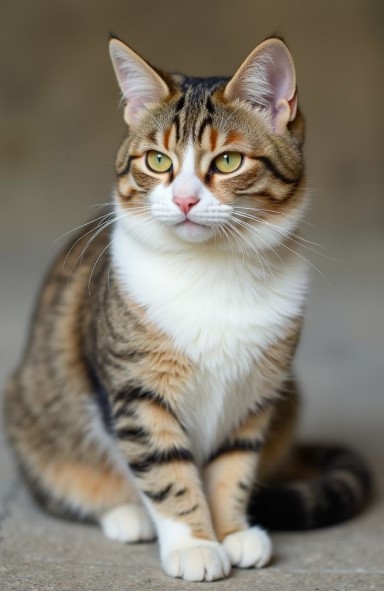
The Complete Guide to the Silver Tabby Cat: Sparkling Contrast and Classic Patterns
The silver tabby cat is one of the most striking and photogenic color-and-pattern combinations in the domestic feline world. Dark tabby markings—black or near-black—sit in sharp contrast against a pale, sparkling silvery-white ground color. The result is a high-contrast, almost luminous coat that catches the light and draws the eye. Combined with the classic forehead “M,” facial markings, and body patterning, the silver tabby has long been a favorite in both show rings and family homes.
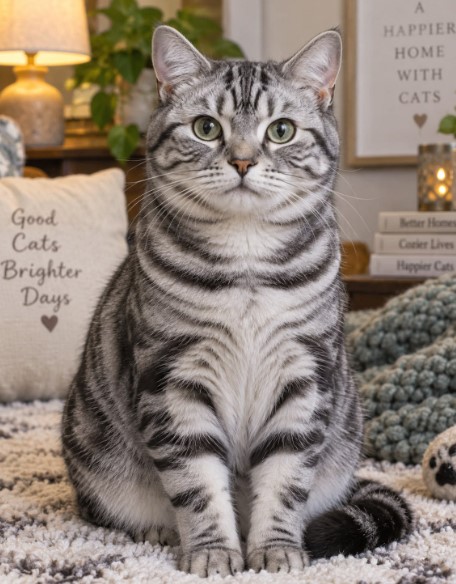
A silver tabby is not a breed. It is a specific genetic expression: the tabby pattern plus the dominant inhibitor (silver) gene that suppresses pigment at the base of the hairs. This combination appears in mixed-breed domestic cats and in many purebreds, most famously the American Shorthair, British Shorthair, Maine Coon, and others. Understanding the genetics, the range of patterns, realistic temperament expectations, and practical care helps owners fully appreciate these beautiful cats.
This detailed guide explores the science behind the silver tabby coat, the different tabby patterns, comparisons with related colors, personality realities, everyday care, health considerations, and advice for living with one. It ends with frequently asked questions and a clear conclusion.
What Is a Silver Tabby Cat?
In cat genetics and registry terminology, a silver tabby has a pale silvery or near-white ground color created by the inhibitor gene, overlaid with dark tabby markings. The inhibitor gene prevents full pigment deposition along much of the hair shaft, leaving the base of each hair white or silvery while the tips and the solid pattern areas remain dark. This produces the characteristic sparkling, high-contrast appearance.
Silver tabbies can occur in any of the standard tabby patterns: mackerel, classic, spotted, or ticked. The most iconic look is the black silver classic or mackerel tabby—bold black swirls or stripes on a clean silver ground—often seen in American Shorthairs and featured in advertising and photography.
Silver is distinct from dilute colors such as blue (grey) tabby. Blue comes from the recessive dilution gene that softens black pigment throughout the hair. Silver comes from the dominant inhibitor gene that removes pigment from the undercoat and hair bases.
The Genetics of Silver Tabby Coloration and Pattern
Several genes work together to create a silver tabby:
- Agouti and tabby patterning – The dominant agouti allele (A) allows banded hairs and visible tabby patterning. Additional genes determine the specific pattern (mackerel, classic, spotted, or ticked).
- Inhibitor (silver) gene – The dominant inhibitor allele (I) suppresses melanin production in the basal portion of the hair. On a tabby cat this turns the ground color silvery-white while leaving the dark pattern intact. On a non-agouti (solid) cat it produces a smoke.
- Wide-band factors – These influence how much of the hair shaft remains pigmented. Greater wide-band expression can produce shaded or tipped (chinchilla/shell) effects in which the tabby pattern becomes softer or restricted mostly to the hair tips.
The inhibitor gene is dominant, so a cat needs only one copy to express silver. Silver can combine with other colors and dilutions, producing blue silver, chocolate silver, lilac silver, red silver (cameo), and cream silver tabbies, as well as silver torbies.
Kittens are typically born with blue eyes that change over the first weeks and months to green, gold, or hazel; green eyes are especially prized in many silver tabby show standards.
The Five Tabby Patterns in Silver
Silver tabbies can display any of the recognized tabby patterns:
- Mackerel (striped): Narrow vertical stripes on a sparkling silver ground. Clean and elegant.
- Classic (blotched or marbled): Broad, swirling patterns, often with a bull’s-eye on the flanks. The high contrast of black on silver makes classic silver tabbies especially dramatic and popular in the show ring.
- Spotted: Stripes broken into spots or rosettes against the pale ground.
- Ticked: Banded hairs creating an overall shimmering effect with minimal body striping (the forehead “M” remains).
- Patched (silver torbie): Silver tabby patterning combined with cream or red patches. Almost always female.
In addition, wide-band expression can produce silver shaded and silver tipped (chinchilla) cats, in which the dark pigment is restricted to the outer portion of the hair, softening or partially obscuring the tabby pattern.
Silver Tabby Compared with Other Tabby Colors
| Feature | Silver Tabby | Blue (Grey) Tabby | Brown (Black) Tabby | Orange (Red) Tabby |
|---|---|---|---|---|
| Main gene | Inhibitor (I) | Dilution (d/d) | Full black + agouti | Orange gene (O) |
| Marking color | Black to dark charcoal | Soft slate to blue-grey | Black to dark brown | Deep to light orange |
| Ground color | Pale silvery white | Muted grey or buff-grey | Warm brown, tawny, golden | Cream to pale orange |
| Overall impression | High-contrast, sparkling | Soft, smoky, cooler tone | Rich, warm, classic “wild” | Bright or soft ginger |
| Hair at root | White or silvery | Grey or banded | Brown or banded | Cream or banded |
Silver tabbies are often described as having a “sparkling” or “glittering” quality that sets them apart from both warm brown tabbies and cooler blue tabbies.
Personality and Temperament
Coat color and pattern do not determine personality. Multiple studies and veterinary observations confirm that individual variation, breed background, early socialization, and environment shape behavior far more than silver, blue, or brown coloration. A 2016 University of California, Davis owner survey found only modest differences in reported behavior across coat colors, with individual personality dominating.
Because silver tabbies appear in many breeds and mixed-breed populations, they display the full range of feline temperaments. Many owners describe their silver tabbies as alert, curious, and affectionate with their families. Some are bold and interactive; others are more reserved. Socialization during the critical early weeks strongly influences adult behavior.
Expectations should always focus on the individual cat rather than color-based stereotypes.
Care for a Silver Tabby Cat
Care requirements are the same as for any domestic cat and depend primarily on coat length, age, activity level, and overall health rather than the silver tabby appearance.
Grooming
Shorthaired silver tabbies usually need weekly brushing to remove loose hair and maintain the sparkling appearance of the coat. Longhaired silver tabbies (common in Maine Coons and some other breeds) benefit from more frequent brushing to prevent mats. The pale ground color can show dirt or oil more readily, so regular grooming helps keep the coat looking its best. Nail trims, ear checks, and dental care remain essential.
Diet and Weight Management
High-quality nutrition appropriate for the cat’s life stage supports overall health and coat quality. Measured portions help prevent obesity. Wet food can aid hydration and urinary tract health.
Exercise and Enrichment
Daily interactive play, climbing opportunities, scratching posts, and puzzle toys meet physical and mental needs. Silver tabbies, like other cats, thrive with routine and environmental enrichment.
Health and Lifespan
The silver tabby pattern and inhibitor gene carry no specific health risks. Common feline concerns—dental disease, obesity, kidney disease in seniors, urinary issues, and parasites—apply equally. Indoor cats typically live 12–16 years or longer with good care; many reach the late teens or beyond. Regular veterinary care forms the foundation of preventive health. Breed-specific risks should be considered if the cat has a known purebred background.
Living Environment
Silver tabbies adapt well to indoor living. Their high-contrast coats are beautiful in the home, and secure indoor or supervised outdoor environments keep them safest.
Silver Tabbies in Purebreds and Mixed Breeds
Silver tabbies are especially well known in:
- American Shorthair (classic silver tabby is iconic)
- British Shorthair
- Maine Coon
- Norwegian Forest Cat
- Siberian
- Persian and Exotic Shorthair (including shaded and chinchilla varieties)
- Domestic shorthair and longhair populations
In mixed-breed cats the combination appears whenever the inhibitor gene and tabby patterning are both present.
Living with a Silver Tabby
These cats suit a wide range of households. Their dramatic, sparkling appearance makes them popular, and their generally adaptable natures mean many thrive as only cats or in multi-pet homes with proper introductions. When choosing a companion, prioritize health, temperament, and lifestyle compatibility over exact shade or pattern intensity.
Frequently Asked Questions About Silver Tabby Cats
What makes a tabby “silver”?
The dominant inhibitor gene suppresses pigment at the base of the hairs, creating a pale silvery-white ground color while leaving the dark tabby markings intact.
Is a silver tabby the same as a grey or blue tabby?
No. Blue/grey tabbies result from the recessive dilution gene that softens black pigment throughout the hair. Silver tabbies result from the inhibitor gene that removes pigment from the hair bases, producing higher contrast and a sparkling effect.
Do silver tabbies have a specific personality?
No. Personality is determined by individual genetics, early socialization, breed background, and environment—not coat color or pattern.
Are silver tabbies rare?
They are less common than brown or blue tabbies in the general mixed-breed population but are well established and relatively common in certain purebreds, especially American and British Shorthairs.
Can silver tabbies be longhaired or shorthaired?
Yes. The color and pattern appear in both coat lengths.
Do silver tabbies shed a lot?
Shedding depends on coat length and season rather than the silver color. Regular brushing manages loose hair and helps maintain the sparkling appearance.
How long do silver tabby cats live?
Typical indoor lifespan is 12–16 years or more with good care. The pattern itself does not affect longevity.
Are there health problems linked to being a silver tabby?
No. Health risks are the same as for other cats of similar background. Focus on standard preventive care.
What is the difference between silver tabby, silver shaded, and chinchilla?
These reflect different degrees of wide-band expression. Silver tabby shows clear patterning on a silver ground. Shaded has pigment restricted to roughly the outer third of the hair. Chinchilla/tipped has pigment only at the very tips, producing a primarily white appearance with delicate tipping.
Are silver tabbies good with children and other pets?
Many are excellent companions when socialized properly. Individual temperament varies, so gradual, supervised introductions are recommended.
Why do some silver tabbies show yellowish “tarnish”?
Incomplete expression of the inhibitor gene or other modifiers can allow warm tones to appear, especially on the muzzle or legs. Show standards often prefer clean, untarnished silver.
Conclusion
The silver tabby cat represents one of the most dramatic and elegant expressions of the classic tabby pattern. The combination of the inhibitor gene and agouti patterning produces a sparkling silvery ground against which dark markings stand out with exceptional clarity. Whether the pattern is bold classic swirls, neat mackerel stripes, or softer shaded tipping, the result is a coat that feels both timeless and eye-catching.
Behind the luminous exterior lies clear genetics and the same range of feline personalities found across domestic cats. Color does not dictate character; care, socialization, and the individual cat do. Providing high-quality nutrition, regular veterinary care, grooming suited to coat length, daily enrichment, and consistent affection gives any silver tabby the foundation for a long, healthy, and contented life.
If you share your home with a silver tabby—or are considering welcoming one—you are living with a particularly striking example of feline beauty. The sparkling ground, the dark markings, and the unique pattern of every individual serve as a daily reminder of the remarkable diversity within the domestic cat. Cherish the cat for who they are, and the silver tabby pattern becomes simply one more reason to celebrate the quiet joy of life with a well-loved companion.