Toy Bernedoodle Puppies: The Complete Guide to the Smallest Bernedoodle
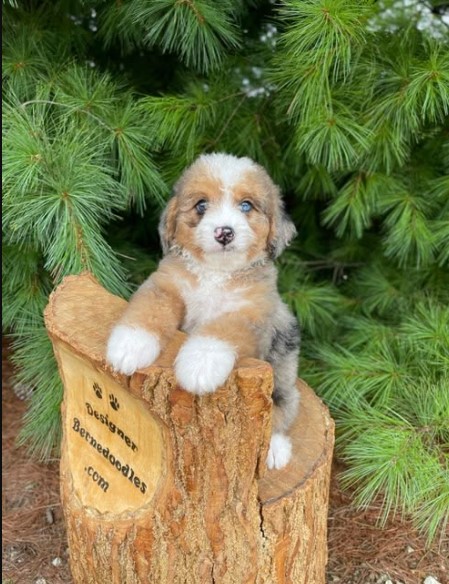
Toy Bernedoodle puppies (also called Tiny or Micro Bernedoodles by some breeders) deliver the beloved personality of the Bernedoodle in a compact, portable package. Combining the gentle, loyal nature of the Bernese Mountain Dog with the intelligence and often lower-shedding coat of the Toy or small Poodle, these little dogs typically mature between 10 and 24 pounds and stand about 12 to 17 inches tall. They have become increasingly popular with apartment dwellers, frequent travelers, seniors, and anyone who wants Bernedoodle charm without the space and strength requirements of a standard-sized dog.
This in-depth guide covers everything you need to know about Toy Bernedoodle puppies—including how they are produced, expected adult size and growth, temperament, appearance, care needs, health considerations, training, costs, pros and cons, and how to choose a responsible source. Whether you are researching your first designer dog or preparing for a new puppy, this article provides practical, realistic information.
Check Also: Pet Lovia
What Is a Toy Bernedoodle?
A Toy Bernedoodle is the smallest size category within the Bernedoodle family. While Standard Bernedoodles come from a Bernese Mountain Dog crossed with a Standard Poodle and Mini Bernedoodles usually involve a Miniature Poodle, Toy Bernedoodles are typically produced by breeding smaller Bernedoodles (often Mini or multi-generational lines) back to Toy Poodles or through carefully selected multi-generational programs aimed at reducing size.
Because achieving consistently small size usually requires multiple generations, many Toy Bernedoodles are multigen rather than simple first-generation (F1) crosses. Labels such as “Toy,” “Tiny,” and “Micro” are not rigidly standardized across breeders. Some use “Toy” for the smallest end of the range (under 15 pounds), while others use the terms interchangeably for dogs in the 10–25 pound range. Always ask for the actual weights and heights of the parents and previous offspring when evaluating a puppy.
Size, Weight, and Growth of Toy Bernedoodle Puppies
Adult Toy Bernedoodles generally fall in these ranges:
- Weight: 10–24 pounds (most commonly 12–20 pounds; some programs target under 15 pounds)
- Height: 12–17 inches at the shoulder
They reach full size faster than larger Bernedoodles—often between 8 and 12 months of age, with the majority of growth completed earlier than in Standards or even many Minis.
Approximate growth progression (individual variation is significant):
- 8 weeks: often 2–5 pounds
- 12 weeks: 4–8 pounds
- 16 weeks: 6–12 pounds
- 6 months: 8–18 pounds
- 8–10 months: approaching adult weight
- Adult: 10–24 pounds
Because these are designer hybrids, puppies from the same litter can vary. A reputable breeder will give you the best estimate based on the specific parents and prior litters from the same lines.
Check Also: Doodle Puppies
Temperament and Personality
Toy Bernedoodles typically inherit the affectionate, people-oriented nature of the Bernese Mountain Dog and the intelligence and playfulness of the Poodle. Most are loving, social, and eager to be involved in family life. They often form strong bonds with their owners and can make excellent companion dogs.
Compared with Standard Bernedoodles, Toys may show a bit more vivacity, alertness, or sensitivity inherited from Toy Poodle lines. Some individuals are more vocal or reactive. Early and ongoing socialization is especially important to help them develop confidence around new people, environments, sounds, and other animals.
They generally do well with older, respectful children and other pets when raised together or carefully introduced. Because of their small size, close supervision is essential around very young children or large, boisterous dogs to prevent accidental injury. Many Toy Bernedoodles thrive as companions for singles, couples, and empty-nesters who can provide consistent attention.
Appearance and Coat
Toy Bernedoodles often carry the classic Bernese-inspired tri-color pattern (black, white, and rust/tan), though bi-color, solid, phantom, and other variations occur. Coats range from loose waves to tight curls. Straighter coats are less common and usually shed more.
No dog is truly 100% hypoallergenic. However, many Toy Bernedoodles—especially those with curlier coats and higher Poodle percentage (such as F1b or multigen)—produce less dander and shed minimally compared with double-coated breeds. Individual allergy reactions vary, so people with sensitivities should spend time with the specific dog or similar dogs before committing.
Ideal Homes for Toy Bernedoodle Puppies
Toy Bernedoodles suit a wide range of living situations:
- Apartments and smaller homes
- Urban environments
- Households that travel frequently (many fit in airline-approved cabin carriers when fully grown)
- Seniors or less physically active owners who still want an interactive companion
- First-time dog owners who prefer a manageable size
They still need daily interaction, training, and mental stimulation. A Toy Bernedoodle is not a low-maintenance accessory—it is a full dog with emotional and physical needs.
Caring for a Toy Bernedoodle Puppy
Nutrition and Feeding
Small puppies have higher metabolic rates and can be prone to hypoglycemia (low blood sugar), especially in the early weeks and months. Feed high-quality puppy food in smaller, more frequent meals—often three to four times per day initially. Transition gradually to adult food as recommended by your veterinarian. Monitor body condition closely; even small dogs can become overweight, which stresses joints and overall health.
Exercise
Toys generally need less total exercise than Standards—typically 20–45 minutes of daily activity split into walks and play sessions. Mental exercise (puzzle toys, training games, scent work) is equally important. Avoid over-exercising young puppies and protect them from jumps off furniture that could injure developing joints or bones.
Grooming
Despite their small size, Toy Bernedoodles usually have the same high-maintenance coats as their larger cousins—wavy to curly and prone to matting. Brush several times per week (daily during coat changes), clean ears regularly, trim nails, and plan for professional grooming every 6–8 weeks. The cost and time commitment for grooming remain significant even for a small dog.
Training and Socialization
Start early with positive reinforcement. Toy Bernedoodles are intelligent and often eager to please, but some inherit a stubborn or independent streak. Focus on house-training, basic manners, leash walking, and preventing “small dog syndrome” (where owners inadvertently allow pushy behavior because the dog is tiny and cute). Early, positive exposure to varied people, sounds, surfaces, and gentle dogs builds confidence.
House-Training
Small bladders mean more frequent potty breaks, especially for young puppies. Consistency, crate training, and a regular schedule are key. Many Toys can become reliably house-trained, but accidents are more common during the early months.
Health Considerations Specific to Toy Bernedoodles
Smaller Bernedoodles often enjoy longer average lifespans—frequently estimated at 14–18 years—compared with Standard Bernedoodles. However, they can face health issues more common in small dogs as well as some inherited from both parent lines:
- Patellar luxation (kneecap dislocation)
- Dental crowding and periodontal disease (small mouths)
- Hypoglycemia risk in young puppies
- Tracheal sensitivity (use harnesses rather than collars for walks)
- Eye conditions that can appear in Poodle lines
- Allergies and ear infections related to coat and ear conformation
- Possible hip issues (less common than in large dogs but still possible)
Choose breeders who health-test parents (hips and elbows where applicable, eyes, patellas, cardiac clearances, and relevant DNA tests). Maintain a lean weight, provide good dental care, and schedule regular veterinary checkups.
Cost of Toy Bernedoodle Puppies
Toy and Tiny Bernedoodles often command premium prices because producing consistently small, healthy dogs requires multi-generational breeding programs. In recent market data, well-bred Toy Bernedoodle puppies commonly range from $3,500 to $6,000 or higher. Factors include coat color and pattern (tri-color remains popular), generation, health testing, location, and the level of early socialization provided by the breeder.
Ongoing costs include quality food (less volume than a large dog but still premium), professional grooming, routine and preventive veterinary care, training, and supplies. First-year expenses beyond the purchase price can still reach several thousand dollars.
Adoption of Toy Bernedoodles is less common than for larger mixes, but Doodle-specific and small-dog rescues occasionally have them. Adoption fees are typically much lower.
Pros and Cons of Toy Bernedoodle Puppies
Pros
- Compact size suitable for apartments and travel
- Often longer lifespan than larger Bernedoodles
- Affectionate, intelligent, and people-oriented
- Generally lower exercise requirements
- Portable and easier to handle for many owners
- Lower food costs than Standards
Cons
- Higher purchase price in many cases
- Still high grooming demands and associated costs
- More fragile—greater risk of injury from falls, rough play, or larger dogs
- Potential small-dog health issues (patellas, teeth, hypoglycemia in puppies)
- Can be more sensitive or vocal
- Risk of small-dog syndrome without consistent training
- Less suitable for homes with very young, unsupervised children
Finding a Responsible Source for a Toy Bernedoodle Puppy
Because size reduction often involves multiple generations, transparency is essential. Look for breeders who:
- Provide health testing documentation on the parents
- Share actual weights and heights of previous offspring
- Raise puppies with early socialization and enrichment
- Offer a written health contract and lifelong support
- Are honest about variation and do not guarantee exact adult weights
Visit in person when possible, or request detailed video updates. Be cautious of sellers offering “teacup” or extremely small sizes at unusually low prices, as these can signal poor breeding practices.
Life with a Toy Bernedoodle Puppy: What to Expect
The puppy stage is energetic, curious, and sometimes chaotic. Toy Bernedoodle puppies are soft, playful, and quick to bond. They need consistent routines for feeding, potty breaks, sleep, and training. Adolescence can bring testing of boundaries, so continued positive training and enrichment are important. With good guidance, most mature into affectionate, adaptable adult companions.
Frequently Asked Questions
How big do Toy Bernedoodle puppies get?
Most mature between 10 and 24 pounds and 12–17 inches tall. Ask about the specific parents for the best prediction.
Are Toy Bernedoodles good for apartments?
Yes. Their size makes them well-suited to apartment living provided they receive daily walks, play, training, and companionship.
Do Toy Bernedoodles shed?
Shedding is usually low to minimal, especially in curlier-coated dogs, but no dog is completely non-shedding. Regular grooming is still required to prevent mats.
Are Toy Bernedoodles hypoallergenic?
No dog is fully hypoallergenic. Many people with mild allergies tolerate curlier Toy Bernedoodles better than heavy-shedding breeds, but individual results vary. Spend time with the dog first if allergies are a concern.
How long do Toy Bernedoodles live?
Often 14–18 years with good care, generally longer on average than Standard Bernedoodles.
Are Toy Bernedoodles good with kids?
They can be wonderful with older, gentle children. Their small size makes them more vulnerable around toddlers or rough play, so supervision is important.
How much exercise does a Toy Bernedoodle need?
Typically 20–45 minutes of daily activity plus mental stimulation. Adjust for the individual dog’s energy level and age.
Do Toy Bernedoodles bark a lot?
Some are more alert and vocal than larger Bernedoodles due to Toy Poodle influence. Training and enrichment help manage excessive barking.
What health problems are common in Toy Bernedoodles?
Patellar luxation, dental issues, potential eye conditions, ear infections, and hypoglycemia risk in very young puppies are among the more frequently noted concerns. Responsible breeding and preventive care reduce risks.
How much does a Toy Bernedoodle puppy cost?
Expect $3,500–$6,000+ from many reputable breeders, sometimes higher for specific colors or proven lines. Extremely low prices warrant extra caution.
Are Toy Bernedoodles easy to train?
They are intelligent and usually respond well to positive reinforcement. Consistency and early training yield the best results. Some individuals show more independence or sensitivity.
Conclusion
Toy Bernedoodle puppies bring the affectionate, intelligent spirit of the Bernedoodle into a small, portable body that fits modern lifestyles remarkably well. They can thrive in apartments, accompany owners on travel, and provide years of devoted companionship—often with a longer lifespan than their larger relatives.
Success with a Toy Bernedoodle depends on understanding both the advantages and the responsibilities. Their coats still demand consistent grooming. Their small stature requires protection from injury and attention to dental and orthopedic health. Their social nature means they need time, training, and inclusion in family life. When these needs are met through thoughtful breeding selection, early socialization, positive training, and lifelong care, a Toy Bernedoodle can be an exceptionally rewarding companion.
If you are drawn to the idea of Bernese loyalty and Poodle smarts in a compact package, take the time to research breeders carefully, prepare your home, and commit to the ongoing care these little dogs deserve. The result is often a loyal, loving friend who fills your home—and your lap—with personality far larger than their size.