Maine Coon: The Complete Guide to the Gentle Giant of the Cat World
The Maine Coon is one of the most beloved and recognizable cat breeds in the world. Known as the “gentle giant,” this large, longhaired cat combines impressive size with an affectionate, dog-like personality that endears it to families and individuals alike. Native to the northeastern United States, the Maine Coon has a rich history as a hardy working cat and a modern reputation as a loyal, playful companion. This comprehensive 3000+ word article explores every aspect of the Maine Coon breed: its origins and development, physical characteristics, temperament, care requirements, grooming needs, health considerations, training and enrichment, suitability for different households, choosing a kitten or adult, and practical ownership advice. Whether you are considering adding a Maine Coon to your home or simply want to understand this magnificent breed more deeply, the information below offers a thorough and balanced resource.
Check Also: Pet Lovia
History and Origins of the Maine Coon
The Maine Coon is widely regarded as a natural breed that developed in the state of Maine. Unlike many modern breeds created through deliberate crossbreeding programs, Maine Coons evolved over time through natural selection in a harsh climate. One popular theory suggests that longhaired cats brought by seafarers—possibly including cats of Norwegian Forest Cat or other European longhaired ancestry—mated with local short-haired domestic cats. The resulting offspring that survived Maine’s cold winters and rugged conditions carried genes for larger size, dense water-resistant coats, and tufted ears.
By the late 19th century, Maine Coons were well established as skilled mousers on farms and ships. They gained early recognition at cat shows; a Maine Coon named Cosie won the national championship at the 1895 Madison Square Garden show. Interest in the breed declined somewhat with the rise of Persian cats, but dedicated breeders revived and standardized the Maine Coon in the mid-20th century. The Cat Fanciers’ Association (CFA) accepted the breed for championship status in 1976, and it has since become one of the most popular cat breeds in North America and beyond.
Maine Coons carry a certain mystique. Folklore once claimed they were the result of matings between cats and raccoons (biologically impossible), which contributed to the “Coon” part of their name. Today they are celebrated as America’s native longhaired cat and a symbol of rugged yet gentle companionship.
Check Also: Rare Kittens
Physical Characteristics
Maine Coons are the largest domesticated cat breed. Males commonly weigh 13–18 pounds and can reach 20 pounds or more; females typically range from 8–12 pounds, though larger individuals exist. They mature slowly, often not reaching full size and coat development until 3–5 years of age.
Distinctive features include:
- A rectangular, muscular body with a broad chest
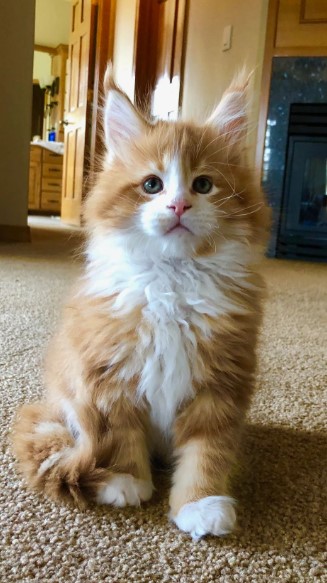
- Large, well-tufted ears, often with lynx-like tips
- Big, expressive eyes that can be green, gold, or copper (blue or odd-eyed in white cats)
- A long, bushy, raccoon-like tail that can reach 14 inches or more
- A dense, water-resistant double coat that is longer on the stomach, britches, and tail
- Large, round, tufted paws that act like natural snowshoes
The coat comes in many colors and patterns, including solid, tabby, tortoiseshell, and bi-color, with or without white. Brown tabby is especially classic and common. The overall impression is of a powerful yet elegant cat built for cold weather and outdoor activity, even though most modern Maine Coons live indoors.
Temperament and Personality
Maine Coons are famous for their friendly, outgoing, and sociable natures. They are often described as “dog-like” because many enjoy following their people from room to room, greeting guests, playing fetch, and learning simple tricks. Key personality traits include:
- Affectionate without being overly demanding
- Playful and curious well into adulthood
- Intelligent and trainable
- Generally good with children and other pets when properly socialized
- Vocal in a soft chirping or trilling manner rather than loud meowing
- Patient and tolerant
They form strong bonds with their families and prefer to be involved in household activities. While they appreciate companionship, most are not constant lap cats; they often prefer to sit nearby or lean against their person. Their gentle disposition makes them excellent family cats, though their size and playful energy mean supervision is wise around very small children or fragile belongings.
Maine Coons tend to adapt well to multi-cat homes and can coexist peacefully with dogs that respect feline boundaries. Early socialization helps ensure confidence and good manners.
Care Requirements
Grooming
The Maine Coon’s dense coat requires regular maintenance. Brushing two to three times per week (more during seasonal shedding) helps prevent mats, particularly around the ruff, armpits, and rear. Many owners use a wide-toothed comb or slicker brush. Baths are needed only occasionally. Regular nail trims, ear checks, and dental care complete the grooming routine. Starting these habits in kittenhood makes them easier to maintain.
Diet and Nutrition
High-quality cat food appropriate for age and activity level supports their large frames and coat health. Some Maine Coons do well on a mix of wet and dry food. Portion control is important to prevent obesity, which stresses joints. Fresh water should always be available; some cats prefer running water from fountains.
Exercise and Enrichment
Despite their size, Maine Coons are playful and benefit from daily interactive play sessions. Feather wands, puzzle feeders, climbing trees, and window perches help satisfy their hunting instincts and keep them mentally stimulated. Vertical space is especially valuable. Many enjoy learning tricks or walking on a harness with proper training.
Living Environment
Maine Coons adapt to both houses and apartments as long as they have climbing opportunities, scratching posts, and human interaction. They are primarily indoor cats in most modern homes for safety reasons, though their heritage makes them curious about the outdoors. Secure catios or supervised outdoor time can provide enrichment.
Health Considerations
Maine Coons are generally robust, but like all purebred cats they have certain predispositions. Responsible breeders screen for:
- Hypertrophic cardiomyopathy (HCM), a heart condition
- Hip dysplasia
- Spinal muscular atrophy (SMA)
- Polycystic kidney disease (PKD) in some lines
- Pyruvate kinase deficiency
Regular veterinary check-ups, dental care, weight management, and early detection improve outcomes. Average lifespan is typically 12–15 years, with many living longer when well cared for. Because of their size, anesthesia and certain medical procedures require experienced veterinary handling.
Training and Behavior
Maine Coons respond well to positive reinforcement. Clicker training can teach them to come when called, sit, give a paw, or walk on a leash. They are intelligent problem-solvers, so providing puzzle toys and rotating enrichment prevents boredom. Scratching posts and horizontal/vertical scratching surfaces protect furniture. Most can be litter-trained easily, though large litter boxes suit their size better.
Suitability for Different Households
Maine Coons thrive in homes that can accommodate their size and desire for interaction. They are excellent for families, couples, and individuals who want an engaging, affectionate companion. Their patient nature often works well with children, and many get along with respectful dogs. First-time cat owners can succeed with a Maine Coon if they commit to grooming, enrichment, and regular veterinary care. Households away for very long hours may want to consider a pair of cats for mutual company.
Choosing a Maine Coon: Breeder or Adoption
Reputable breeders health-test breeding cats, raise kittens in stimulating home environments, and provide contracts with health guarantees. They should allow questions, share test results, and prioritize temperament and health over extreme size or rare colors. Visiting the cattery or meeting the parents when possible is ideal.
Adoption is also a wonderful option. Many adult Maine Coons and Maine Coon mixes enter rescues and can make outstanding companions with known personalities. Breed-specific rescues occasionally have purebreds available.
Daily Life with a Maine Coon
Living with a Maine Coon often means sharing space with a large, interactive presence. Mornings may begin with a chirp and a request for breakfast or play. These cats frequently join their people in various rooms, supervise daily activities, and invent games. Their soft trills and playful antics bring ongoing entertainment. Seasonal coat blowing requires extra brushing, and their size means they occupy more space on the bed or couch. In return, owners receive loyalty, gentle affection, and a companion that feels like a true member of the family.
FAQs
1. How big do Maine Coons get?
Males commonly 13–18+ pounds, females 8–12 pounds, with full size reached around 3–5 years.
2. Do Maine Coons get along with children and dogs?
Yes, most are patient and social when properly introduced and socialized.
3. How much grooming do they need?
Brushing several times a week, more during shedding seasons.
4. Are Maine Coons hypoallergenic?
No. They produce typical levels of Fel d 1 allergen.
5. What health tests should breeders perform?
Screening for HCM, hip dysplasia, SMA, and other relevant conditions.
6. How long do Maine Coons live?
Typically 12–15 years or longer with good care.
7. Are Maine Coons vocal?
They tend to chirp and trill rather than meow loudly.
8. Do they need a lot of space?
They adapt to apartments if given climbing opportunities and enrichment, but appreciate room to move.
9. Are Maine Coons good for first-time owners?
Yes, if the owner is prepared for grooming and providing interaction.
10. Should I get a kitten or an adult?
Both can be excellent. Adults often have established personalities and may require less intensive training.
Conclusion
The Maine Coon stands out as a remarkable blend of impressive size, striking appearance, and gentle, engaging personality. From its roots as a hardy New England working cat to its current status as a beloved family companion, this breed continues to win hearts with its dog-like loyalty and playful spirit. Successful ownership requires commitment to regular grooming, enrichment, health monitoring, and companionship, but the rewards are substantial. A well-cared-for Maine Coon offers years of affection, entertainment, and quiet devotion. By choosing responsibly—whether from a health-focused breeder or through adoption—and providing consistent care, you can enjoy the unique pleasure of sharing your life with one of the cat world’s true gentle giants. The Maine Coon proves that big cats can have even bigger hearts.