The Complete Guide to the Blue Tabby Cat: Soft Greys, Classic Patterns, and Timeless Appeal
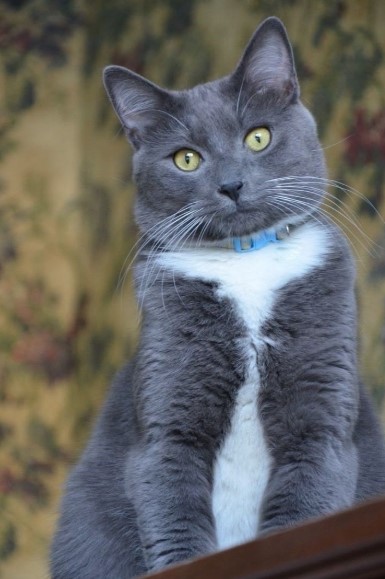
The blue tabby cat—also widely known as the grey or gray tabby—is one of the most elegant and recognizable color-and-pattern combinations in the feline world. Soft slate or blue-grey markings layered over a lighter grey or buff ground create a cool, smoky appearance that many people find refined and distinctive. Combined with the classic tabby “M” on the forehead and the variety of stripe, swirl, or spot patterns, the blue tabby stands out as both familiar and sophisticated.
A blue tabby is not a breed. It is a specific expression of color (dilute black, called “blue” in the cat fancy) paired with the tabby pattern. This combination appears frequently in mixed-breed domestic shorthairs and longhairs as well as in purebred cats such as the British Shorthair, Maine Coon, American Shorthair, Norwegian Forest Cat, and others. Understanding the genetics, the different tabby patterns, realistic temperament expectations, and practical care helps owners fully appreciate these beautiful cats.
This detailed guide covers the science behind the blue tabby coat, the five main tabby patterns, comparisons with related colors, personality realities, everyday care, health considerations, and advice for living with one. It concludes with frequently asked questions and a clear summary.
What Is a Blue Tabby Cat?
In cat registry terminology, “blue” refers to the dilute form of black pigment. When a cat inherits two copies of the recessive dilution gene, black becomes a soft grey or slate blue. When this dilute color is combined with the genes that produce tabby patterning, the result is a blue tabby.
Everyday language often uses “grey tabby” or “gray tabby” for the same look. The markings range from cool medium grey to deeper charcoal-blue tones on a lighter grey or slightly buff ground. The classic forehead “M,” eye liner markings, and body patterning remain clearly visible, though the overall contrast is softer than in a classic brown (black) tabby.
Blue tabbies occur in both males and females in roughly equal numbers, unlike orange tabbies, which are predominantly male.
The Genetics of Blue Tabby Coloration and Pattern
Two main genetic systems create the blue tabby appearance:
- Tabby patterning – The dominant agouti gene (A) allows the tabby pattern to show by producing banded (ticked) hairs in the ground color. Additional genes determine whether the pattern appears as mackerel (striped), classic (blotched), spotted, or ticked. Cats with two recessive non-agouti alleles (a/a) appear solid blue instead of tabby.
- Dilution – The recessive dilution gene (d/d, involving the MLPH gene) causes black pigment to be deposited unevenly, producing the soft blue-grey color instead of dense black. A cat must inherit the dilution allele from both parents to express blue.
Other modifiers can influence shade intensity, contrast, and the presence of white spotting. Silver tabbies are different: they carry an inhibitor gene that suppresses pigment at the hair roots, creating a white or silvery undercoat with dark markings and higher contrast.
Kittens are born with blue eyes that typically change over the first weeks and months to gold, green, hazel, or copper.
The Five Tabby Patterns in Blue
Blue tabbies can display any of the recognized tabby patterns:
- Mackerel (striped): Narrow vertical stripes running down the sides from a dark spine line. Often described as “tiger-striped.” This is the most common pattern and closest to the ancestral wild-type look.
- Classic (blotched or marbled): Broad, swirling patterns on the flanks, frequently forming a bull’s-eye or oyster-shell shape. The markings are denser and more dramatic.
- Spotted: Stripes broken into spots or rosettes of varying size. Seen in some purebreds and many mixed cats.
- Ticked: Individual hairs banded with color, creating a shimmering or salt-and-pepper effect with minimal body striping (the forehead “M” remains). Classic in breeds such as the Abyssinian.
- Patched (torbie): Blue tabby patterning combined with patches of cream, producing a dilute tortoiseshell-tabby effect. These cats are almost always female.
Every blue tabby’s pattern is unique. Even siblings show individual variations in stripe width, swirl shape, and clarity of markings.
Blue Tabby Compared with Other Tabby Colors
| Feature | Blue (Grey) Tabby | Brown (Black) Tabby | Orange (Red) Tabby | Silver Tabby |
|---|---|---|---|---|
| Main pigment | Diluted black (blue) | Full black (undiluted) | Pheomelanin (red/orange) | Black + inhibitor gene |
| Marking color | Soft slate to blue-grey | Black to dark brown | Deep to light orange | Jet black to charcoal |
| Ground color | Muted grey or buff-grey | Warm brown, tawny, golden | Cream to pale orange | Pale silvery white |
| Overall impression | Soft, smoky, cooler tone | Rich, warm, classic “wild” | Bright or soft ginger | High-contrast, sparkling |
| Sex ratio | Roughly 50/50 | Roughly 50/50 | About 80% male | Roughly 50/50 |
These distinctions help when accurately describing or identifying a cat.
Personality and Temperament
Coat color and pattern do not determine personality. Scientific studies and veterinary observations consistently show that individual variation, breed background (if any), early socialization, and environment shape behavior far more than whether a cat is blue, brown, or orange. A well-known 2016 University of California, Davis owner survey found only modest differences in reported behavior across coat colors, with individual personality dominating.
Because blue tabbies are common among domestic shorthairs and longhairs, they display the full range of feline temperaments. Many owners describe their blue tabbies as curious, observant, moderately playful, and affectionate with their families once trust is established. Some are bold explorers; others are more reserved. Socialization during the critical early weeks strongly influences how comfortable a cat becomes with people, other animals, and new situations.
Expectations should always center on the individual cat rather than color-based stereotypes.
Care for a Blue Tabby Cat
Care needs are the same as for any domestic cat and depend primarily on coat length, age, activity level, and overall health rather than the blue tabby appearance.
Grooming
Shorthaired blue tabbies typically need weekly brushing to remove loose hair and keep the coat healthy. Longhaired individuals (for example, Maine Coons, Norwegian Forest Cats, or domestic longhairs) benefit from brushing several times a week to prevent mats. The dilute coat may show dirt or oil more readily on lighter areas, so regular grooming helps maintain a clean appearance. Nail trims, ear checks, and dental care are essential for long-term health.
Diet and Weight Management
High-quality nutrition appropriate for the cat’s life stage is important. Many cats are food-motivated; measured portions and limited treats help prevent obesity, one of the most common health issues in indoor cats. Wet food can support hydration and urinary tract health. Fresh water should always be available.
Exercise and Enrichment
Daily interactive play sessions, climbing structures, scratching posts, and puzzle toys meet both physical and mental needs. Blue tabbies, like other cats, thrive with routine and opportunities to express natural behaviors such as stalking, pouncing, and exploring.
Health and Lifespan
The blue tabby pattern and dilute color carry no specific health risks. Common concerns for all cats include dental disease, obesity, kidney disease in older cats, urinary issues, and parasites. Indoor cats typically live 12–16 years or longer with good care; many reach the late teens or beyond. Regular veterinary examinations, vaccinations, parasite prevention, and dental attention form the foundation of preventive care. If the cat has a known purebred background, be aware of any breed-related predispositions (for example, hypertrophic cardiomyopathy in some British Shorthair or Maine Coon lines).
Living Environment
Blue tabbies adapt well to indoor living. Their cool-toned camouflage coloration evolved for hunting, but free outdoor access increases risks from traffic, predators, disease, and other hazards. Many owners provide secure outdoor enclosures or supervised outdoor time for enrichment.
Blue Tabbies in Purebreds and Mixed Breeds
Blue/grey tabbies appear frequently in:
- British Shorthair (blue and blue tabby are iconic)
- Maine Coon
- American Shorthair
- Norwegian Forest Cat
- Siberian
- Domestic shorthair and longhair populations worldwide
In mixed-breed cats the combination is especially common because both the tabby pattern and the dilution gene are widespread in the feline gene pool.
Living with a Blue Tabby
These cats suit a wide range of households. Their distinctive soft grey markings make them popular, and their generally adaptable natures mean many thrive as only cats or in multi-pet homes with proper introductions. When choosing a companion, prioritize health, temperament, and lifestyle match over exact shade or pattern intensity.
Frequently Asked Questions About Blue Tabby Cats
Is a blue tabby the same as a grey tabby?
Yes. “Blue” is the term used by cat registries and breeders for the dilute grey color. “Grey” or “gray” is the common everyday description.
Do blue tabbies have a specific personality?
No. Personality is shaped by individual genetics, early socialization, breed background, and environment—not coat color or pattern.
Are blue tabbies rare?
No. They are common among domestic cats.
What is the difference between a blue tabby and a silver tabby?
Blue (grey) tabbies have diluted black pigment throughout the hair. Silver tabbies have an inhibitor gene that creates a white or silvery undercoat with dark markings, producing higher contrast.
Do all blue tabbies have the “M” on their forehead?
Virtually all true tabbies display the characteristic “M” marking, though its clarity can vary with pattern and individual genetics.
How long do blue tabby cats live?
Typical indoor lifespan is 12–16 years or more with proper care. The pattern itself does not influence longevity.
Are there health problems linked to being a blue tabby?
No. Health risks are the same as for other cats of similar background. Focus on standard preventive care.
Can blue tabbies be longhaired or shorthaired?
Yes. The color and pattern appear in both coat lengths.
Do blue tabbies shed a lot?
Shedding depends on coat length, season, and individual factors rather than the blue color. Regular brushing manages loose hair effectively.
Are blue tabbies good with children and other pets?
Many are excellent companions when socialized properly. Individual temperament varies, so gradual, supervised introductions are recommended.
Why do some blue tabbies look lighter or darker than others?
Shade intensity varies with genetics and modifiers. Some appear soft powdery grey; others show deeper slate or charcoal tones while remaining within the blue range.
Conclusion
The blue tabby cat combines one of the most recognizable patterns in the feline world—the tabby—with the soft, cool elegance of the dilute blue color. Whether the markings form neat mackerel stripes, bold classic swirls, or subtle ticking, the result is a coat that feels both familiar and refined.
Behind the beautiful exterior lies clear genetics: the agouti gene that reveals the tabby pattern and the dilution gene that softens black to blue-grey. These cats appear in countless mixed-breed households and in many purebreds, bringing the full spectrum of feline personalities. Color does not dictate character; care, socialization, and the individual cat do.
Providing high-quality nutrition, regular veterinary care, grooming appropriate to coat length, daily enrichment, and consistent affection gives any blue tabby the best chance at a long, healthy, and contented life. In return, owners often enjoy a companion whose striking yet soft appearance is matched by the quiet rewards of everyday life with a well-loved cat.
If you share your home with a blue tabby—or are considering welcoming one—you are living with a classic expression of feline beauty. The soft grey stripes, the forehead “M,” and the unique pattern of every individual serve as a daily reminder that even the most common combinations can feel endlessly special. Cherish the cat for who they are, and the blue tabby pattern becomes simply one more reason to appreciate the remarkable diversity of the domestic cat.