Coonhound Breeds: The Complete Guide to America’s Scent-Tracking Specialists
Coonhounds are a group of rugged, vocal, and highly specialized scenthounds developed in the United States primarily for hunting raccoons and other game. Known for their powerful noses, endurance, distinctive baying voices, and determination, these dogs have played an important role in American hunting tradition for generations. While they remain working dogs at heart, many Coonhounds also serve as loyal family companions when given proper outlets for their energy and instincts. This comprehensive 3000+ word article explores the major Coonhound breeds, their shared history and characteristics, detailed breed profiles, temperament, care requirements, training challenges, health considerations, suitability as pets, and practical ownership advice. Whether you are a hunter considering a working partner or a potential owner drawn to these striking hounds, this guide provides in-depth, balanced information.
Check Also: Pet Lovia
History and Origins of Coonhound Breeds
Coonhounds trace their roots to the scent hounds brought to North America by European settlers, particularly English Foxhounds, Bloodhounds, and other trailing breeds. American hunters needed dogs capable of working at night in dense woods, following cold or hot trails over long distances, and “treeing” game—keeping a raccoon or similar animal in a tree while baying to alert the hunter. Through selective breeding in the 18th and 19th centuries, distinct types emerged that excelled at this specialized work.
The United Kennel Club (UKC) has long recognized Coonhounds and remains a primary registry for working lines. The American Kennel Club (AKC) has also granted recognition to several Coonhound breeds over time. These dogs were developed for function first: stamina, nose power, voice, and the courage to face tough terrain and wildlife. Today they continue to compete in coonhound trials, night hunts, and water races, while some lines are bred more for companionship.
Check Also: All Dog Breeds
General Characteristics of Coonhounds
Most Coonhounds share these traits:
- Strong scenting ability and independent trailing style
- Loud, distinctive bay or bawl that carries over long distances
- High energy and endurance
- Short, dense, weather-resistant coats
- Medium to large size with athletic builds
- Affectionate and loyal with their families once bonded
- Strong prey drive and tendency to follow their noses
They are typically intelligent yet independent, which can make off-leash reliability challenging. Their vocal nature and exercise needs mean they are best suited to experienced owners who understand hound behavior and can provide secure containment and regular work or vigorous activity.
Major Coonhound Breeds
Black and Tan Coonhound
One of the oldest and most recognizable Coonhound breeds, the Black and Tan descends from Bloodhound and Foxhound crosses. It features a sleek black coat with rich tan markings on the muzzle, legs, and eyebrows, long pendulous ears, and a powerful build. Males typically stand 25–27 inches and weigh 65–105 pounds. Known for a deep, booming voice and cold-nosed trailing ability, Black and Tans are determined hunters. As companions they are gentle, friendly, and good with families, though they need substantial exercise and mental stimulation. They can be somewhat reserved with strangers.
Redbone Coonhound
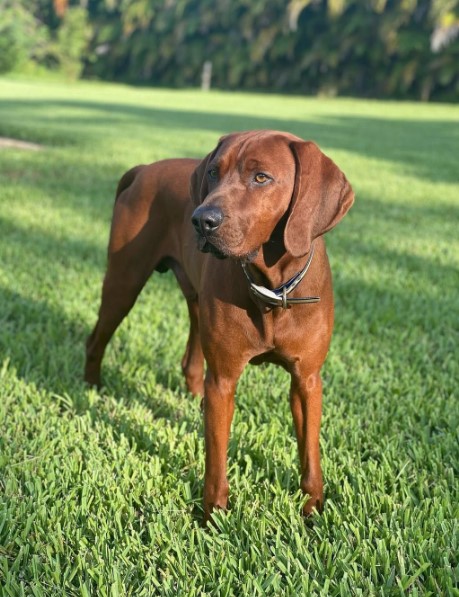
Famous for its solid, rich red coat, the Redbone is athletic, flashy, and versatile. Developed in the South, it is known for speed, agility, and a hot nose. Size is typically 21–27 inches and 45–70 pounds. Redbones are often more people-oriented than some other Coonhounds and adapt relatively well to family life when exercised properly. They retain a strong hunting instinct and distinctive voice. Their striking color and eager personality have helped them gain popularity both in the field and as companions.
Bluetick Coonhound
Named for its dark blue mottled coat with black spots (ticking), the Bluetick is a cold-nosed specialist prized for its methodical trailing style. It has a muscular build, long ears, and a deep bawl mouth. Height ranges from 21–27 inches, with weight usually 45–80 pounds. Blueticks are intelligent, vocal, and determined. They form strong bonds with their owners and can be affectionate house dogs, but their energy and scent drive require committed outlets. They are known for endurance on long trails.
English Coonhound (Redtick Coonhound)
Also called the Redtick, this breed displays a red-and-white ticked or tri-colored coat. It is energetic, fast, and versatile in the field. English Coonhounds typically stand 21–27 inches and weigh 40–65 pounds. They are known for a wide range of voice styles and a hot-nosed, aggressive trailing style. As pets they are loyal and good-natured with family, though their high drive and vocal tendencies demand experienced handling and secure fencing.
Treeing Walker Coonhound
Often considered one of the most popular modern Coonhounds, the Treeing Walker is a hot-nosed, competitive, and stylish hunter. It usually has a tricolor coat (black, white, and tan) and an athletic, lean build. Height is typically 20–27 inches, weight 50–70 pounds. Treeing Walkers are known for speed, agility, and a clear, carrying voice. They are intelligent and can make devoted companions, but they need vigorous daily exercise and mental challenges. Their competitive nature shines in trials.
Plott Hound
Although sometimes categorized separately, the Plott is frequently grouped with Coonhounds and is the only major Coonhound of non-English foundation (German Hanoverian Schweisshund ancestry). Plotts have a distinctive brindle coat and are known for courage, stamina, and versatility on both raccoon and larger game. They stand 20–25 inches and weigh 40–75 pounds. Plotts are loyal, determined, and often more serious in temperament. They bond closely with their people and require firm, consistent training and plenty of activity.
Other related or rarer types include the American Leopard Hound and various regional strains, but the six listed above represent the core recognized Coonhound breeds.
Temperament and Behavior
Coonhounds are typically friendly, even-tempered, and affectionate with their families. Many are good with children when raised together. They can be reserved or aloof with strangers. Their strongest behavioral traits stem from their breeding: a powerful instinct to follow scent, a tendency to bay or bark when excited or on trail, and an independent problem-solving style. They are not usually aggressive toward people, but their prey drive can make them unreliable around small animals unless carefully managed.
Because they were developed to work at a distance from the hunter, they can appear stubborn. Training requires patience, consistency, and motivation that works with their instincts rather than against them. Early socialization helps produce a confident, well-adjusted adult.
Care Requirements
Exercise and Mental Stimulation
This is the most critical aspect of Coonhound ownership. These dogs need substantial daily exercise—long walks, runs, hikes, or structured play—and opportunities to use their noses. Without adequate outlets they may become bored, vocal, or destructive. Many excel at scent work, tracking, or barn hunt activities that satisfy their instincts in non-hunting homes.
Grooming
Short coats are low-maintenance. Weekly brushing controls shedding, and ears should be checked regularly because long, pendulous ears can trap moisture and debris. Occasional baths, nail trims, and dental care complete the routine.
Training
Start early with basic obedience, leash manners, and recall. Because scent can override training, many Coonhounds are best kept on leash or in securely fenced areas. Positive reinforcement, high-value rewards, and short sessions work better than harsh methods. Crate training and alone-time conditioning help manage their social nature.
Diet and Health Maintenance
High-quality food appropriate for age and activity level supports their energetic lifestyle. Weight management is important for joint health. Regular veterinary care, including ear cleaning and parasite prevention, is essential.
Living Environment
A securely fenced yard is highly recommended. Coonhounds can jump or dig if motivated by scent. They adapt to indoor living when exercised properly but do best with access to outdoor space. Their voice carries, so close neighbors or noise restrictions can be a concern.
Health Considerations
Coonhounds are generally hardy working dogs, but potential issues include:
- Hip and elbow dysplasia
- Ear infections
- Eye conditions in some lines
- Bloat (gastric dilatation-volvulus) risk in deeper-chested individuals
- Obesity if under-exercised
Responsible breeders screen for orthopedic and eye issues. Average lifespan is typically 11–13 years or longer with good care.
Suitability as Pets
Coonhounds can make excellent companions for active, experienced owners who appreciate hound traits and can provide exercise, training, and secure containment. They are less ideal for first-time owners, apartment dwellers without extensive exercise plans, or households seeking a quiet, highly obedient off-leash dog. Hunting homes or those involved in scent sports often provide the best match. When their needs are met, Coonhounds reward their families with loyalty, affection, and entertaining personalities.
Choosing a Coonhound
Decide whether you want a working line or a companion-bred dog. Meet adult dogs when possible. Reputable breeders health-test and raise puppies with socialization. Rescue organizations frequently have adult Coonhounds needing homes; many adapt well once their exercise needs are understood.
FAQs
1. What are the main Coonhound breeds?
Black and Tan, Redbone, Bluetick, English (Redtick), Treeing Walker, and Plott Hound.
2. Are Coonhounds good family dogs?
Yes for active families who can meet their exercise and training needs; they are typically gentle with children.
3. Do Coonhounds bark a lot?
Yes. They are vocal and use a distinctive bay, especially when excited or on a scent.
4. How much exercise do Coonhounds need?
Substantial daily physical and mental exercise—often 1–2 hours or more.
5. Are Coonhounds easy to train?
They are intelligent but independent. Consistency and motivation that works with their instincts are key; recall can be challenging.
6. Do they get along with other pets?
They can with careful introductions, but strong prey drive means caution around small animals.
7. What is the average lifespan?
Typically 11–13 years.
8. Are Coonhounds good for apartments?
Generally no, unless the owner can provide extensive daily exercise and the dog is not excessively vocal.
9. Do Coonhounds shed?
Yes, moderately. Their short coats are relatively easy to manage.
10. Should I get a Coonhound if I don’t hunt?
Possible if you commit to vigorous exercise, scent activities, and training. Many non-hunting owners succeed with dedication.
Conclusion
Coonhound breeds represent a proud American hunting heritage built on scenting power, endurance, voice, and determination. From the booming Black and Tan to the stylish Treeing Walker and the versatile Plott, each breed offers a unique combination of working ability and companionship potential. These dogs thrive when given meaningful activity, consistent training, and secure environments. For the right owner—one who understands and respects hound instincts—a Coonhound can be a loyal, affectionate, and deeply rewarding partner. By researching thoroughly, choosing responsibly, and committing to their exercise and mental needs, you can share your life with one of these remarkable scent-tracking specialists. Coonhounds remind us that some of the most devoted companions are those bred to work with purpose and heart.