Dog Breeds List: The Ultimate Guide to Popular Breeds, Groups, and Choosing the Right Dog
There are hundreds of recognized dog breeds in the world, each shaped by centuries of selective breeding for specific jobs, climates, and companionship roles. From tiny toy companions to massive working guardians, the diversity is extraordinary. Understanding the major breeds, how they are grouped, and which ones currently rank as most popular helps prospective owners make informed decisions that match their lifestyle, living situation, and experience level.
Check Also: Pet Lovia
This comprehensive guide covers the latest popularity rankings, the seven American Kennel Club (AKC) breed groups, size-based overviews, key traits of widely loved breeds, and practical advice for choosing the right dog. It ends with frequently asked questions and a clear conclusion.
Current Most Popular Dog Breeds (AKC 2025 Rankings)
The American Kennel Club releases annual popularity rankings based on registration statistics. According to the most recent data (2025 registrations, released in 2026), the top breeds are:
- French Bulldog – Holding the number-one spot for the fourth consecutive year. Compact, adaptable, and affectionate, Frenchies thrive in apartments and require relatively low exercise. Their bat-like ears and playful personality have made them a cultural favorite, though brachycephalic (flat-faced) health considerations are important.
- Labrador Retriever – The long-time champion that held the top rank for 31 years before the French Bulldog overtook it. Friendly, trainable, and energetic, Labs excel as family dogs, service animals, and sporting companions.
- Golden Retriever – Consistently near the top for decades. Known for their gentle, patient temperament and love of people, Goldens are outstanding family and therapy dogs.
- German Shepherd Dog – Intelligent, versatile, and loyal. Widely used in police, military, and service work, they also make devoted family guardians when properly trained and socialized.
- Dachshund – A notable riser that entered the top five. Bold, curious, and full of personality despite their long bodies and short legs. Available in standard and miniature sizes and several coat types.
- Poodle (Standard, Miniature, and Toy) – Highly intelligent, athletic, and low-shedding. Poodles come in three sizes and rank among the most trainable breeds.
- Beagle – Cheerful scent hounds with strong noses and friendly dispositions. Popular as family pets and detection dogs.
- Rottweiler – Powerful, confident working dogs that form strong bonds with their families. Require experienced handling and early socialization.
- German Shorthaired Pointer – Energetic sporting dogs built for endurance and versatility in the field and as active companions.
- Bulldog (English Bulldog) – Distinctive appearance and generally calm demeanor, though they carry significant health considerations related to their structure.
Other strong contenders in the top 20 often include the Cane Corso, Cavalier King Charles Spaniel, Yorkshire Terrier, Australian Shepherd, Doberman Pinscher, Pembroke Welsh Corgi, and Boxer.
These rankings reflect purebred registrations and do not capture the large population of mixed-breed dogs, which remain the most common companions overall.
The Seven AKC Breed Groups
The AKC organizes recognized breeds into seven groups based on historical purpose and shared characteristics. Understanding these groups provides a useful framework for exploring breeds.
Sporting Group
Breeds developed to assist hunters by finding, flushing, or retrieving game. They are typically active, alert, and people-oriented.
Examples: Labrador Retriever, Golden Retriever, German Shorthaired Pointer, Cocker Spaniel, English Springer Spaniel, Vizsla, Weimaraner.
Hound Group
Dogs bred to track or pursue quarry by sight (sighthounds) or scent (scenthounds). Many have strong independent streaks and remarkable endurance.
Examples: Beagle, Dachshund, Basset Hound, Bloodhound, Greyhound, Whippet, Afghan Hound, Rhodesian Ridgeback.
Working Group
Breeds developed for jobs such as guarding, pulling sleds, water rescue, and protection. They are generally strong, intelligent, and watchful.
Examples: Rottweiler, Boxer, Doberman Pinscher, Great Dane, Siberian Husky, Newfoundland, Bernese Mountain Dog, Cane Corso, Mastiff.
Terrier Group
Originally bred to hunt and control vermin. Terriers are typically feisty, energetic, and determined.
Examples: Miniature Schnauzer, Yorkshire Terrier (sometimes placed with Toys), West Highland White Terrier, Bull Terrier, Scottish Terrier, Airedale Terrier, Border Terrier.
Toy Group
Small companion breeds developed primarily for companionship and lap sitting. Many are portable and adaptable to apartment living.
Examples: Chihuahua, Pomeranian, Cavalier King Charles Spaniel, Maltese, Pug, Shih Tzu, Havanese, Papillon, Toy Poodle.
Non-Sporting Group
A diverse category of breeds that do not fit neatly into the other groups. It includes many distinctive companion and utility dogs.
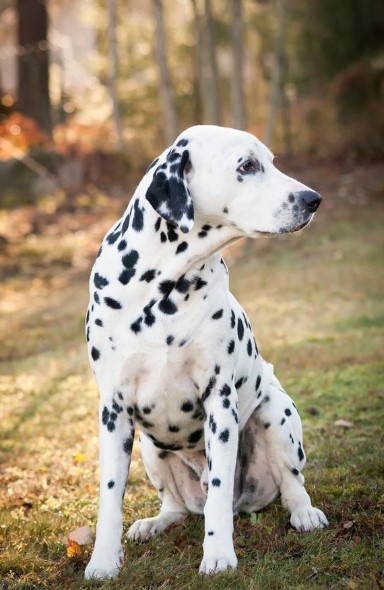
Examples: French Bulldog, Poodle, Bulldog, Boston Terrier, Dalmatian, Chow Chow, Shar-Pei, Shiba Inu, Bichon Frise.
Herding Group
Breeds developed to control the movement of livestock. They are intelligent, energetic, and often highly trainable, with strong instincts to herd.
Examples: German Shepherd Dog, Australian Shepherd, Border Collie, Pembroke Welsh Corgi, Shetland Sheepdog, Collie, Belgian Malinois, Australian Cattle Dog.
Dog Breeds by Size
Small Breeds (generally under 20–25 pounds)
Ideal for apartments or owners who prefer lower physical demands in some cases (though energy levels vary).
Popular examples: French Bulldog, Dachshund (miniature), Cavalier King Charles Spaniel, Yorkshire Terrier, Pomeranian, Chihuahua, Shih Tzu, Pug, Boston Terrier, Havanese, Maltese.
Medium Breeds (roughly 25–60 pounds)
Versatile size for many households.
Examples: Beagle, Cocker Spaniel, Border Collie, Australian Shepherd, Bulldog, Standard Schnauzer, Whippet, Basenji, Brittany.
Large Breeds (60–100+ pounds)
Require more space, food, and often more exercise or strength management.
Examples: Labrador Retriever, Golden Retriever, German Shepherd, Rottweiler, Boxer, Doberman Pinscher, Standard Poodle, Siberian Husky, Bernese Mountain Dog, Great Dane (giant), Mastiff types.
Giant breeds (Great Dane, Mastiff, Irish Wolfhound, Newfoundland, Saint Bernard) demand significant space, higher costs, and awareness of shorter average lifespans and joint health needs.
Key Traits of Widely Loved Breeds
- French Bulldog: Affectionate, adaptable, low-to-moderate energy. Watch for breathing and temperature sensitivity.
- Labrador Retriever: Outgoing, eager to please, high energy. Excellent with families and in training.
- Golden Retriever: Gentle, patient, highly trainable. Thrives on human companionship and activity.
- German Shepherd: Intelligent, loyal, protective. Needs mental stimulation and confident handling.
- Dachshund: Curious, bold, and playful. Prone to back issues due to body structure.
- Poodle: Exceptionally intelligent and versatile across sizes. Low-shedding coat requires regular grooming.
- Beagle: Friendly, curious, strong scent drive. Can be vocal and independent.
- Australian Shepherd / Border Collie: Highly intelligent herding breeds that need jobs and activity to stay balanced.
How to Choose the Right Breed
Consider these factors carefully:
- Lifestyle and activity level: Match the dog’s energy to yours. High-drive sporting or herding breeds need daily vigorous exercise and mental work.
- Living space: Small or apartment-friendly breeds suit urban living better than large, active dogs.
- Time commitment: Training, exercise, grooming, and companionship all require time.
- Experience level: Some breeds (especially strong working or guardian types) are better for experienced owners.
- Allergies and grooming: Low-shedding breeds (Poodles, certain terriers) may suit sensitive households, but no dog is completely hypoallergenic.
- Health and longevity: Research breed-specific health issues and work with responsible breeders who perform health testing.
- Family situation: Some breeds are more tolerant of children or other pets than others; individual temperament and socialization matter greatly.
Mixed-breed dogs from shelters or rescues often make wonderful companions and may combine the best traits of multiple breeds while sometimes showing hybrid vigor.
FAQs
What is the most popular dog breed right now?
The French Bulldog has held the top AKC ranking for four consecutive years based on registration data.
How many dog breeds does the AKC recognize?
Over 200 breeds, organized into seven groups, with additional breeds in the Foundation Stock Service.
What are the seven AKC groups?
Sporting, Hound, Working, Terrier, Toy, Non-Sporting, and Herding.
Which breeds are best for apartments?
French Bulldogs, Cavalier King Charles Spaniels, many Toy breeds, and some lower-energy small or medium dogs, provided their exercise and mental needs are met.
Which breeds are best for families with children?
Labrador Retrievers, Golden Retrievers, and many other well-socialized sporting and herding breeds often excel, though supervision and individual temperament are always important.
Are purebred dogs healthier than mixed breeds?
Not necessarily. Responsible breeding with health testing improves purebred outcomes, while mixed breeds can benefit from genetic diversity. Health depends heavily on individual genetics, care, and screening.
How do I choose between a purebred and a mixed-breed dog?
Purebreds offer more predictable size, coat, and temperament ranges. Mixed breeds from rescues provide loving homes to dogs in need and often have unique combinations of traits. Both can be excellent choices.
What should I look for in a breeder?
Health testing of parents, transparency, willingness to answer questions, knowledge of the breed, and a focus on temperament and long-term placement rather than just selling puppies.
Do all dogs in a breed act the same?
No. While breeds share tendencies, individual personality, early experiences, training, and socialization create significant variation.
How important is exercise when choosing a breed?
Extremely important. Matching a dog’s energy and drive to your ability to provide outlets prevents behavioral problems and supports physical and mental health.
Conclusion
The world of dog breeds offers remarkable variety—from the compact, people-oriented French Bulldog currently topping popularity charts to the versatile Labrador and Golden Retrievers that have defined family companionship for generations, and from high-drive herding dogs to gentle giant working breeds. The AKC’s seven groups provide a helpful way to understand historical purpose and typical traits, while size categories and popularity lists offer practical starting points.
The best “list” is the one that leads you to a dog whose needs you can meet for a lifetime. Research thoroughly, consider your daily routine and living situation honestly, meet individual dogs when possible, and prioritize health, temperament, and responsible sources—whether a reputable breeder or a rescue organization. When the match is right, the specific breed becomes secondary to the unique bond you will share with your companion.
Every dog, purebred or mixed, brings its own personality and potential. Choosing thoughtfully sets the foundation for years of companionship, activity, and mutual enrichment.