Persian Cat: The Elegant, Long-Haired Icon of the Feline World
Few cat breeds evoke the same sense of quiet luxury as the Persian. With its flowing coat, round face, large expressive eyes, and serene demeanor, the Persian has been a symbol of feline elegance for centuries. Whether the ultra-flat modern show type or the more moderate traditional doll-face, this breed continues to rank among the most popular purebred cats worldwide. Yet behind the glamorous appearance lies a cat that requires significant daily care and careful consideration of health.
This comprehensive guide explores the Persian cat in full: its long history, distinctive appearance and variations, temperament, grooming demands, health considerations, and suitability as a companion. By the end you will have a realistic picture of what life with a Persian entails and whether this iconic breed is the right match for your home.
A Rich and Ancient History
The Persian is widely regarded as one of the oldest recognized cat breeds. Long-haired cats were documented in the region of Persia (modern-day Iran) and surrounding areas of Central Asia for centuries. European travelers brought examples west in the early 1600s; Italian explorer Pietro della Valle is often credited with introducing long-haired cats from the region around 1620. Similar cats arrived in France around the same period.
By the Victorian era the breed had captured the imagination of the British upper class. Queen Victoria owned Persian cats, helping elevate their status. The first modern cat show, held at London’s Crystal Palace in 1871, featured Persians prominently, and the breed quickly became a favorite among early fanciers. The Cat Fanciers’ Association (CFA) recognized the Persian as one of its foundation breeds in the early 1900s. From Britain the cats traveled to North America, where they continued to gain popularity.
Over the twentieth century the breed’s appearance evolved. Early Persians had longer noses and more moderate facial structure. Selective breeding, particularly in the United States after the mid-1900s, favored an increasingly flat face resembling that of the Pekingese dog—hence the term “peke-face.” Today both the extreme modern type and more traditional “doll-face” Persians exist, though show standards in major registries generally prefer the flatter profile.
Check Also: Pet Lovia
Physical Characteristics
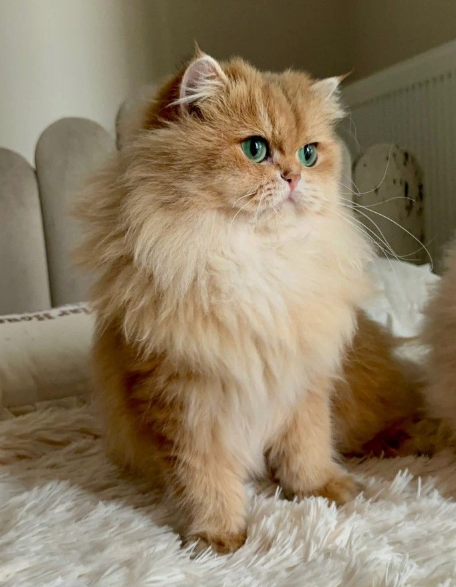
The ideal Persian is a medium-to-large, cobby cat with a short, sturdy body, broad chest, short legs, and a short, bushy tail. The head is large and round, with small ears set low and wide apart, and large, round, expressive eyes. The coat is long, thick, and silky, with a dense undercoat that creates the breed’s signature flowing appearance. Weight typically ranges from 7 to 12 pounds, with males often larger than females.
Face Type – The Great Divide
Two main facial conformations are discussed among owners and breeders:
- Modern / Peke-face / Extreme: Very short nose set high between the eyes, pronounced nose break, and an overall flat profile. This is the look most commonly seen in the show ring under major registries.
- Traditional / Doll-face: A more moderate muzzle with a visible nose bridge set lower on the face. These cats retain a sweeter, less exaggerated expression and generally experience fewer brachycephalic (flat-faced) health complications.
Both types are registered as Persians. The difference is one of degree rather than separate breeds, though many health-conscious owners preferentially seek doll-face or moderately typed cats.
Colors and Patterns
Persians come in an enormous range of colors and patterns. Solid colors include white, black, blue, red, cream, chocolate, and lilac. Patterned varieties include tabby, tortoiseshell, calico, bi-color, smoke, shaded, and chinchilla (silver or golden). The Himalayan, with its pointed coloring (pale body and darker extremities), is considered a color division of the Persian in the CFA and is recognized separately or as part of the Persian group in other registries. Eye color varies with coat color—copper, blue, green, or odd-eyed in certain whites.
Temperament and Personality
Persians are renowned for their calm, gentle, and affectionate nature. They are typically quiet cats that prefer a peaceful environment and enjoy lounging near their people rather than constant high-energy play. Many are content to be lap cats or simply sit nearby observing household activity. They form strong bonds with their families and can be reserved with strangers at first, warming up once they feel secure.
While not as vocal as Siamese-type cats, Persians do communicate with soft meows when they want attention. They adapt well to apartment living and are generally good with gentle children and other calm pets. Their lower activity level makes them less likely to engage in destructive behavior, though they still appreciate interactive play sessions and environmental enrichment. Overall they suit households that value quiet companionship over high-octane feline antics.
Grooming: The Defining Commitment
The Persian’s glorious coat is also its greatest care requirement. Daily brushing and combing are essential to prevent painful mats and tangles, especially in the dense undercoat, armpits, groin, and behind the ears. A metal comb that reaches the skin is more effective than a simple brush. Neglect can lead to large mats that require professional shaving—an experience most cats find stressful.
Many owners bathe their Persians every few weeks to keep the coat clean and reduce oil buildup. Facial care is equally important: the flat face and prominent eyes often produce tear staining and discharge that should be gently wiped daily with a soft, damp cloth or veterinary-recommended cleaner. Facial folds may also need regular cleaning to prevent infection. Nail trimming, ear checks, and dental care complete the routine.
Prospective owners must be honest about whether they can commit to this level of daily maintenance for the cat’s entire life. Professional grooming every four to six weeks can help, but it does not replace daily home care.
Health Considerations
Persians are predisposed to several significant health issues, many linked to their conformation and genetics.
Polycystic Kidney Disease (PKD) is an inherited condition that causes fluid-filled cysts to form in the kidneys, potentially leading to kidney failure. Prevalence has historically been high (estimates of 36–49% in some populations). DNA testing is available and widely used by responsible breeders; buyers should insist on clear test results for both parents.
Brachycephalic issues are more pronounced in extreme flat-faced cats. These can include narrowed airways, noisy breathing, exercise intolerance, heat sensitivity, chronic tear staining, corneal ulcers or irritation, and dental crowding due to the shortened jaw. Doll-face or moderately typed Persians generally fare better in this regard.
Other concerns include progressive retinal atrophy, skin and coat disorders (including higher susceptibility to certain fungal infections), dental disease, and, in some lines, heart conditions. A 2019 UK study found that a substantial percentage of Persians presented with at least one disorder, with dermatological, ophthalmological, and dental problems among the most common.
Lifespan typically ranges from 10 to 15 years or more, with better outcomes for cats from health-tested lines, moderate facial type, indoor living, proper weight management, and consistent veterinary care. Choosing a reputable breeder who prioritizes health testing and moderate type significantly improves the odds of a longer, more comfortable life.
Is a Persian Right for You?
The ideal Persian home is calm, consistent, and prepared for daily grooming. These cats thrive with owners who enjoy quiet companionship and are willing to invest time in coat and facial care. They are less suitable for very busy, chaotic households or for people who prefer low-maintenance, highly active cats.
Indoor living is strongly recommended both for safety and to protect the long coat. With proper care a Persian can be a deeply affectionate, elegant companion that brings a sense of serene presence to the home.
FAQs
How much grooming does a Persian really need?
Daily brushing and combing are essential. Eye cleaning is usually required daily as well. Monthly or bi-monthly baths and regular professional grooming help maintain the coat.
What is the difference between doll-face and peke-face Persians?
Doll-face (traditional) Persians have a more moderate muzzle and visible nose. Peke-face or modern show-type Persians have an extremely flat face with the nose set high between the eyes. Health risks related to breathing and eyes are generally higher in the extreme flat-faced type.
Are Persians hypoallergenic?
No. Their long coat and dander mean they are not suitable for people with significant cat allergies.
How long do Persian cats live?
Average lifespan is often cited between 10 and 15 years, with many reaching the mid-teens when well cared for. Health-tested, moderately typed cats and indoor lifestyles support better longevity.
Do Persians shed a lot?
Yes. The long, dense coat sheds, and regular grooming is needed to manage loose hair and prevent mats.
Are they good with children and other pets?
Generally yes with gentle children and calm pets. Their placid nature makes them less likely to scratch or play roughly, but supervision is always wise with young children.
What is polycystic kidney disease and can it be avoided?
PKD is an inherited condition causing kidney cysts. DNA testing of breeding cats allows breeders to avoid producing affected kittens. Always request test results.
Do Persians meow a lot?
They are typically quiet compared with more vocal breeds. Soft meows are used to communicate needs.
Is the Himalayan a type of Persian?
In the CFA the Himalayan is a pointed color division of the Persian. Other registries may treat it as a separate but closely related breed within the Persian group.
How active are Persian cats?
They have low to moderate energy levels. Short play sessions and lap time suit them better than constant high activity.
Do flat-faced Persians have more health problems?
Extreme brachycephalic (very flat) faces are associated with higher rates of breathing difficulties, eye issues, and dental problems. More moderate faces generally experience fewer of these complications.
What should I look for in a Persian breeder?
Health testing (especially PKD DNA tests), transparent discussion of facial type and associated risks, socialization of kittens, and a willingness to provide ongoing support. Avoid breeders who prioritize extreme looks over health.
Can Persians live in hot climates?
They can, but extreme flat-faced cats are more heat-sensitive due to breathing limitations. Air conditioning, shade, and careful monitoring are important.
Do they need special diets?
A high-quality diet appropriate for age and activity level is sufficient. Weight management is important because lower activity can lead to obesity. Some cats benefit from formulas that support skin, coat, or urinary health.
Conclusion
The Persian cat remains one of the most recognizable and beloved breeds in the world—an enduring symbol of feline grace and quiet companionship. Its long, luxurious coat and sweet expression have captivated admirers for generations, from Victorian drawing rooms to modern living rooms. Yet the breed also carries significant responsibilities: daily grooming, careful attention to facial and respiratory health, and thoughtful selection of a kitten from health-tested lines.
Whether you are drawn to the dramatic modern show type or prefer the more moderate traditional doll-face, understanding the full picture is essential. A well-bred, well-cared-for Persian can offer years of gentle affection, serene presence, and the simple pleasure of sharing life with one of the most elegant cats ever developed. For those prepared to meet its needs, the Persian rewards that commitment with a uniquely peaceful and devoted companionship that few other breeds can match.
In the end, the Persian is not merely a beautiful coat and a round face. It is a calm, affectionate partner that asks for care and, in return, offers a quiet elegance that has stood the test of centuries.