The Ultimate Guide to Tortoiseshell Cats: Genetics, Personality, Care, and Everything You Need to Know
Tortoiseshell cats—affectionately called “torties”—are some of the most striking and charismatic felines you’ll ever meet. Their coats look like a living mosaic of black, orange, and sometimes softer cream or gray tones, swirled and mottled in patterns as unique as fingerprints. No two torties look exactly alike. Beyond their beauty, these cats have earned a reputation for strong personalities, cultural folklore, and fascinating genetics that make them almost exclusively female.
This comprehensive guide covers what tortoiseshell cats really are (hint: not a breed), the science behind their coats, the famous “tortitude,” how to care for them, common myths, and practical advice for living with one. Whether you’re considering adopting a tortie, already share your home with one, or simply love learning about cats, you’ll find detailed, evidence-based information here.
What Is a Tortoiseshell Cat?
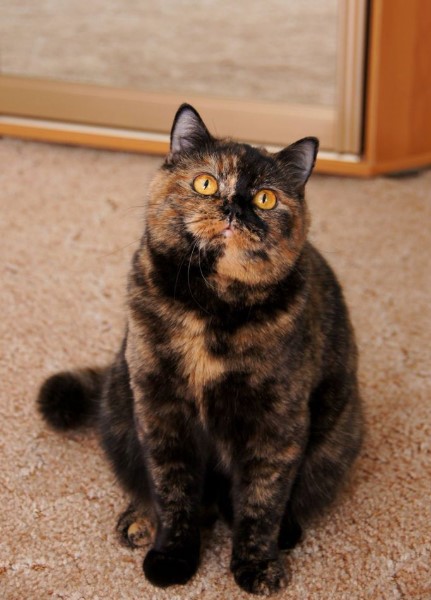
A tortoiseshell cat is defined by its coat pattern, not by breed. The classic tortoiseshell pattern features a random intermingling of black (or chocolate/cinnamon) and orange/red fur with little to no white. The colors can appear in fine brindling (mixed closely together), larger patches, or a combination of both. The result often resembles the shell of a tortoise—hence the name.
Most torties are domestic shorthairs or domestic longhairs (mixed-breed cats). The pattern also appears in many purebreds, including American Shorthairs, British Shorthairs, Persians, Maine Coons, Scottish Folds, and others, as long as the breed standard allows it.
Tortoiseshell is distinct from calico. Calicos (sometimes called tortoiseshell-and-white) show significant white spotting along with black and orange patches. True torties have minimal or no white. There are also “torbies” (tortoiseshell + tabby), which display tabby striping within the colored areas, and dilute torties, whose colors soften to blue-gray and cream.
The Genetics Behind the Coat
The tortoiseshell pattern is a textbook example of sex-linked inheritance and X-chromosome inactivation (also called Lyonization).
The gene controlling orange vs. non-orange color sits on the X chromosome. Females have two X chromosomes (XX); males have one X and one Y (XY). A female who inherits one orange allele and one non-orange allele becomes a heterozygote. Early in embryonic development, each cell randomly inactivates one of the two X chromosomes. Cells that keep the orange X active produce orange pigment (phaeomelanin); cells that keep the non-orange X active produce black/brown pigment (eumelanin). The resulting mosaic of cell clones creates the patchwork coat.
Males, with only one X, normally express only one color—either fully orange or fully non-orange. Male tortoiseshells are rare (roughly 1 in 3,000) and almost always result from chromosomal anomalies, most commonly XXY (Klinefelter syndrome). These males are typically sterile. Extremely rare cases involve chimerism (fusion of two embryos).
Recent research has identified the molecular basis of the orange trait: a small regulatory DNA deletion near the gene ARHGAP36 on the X chromosome. This deletion boosts production of the ARHGAP36 protein in pigment cells, shifting pigment production toward orange/yellow rather than black/brown.
Dilute torties carry a separate recessive dilution gene that softens black to blue-gray and orange to cream. Other modifiers can produce chocolate, cinnamon, or lilac versions.
Because the pattern requires two different alleles on the X chromosome, the vast majority of tortoiseshell cats are female.
Tortoiseshell vs. Calico: Clearing Up the Confusion
People often use the terms interchangeably, but they describe different patterns:
- Tortoiseshell: Black + orange (or dilute equivalents) with little/no white. Colors are usually intermingled or finely mottled.
- Calico: Black + orange + significant white spotting. The white comes from a separate gene (the white spotting or piebald gene) that affects melanocyte migration, creating larger distinct patches separated by white.
Both are almost always female for the same genetic reasons. Some people call any tricolor cat a calico, while others reserve “calico” for cats with large white areas. Regional language differences exist (e.g., “tortoiseshell-and-white” in some places).
Personality and the Famous “Tortitude”
Owners frequently describe torties as independent, vocal, opinionated, and strong-willed. The playful term “tortitude” captures this reputation for sass, confidence, and clear communication of preferences.
A 2016 University of California, Davis study surveyed more than 1,200 cat owners and found that owners of tortoiseshell, calico, and torbie cats reported higher rates of certain behaviors—such as hissing or swatting during everyday handling, grooming, or veterinary visits—compared with owners of other coat colors. The effect was modest, and the study relied on owner perception rather than controlled behavioral observation. Individual variation is large: many torties are gentle, affectionate lap cats.
Scientists emphasize that coat color itself does not encode personality. Behavior is shaped by genetics unrelated to color, early socialization, environment, health, and individual temperament. Underlying breed plays a major role—a tortie Maine Coon will tend toward the sociable Maine Coon temperament, while a tortie Persian may be quieter. Still, the “tortitude” stereotype persists because so many owners independently notice assertive, expressive personalities in their multicolored cats.
Common owner-reported traits include:
- Strong attachment to one or two favorite people
- Clear body language and vocalization when displeased
- Playfulness and sudden bursts of energy
- Independence and a preference for things on their own terms
- Loyalty and affection once trust is established
History and Cultural Significance
Tortoiseshell cats appear in folklore across cultures. In Japan, they (especially males) have been considered lucky and protective. In parts of Ireland and Scotland, a tortoiseshell cat entering the home is said to bring good fortune. In the United States, they are sometimes called “money cats.” Southeast Asian legends link them to divine origins. Male torties, because of their extreme rarity, often carry extra mystical status in these traditions.
The pattern itself is ancient. Historical records and art suggest multicolored cats have existed for centuries wherever domestic cats lived. The orange mutation appears to be relatively recent in evolutionary terms (possibly arising more than 900 years ago based on genetic and historical evidence), then spread widely through domestic cat populations.
Care, Health, and Lifespan
Because tortoiseshell is a pattern rather than a breed, care needs depend on the individual cat’s background, coat length, and overall health—not the colors themselves.
Grooming: Shorthaired torties need weekly brushing. Longhaired ones benefit from more frequent sessions to prevent mats. The mixed coat colors do not create special grooming challenges.
Diet and exercise: High-quality cat food appropriate for the cat’s age and activity level is essential. Indoor torties can become overweight, so measured portions, puzzle feeders, and interactive play help maintain a healthy weight.
Health: Female torties have no known health risks specifically linked to their coat pattern. They face the same common feline issues as other cats: dental disease (very common after age 4), obesity, kidney disease in seniors, and parasites if they go outdoors. Regular veterinary care, vaccinations, parasite prevention, and dental attention are the best defenses.
Rare male torties with XXY chromosomes may face additional risks associated with Klinefelter syndrome, including sterility, possible bone density issues, higher body fat, and increased risk of certain conditions such as heart disease. Veterinary monitoring is especially important for these cats.
Lifespan: Well-cared-for indoor torties typically live 12–16 years, with many reaching 14–18 years or more. Genetics, diet, preventive care, and lifestyle matter far more than coat color.
Environment: Enrichment is key. Climbing trees, window perches, interactive toys, and regular play sessions support mental and physical health. Torties often enjoy having vertical space and opportunities to “supervise” household activities.
Living Happily with a Tortie
Respect their boundaries. Many torties appreciate affection on their terms and may swat or walk away if handling becomes unwanted. Positive reinforcement, patience during socialization (especially for kittens), and consistent routines help build trust. They can thrive in homes with children or other pets when properly introduced and socialized, though individual personalities vary.
Because most are female, spaying is standard and recommended for health and population-control reasons. Male torties (if fertile, which is uncommon) would also benefit from neutering.
Frequently Asked Questions About Tortoiseshell Cats
Are all tortoiseshell cats female?
Almost all are. Roughly 1 in 3,000 is male, usually due to an XXY chromosomal makeup, and most of those males are sterile.
Is tortoiseshell a breed?
No. It is a coat color pattern that can appear in many breeds and mixed-breed cats.
What is the difference between a tortie and a calico?
Torties have black and orange (or dilute versions) with little or no white. Calicos have those colors plus significant white spotting.
Do tortoiseshell cats have special personalities?
Many owners report “tortitude”—independence, vocalization, and strong opinions. A 2016 study found modestly higher owner-reported aggression in some handling situations for torties, calicos, and torbies, but individual variation is large and coat color alone does not determine personality.
How long do tortoiseshell cats live?
Typically 12–16 years or longer with good care. Indoor lifestyle, diet, and veterinary care have the biggest influence.
Are there health problems unique to torties?
No special risks for females linked to the pattern. Rare male XXY torties may have additional health considerations related to their chromosomes. Common cat health issues (dental disease, obesity, kidney disease) apply as usual.
Can tortoiseshell cats be male and fertile?
True fertile male torties are exceptionally rare. Most male torties are sterile.
Do torties need special care?
No. Care follows the same guidelines as for other cats of similar breed background, coat length, and lifestyle. Enrichment and respect for individual boundaries help them thrive.
Are dilute tortoiseshell cats rarer?
Dilute versions (blue and cream) are less common than classic black-and-orange torties because they require the additional recessive dilution gene.
Are tortoiseshell cats hypoallergenic?
No. The pattern has no effect on allergen production. Allergen levels vary more by individual cat and breed factors related to Fel d 1 protein.
Conclusion
Tortoiseshell cats combine stunning, one-of-a-kind beauty with complex genetics and memorable personalities. Their coats tell a story of X-chromosome mosaicism that is almost exclusive to females, while their reputations for independence and expressiveness have earned them the affectionate label of “tortitude.” They are not a breed but a living demonstration of how genetics, development, and chance create uniqueness in every individual.
Whether your tortie is a classic black-and-orange whirlwind of energy, a soft dilute cream-and-blue companion, or a rare male, the fundamentals of good cat care remain the same: quality nutrition, preventive veterinary medicine, mental stimulation, and respect for the cat’s personality. In return, many owners find deep loyalty, entertainment, and the quiet satisfaction of sharing life with a cat whose coat is as distinctive as her character.
If you’re lucky enough to share your home with a tortoiseshell cat, you’re living with a small piece of genetic artistry and cultural folklore. Treasure the individuality, enjoy the attitude when it appears, and give her the enrichment and care every cat deserves. The world of torties is colorful in every sense of the word—and once you’ve known one, ordinary solid-colored cats may never look quite the same again.