Black Maine Coon Cats: The Complete Guide to the Elegant Gentle Giant
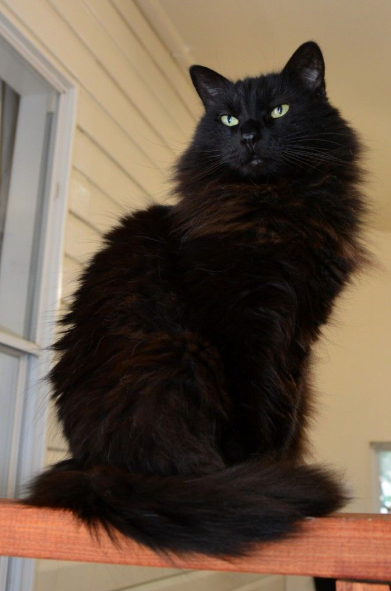
Black Maine Coon cats combine the impressive size, intelligence, and affectionate nature of the Maine Coon breed with a striking solid black coat that gives them a powerful, panther-like presence. While the black color is simply one of many accepted coat colors in the breed, it creates a particularly dramatic appearance that many admirers find unforgettable. These cats are not a separate variety—they are Maine Coons that happen to express a solid black coat—but their look and the breed’s well-known temperament make them highly sought after.
Check Also: Pet Lovia
This in-depth guide covers the history of the Maine Coon, the genetics and appearance of the black coat, personality and temperament, size and growth, grooming and care requirements, health considerations, suitability as family pets, and practical advice for anyone considering adding one of these remarkable cats to their home.
A Brief History of the Maine Coon
The Maine Coon is one of the oldest natural breeds in North America and is the official state cat of Maine. The breed developed in the harsh New England climate, where a large, sturdy, well-insulated body and a water-resistant coat provided clear survival advantages. Theories about their origins include interbreeding between domestic cats and local wild cats or the descendants of cats brought by seafarers, but the exact history remains partly legendary. What is clear is that these working cats earned their place on farms and ships through their hunting ability, hardiness, and companionable nature.
Maine Coons were among the earliest show cats in the United States. A brown tabby Maine Coon named Cosey won “Best Cat” at a major early cat show in New York in the late 19th century. After a period of decline, dedicated breeders revived and standardized the breed in the mid-20th century. Today the Maine Coon is one of the most popular pedigreed cats worldwide, valued for both its impressive looks and its friendly disposition.
Appearance of the Black Maine Coon
A true solid black Maine Coon has a dense, glossy black coat from root to tip, black nose leather, and black paw pads. Faint “ghost” tabby markings may be visible in kittens but usually fade as the coat matures. The ideal black coat shows no rustiness or brown tipping, although environmental factors, nutrition, and sun exposure can sometimes cause a temporary reddish cast.
The overall structure follows the classic Maine Coon standard: a large, rectangular body with substantial bone, a broad chest, a long flowing tail, large tufted ears, and a distinctive squared muzzle often described as having a gentle expression. Eyes are typically gold, green, or copper. The shaggy, uneven coat is longer on the stomach, britches, and tail, and features a silky texture with a slight undercoat that provides insulation without the extreme density of some other longhaired breeds.
Males are generally larger and more heavily boned than females. Adult males commonly weigh 15–25 pounds (occasionally more), while females typically range from 8–15 pounds. Nose-to-tail length can reach 40 inches or more. Maine Coons are slow to mature; they often continue growing until 3–5 years of age.
Genetics of the Black Coat
Solid black in cats results from the dominant black (B) allele combined with the non-agouti (aa) genotype that suppresses the tabby pattern. Maine Coons can carry a wide range of colors and patterns; solid black is fully accepted by major registries such as CFA and TICA. Black Maine Coons can produce black, smoke, silver, or tabby offspring depending on the genetics of the breeding partner. Coat color itself does not influence health or temperament.
Personality and Temperament
Maine Coons of every color are widely described as “gentle giants.” They tend to be friendly, intelligent, curious, and people-oriented without being overly demanding. Many owners note a dog-like quality: they often follow their people from room to room, enjoy interactive play, and can learn to walk on a harness or respond to simple cues. They generally get along well with children, other cats, and dogs when properly introduced.
Black Maine Coons share this breed temperament. Their striking appearance sometimes leads people to expect a more aloof or intense personality, but the reality is usually a calm, sociable companion that thrives on moderate interaction and household involvement. They are typically patient and tolerant, making them suitable for busy family homes, though individual personalities always vary.
Intelligence is a hallmark. Maine Coons often enjoy puzzle toys, clicker training, and games that challenge them mentally. They retain a playful streak well into adulthood.
Grooming and Coat Care
The Maine Coon’s coat is designed to resist matting better than many longhaired breeds, yet it still requires regular maintenance. Plan on thorough brushing two to three times per week with a wide-tooth comb and slicker brush, paying special attention to the armpits, behind the ears, the base of the tail, and the “britches.” Seasonal shedding periods may require more frequent sessions.
Black coats show dust, dander, and loose white undercoat hairs more readily than lighter colors, so consistent grooming helps keep the coat looking sleek. Some owners bathe their Maine Coons every few months; many cats of this breed tolerate or even enjoy water when introduced positively as kittens. Regular nail trims, ear checks (the large tufted ears can collect debris), and dental care complete the routine.
A high-quality diet supports coat condition. In some black cats, a temporary rusty or brownish tint can appear; improving protein quality and limiting excessive sun exposure often helps restore a deeper black as the coat grows out.
Health Considerations
Maine Coons are generally robust, but like all purebred cats they have some breed-associated health risks. The most significant is hypertrophic cardiomyopathy (HCM), a heart condition in which the heart muscle thickens. A known genetic mutation (MYBPC3) occurs in the breed; responsible breeders screen breeding cats via DNA testing and echocardiography. Hip dysplasia, spinal muscular atrophy (SMA), and, less commonly, polycystic kidney disease are other concerns that ethical breeders test for.
Black coat color does not increase or decrease these risks. Prospective owners should request health testing documentation on the parents and prioritize breeders who perform appropriate screenings. Maintaining a healthy weight is especially important for large-breed cats to reduce stress on joints and the heart. Average lifespan is typically 12–15 years, with many individuals living longer under good care.
Exercise, Environment, and Enrichment
Despite their size, Maine Coons are not hyperactive, but they do need daily opportunities for play and exploration. Interactive wand toys, puzzle feeders, climbing structures, and window perches help meet their physical and mental needs. Because they are intelligent and social, they generally do best in homes where people are present for meaningful parts of the day or where another compatible pet provides company.
A secure outdoor enclosure (catio) can be an excellent enrichment option if free-roaming outdoors is not safe or desired. Indoor Maine Coons thrive when their environment offers vertical space, scratching posts of appropriate size, and regular human interaction.
Suitability as Family Pets
Black Maine Coons, like the breed as a whole, are often excellent family cats. Their patient temperament and sturdy build make them more tolerant of the noise and activity of households with children than many other breeds, provided interactions are supervised and respectful. They usually coexist well with dogs and other cats when introductions are handled carefully. Their moderate activity level and affectionate but not clingy nature suit a wide range of lifestyles, from quiet adult homes to busier family settings.
Finding a Black Maine Coon
Reputable breeders screen for HCM and other genetic conditions, raise kittens in the home with early socialization, and provide health guarantees and ongoing support. Prices for well-bred kittens typically range from $1,000 to $3,000 or more depending on lineage, location, and whether the kitten is pet-quality or show-quality. Adoption through breed-specific rescues is another excellent route and often less expensive.
Avoid sellers who cannot provide health testing results, who offer very young kittens, or who prioritize rare colors or extreme size over health and temperament. A carefully chosen Maine Coon, black or otherwise, is a long-term companion that will share your home for many years.
Frequently Asked Questions
Are black Maine Coons rare?
Solid black is less common than brown tabby in some breeding programs, but it is a fully accepted and regularly produced color. Availability varies by region and breeder.
Do black Maine Coons have different personalities?
No. Temperament is a breed characteristic, not a color characteristic. Individual variation exists within every color.
How big do black Maine Coons get?
Males typically reach 15–25 pounds and females 8–15 pounds, with nose-to-tail lengths up to about 40 inches. Full size is often not reached until 3–5 years of age.
Do black Maine Coons shed a lot?
Yes. They have a substantial coat and shed seasonally. Regular brushing significantly reduces loose hair in the home.
Are black Maine Coons hypoallergenic?
No. No cat breed is truly hypoallergenic, and Maine Coons produce typical levels of the Fel d 1 allergen.
What health tests should parents have?
DNA testing for the known HCM mutation, echocardiograms for heart health, and screening for hip dysplasia and SMA are among the most important.
Can black Maine Coons live in apartments?
Yes, provided they receive adequate play, climbing opportunities, and human interaction. Their size requires enough floor and vertical space to move comfortably.
Do black coats fade or turn rusty?
Some black coats can develop a reddish or brownish cast due to sun, diet, or genetics. Good nutrition and limited intense sun exposure help maintain a deep black.
Are Maine Coons good with dogs?
Many are, especially when raised with them or carefully introduced. Their confident, social nature often helps.
How much grooming do they need?
Brushing two to three times weekly is typical, with more during heavy shedding seasons. Occasional baths and regular nail and ear care complete the routine.
What is the average lifespan?
12–15 years is common, with many living into their late teens with excellent care.
Is a black Maine Coon more expensive?
Price depends more on breeder reputation, health testing, and lineage than on color alone. Solid black is not usually priced as a rarity.
Conclusion
Black Maine Coon cats offer the best of the breed—impressive size, intelligence, affection, and a dog-like sociability—wrapped in a sleek, powerful black coat that turns heads. They are not a separate breed, but the solid black expression creates a distinctive and elegant look that many people find irresistible.
Success with a black Maine Coon, as with any Maine Coon, rests on choosing a kitten or adult from health-tested lines, committing to regular grooming, providing mental and physical enrichment, and respecting the cat’s gentle but independent nature. In return, owners receive a loyal, entertaining, and often deeply bonded companion that can share their lives for a dozen years or more.
Whether you are drawn to the dramatic appearance of a solid black coat or simply to the renowned temperament of the Maine Coon breed, these cats reward informed, attentive care with years of quiet companionship and playful interaction. The black Maine Coon stands as a striking example of how color and character can combine to create one of the most impressive and lovable of all domestic cats.