Bernedoodle Puppies: The Complete Guide to This Popular Designer Dog
Bernedoodle puppies have captured the hearts of dog lovers worldwide. Combining the gentle, loyal nature of the Bernese Mountain Dog with the intelligence and lower-shedding coat of the Poodle, these designer dogs offer an appealing mix of traits. They come in multiple sizes, display a range of coat types, and are frequently described as affectionate family companions.
This comprehensive guide explores everything prospective owners need to know about Bernedoodle puppies—from their origins and generational differences to temperament, care requirements, health considerations, costs, training, and long-term ownership. Whether you are researching your first Bernedoodle or preparing for a new puppy, this article provides detailed, practical information.
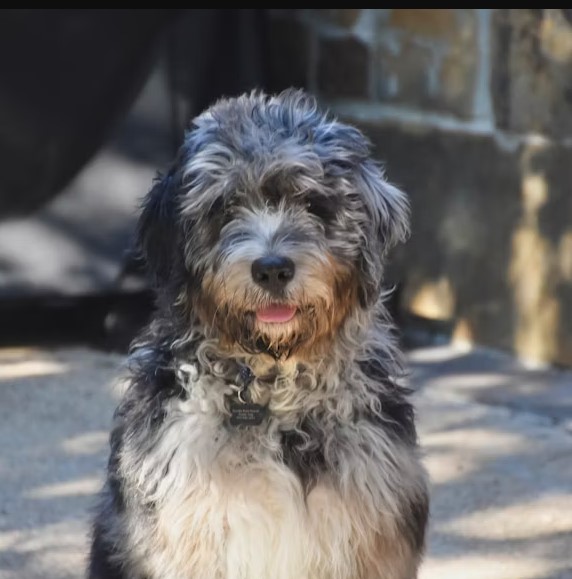
What Is a Bernedoodle?
A Bernedoodle is a hybrid dog created by crossing a Bernese Mountain Dog with a Poodle (Standard, Miniature, or Toy). The goal of the cross is to blend the Bernese’s calm, people-oriented temperament and striking tri-color appearance with the Poodle’s intelligence, trainability, and coat that typically sheds less.
The modern Bernedoodle gained significant popularity after breeder Sherry Rupke of Swissridge Kennels in Canada began purposefully producing them around 2003. Since then, the cross has become one of the more sought-after “Doodle” varieties.
Because Bernedoodles are a relatively recent hybrid rather than a purebred with decades of standardized breeding, individual dogs can vary more than dogs from long-established breeds. Coat type, size, energy level, and even temperament can differ depending on the specific parents and the generation of the cross.
Bernedoodle Sizes
One of the biggest advantages of the Bernedoodle is the range of sizes available, determined largely by the size of the Poodle parent:
- Standard Bernedoodle: Typically 23–29 inches at the shoulder and 50–90+ pounds. These are substantial dogs that most closely resemble a slightly lighter, often curlier version of a Bernese Mountain Dog.
- Miniature (Mini) Bernedoodle: Usually 18–22 inches and 25–49 pounds. A popular middle ground for many families.
- Tiny / Toy Bernedoodle: Generally 12–17 inches and 10–24 pounds. These smaller dogs are often produced by using Toy Poodles and may appear in later-generation or carefully planned breedings.
Size predictions are ranges, not guarantees. Genetics can produce puppies that fall outside the expected category, especially in early-generation litters.
Understanding Bernedoodle Generations
Generation labels help buyers understand likely coat characteristics, shedding levels, and consistency:
- F1 Bernedoodle: First-generation cross (Bernese Mountain Dog × Poodle). Genetically about 50/50. These puppies often benefit from maximum hybrid vigor. Coats are frequently wavy and shedding can be low to moderate. Variation within a litter is common.
- F1b Bernedoodle: An F1 Bernedoodle bred back to a Poodle (approximately 75% Poodle). These dogs more reliably produce curlier, lower-shedding coats and are often preferred by allergy-sensitive households.
- F2 and higher / Multigenerational (Multigen): Breeding Bernedoodles to other Bernedoodles across generations. These can offer greater consistency in size, coat, and type when breeders select carefully, though early F2 litters can still show significant variation.
When evaluating a puppy, ask the breeder for the exact generational breakdown and what coat outcomes they have seen in previous litters from the same lines.
Temperament and Personality of Bernedoodle Puppies
Bernedoodle puppies are typically affectionate, social, and eager to be near their people. They often inherit the Bernese Mountain Dog’s gentle, patient disposition and the Poodle’s intelligence and playfulness. Many families report that Bernedoodles are excellent with children and can get along well with other pets when properly socialized.
Puppies and adolescents are usually energetic, curious, and sometimes mouthy. They mature into calmer adults more slowly than some breeds—standard-sized dogs in particular may retain a puppy-like exuberance into their second or even third year. Most Bernedoodles thrive on companionship and can be prone to separation anxiety if left alone for long periods without gradual training.
Intelligence is generally high, which makes training rewarding but also means these dogs need mental stimulation. A bored Bernedoodle may invent its own entertainment, which is not always what owners prefer.
Appearance and Coat
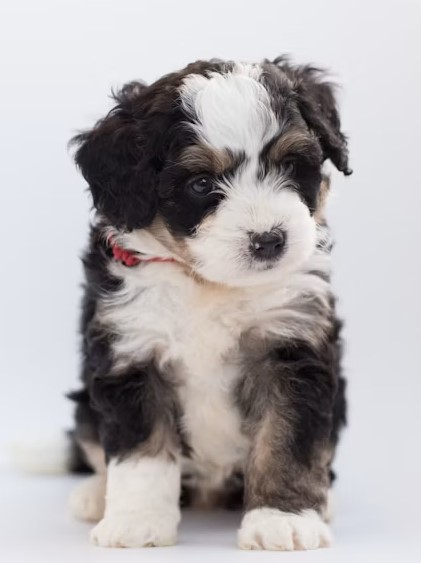
The most iconic Bernedoodle look features the Bernese-inspired tri-color pattern (black, white, and rust/tan), though bi-color, solid, and other variations occur. Coats range from loose waves to tight curls. Straight coats are less common and usually shed more.
No dog is truly 100% hypoallergenic. However, many Bernedoodles, especially those with curlier coats and higher Poodle percentage (such as F1b or multigen), produce less dander and shed minimally compared with double-coated breeds like the pure Bernese. Individual reactions vary—people with allergies should spend time with the specific dog or similar dogs before committing.
Caring for a Bernedoodle Puppy
Grooming
The coat is one of the higher-maintenance aspects of ownership. Regular brushing (several times per week, daily for longer or denser coats) prevents mats. Professional grooming every 6–8 weeks is typical for most owners. Ears should be checked and cleaned regularly because floppy ears can trap moisture. Nails, teeth, and sanitary areas also need routine attention.
Exercise
Bernedoodles generally need moderate to moderately high exercise—typically 45–90 minutes daily depending on size and individual energy. Puppies require age-appropriate activity that protects developing joints. Avoid repetitive high-impact exercise (long runs on hard surfaces, excessive jumping) during the first 12–18 months, especially for standard-sized dogs.
Training and Socialization
Start early with positive reinforcement methods. Bernedoodles are usually food-motivated and quick learners, though some inherit a stubborn streak. Focus on house-training, basic obedience, leash manners, and impulse control. Extensive, positive socialization during the critical early window (roughly 3–16 weeks) and continuing into adolescence helps produce confident adults.
Nutrition
Feed a high-quality diet appropriate for the puppy’s expected adult size. Large-breed puppy formulas are often recommended for standard Bernedoodles to support controlled growth. Measure portions carefully—many Bernedoodles love food and can gain weight easily. Transition to adult food at the age recommended by your veterinarian.
Health Considerations
Bernedoodles can inherit health predispositions from both parent breeds. Common concerns include:
- Hip and elbow dysplasia
- Eye conditions (including progressive retinal atrophy risk from the Poodle side)
- Certain cancers (the Bernese Mountain Dog has a notably high cancer rate; the cross often improves average lifespan but does not eliminate risk)
- Bloat (gastric dilatation-volvulus), particularly in deeper-chested standard dogs
- Allergies and skin issues
- Ear infections
Lifespan typically ranges from 12–18 years, with smaller Bernedoodles often living longer than standards. This is generally longer than the average purebred Bernese Mountain Dog lifespan.
Reputable breeders perform health testing on parent dogs (OFA or equivalent hip/elbow evaluations, eye certifications, cardiac checks, and relevant DNA tests). Always request and verify documentation before placing a deposit.
The Cost of Bernedoodle Puppies
In recent years, well-bred Bernedoodle puppies from health-testing breeders commonly range from $2,000 to $5,000 or higher. Factors influencing price include size (tinies and certain minis often command premiums), coat color and pattern (tri-color and rare markings may cost more), generation, location, and the level of early socialization and health work provided by the breeder.
Adoption through breed-specific or Doodle rescues is significantly less expensive (often a few hundred dollars) and gives a home to a dog in need, though pure Bernedoodle puppies are less commonly available in rescue than adults or mixes.
First-year costs beyond the purchase price include supplies, initial veterinary care, spay/neuter, training classes, grooming, and food—easily adding another $1,500–$3,000 or more depending on choices and location.
Pros and Cons of Bernedoodle Puppies
Pros
- Affectionate, family-oriented temperament
- High intelligence and generally good trainability
- Multiple size options
- Often lower shedding than many purebreds
- Frequently longer-lived than pure Bernese Mountain Dogs
- Playful yet capable of settling indoors
Cons
- High grooming requirements and associated cost
- Potential for inherited health issues from both sides
- Can be prone to separation anxiety
- Puppies and adolescents can be energetic and mouthy
- High purchase price from responsible breeders
- Variation in coat and traits, especially in early generations
Finding a Bernedoodle Puppy Responsibly
Seek breeders who:
- Health-test both Bernese and Poodle (or Bernedoodle) parents and share results
- Raise puppies in a home environment with early neurological stimulation and socialization
- Allow visits or provide transparent virtual updates
- Offer a written health guarantee and take lifelong responsibility for dogs they produce
- Are knowledgeable about generational differences and realistic about outcomes
Avoid sellers who always have puppies available, will not provide health documentation, or pressure quick decisions. Consider adopting an adult Bernedoodle or Bernedoodle-mix through rescue organizations when possible.
Frequently Asked Questions
Are Bernedoodles hypoallergenic?
No dog is completely hypoallergenic. Many Bernedoodles shed very little and produce less dander than heavy-shedding breeds, making them more suitable for some allergy sufferers—especially curlier-coated F1b and multigen dogs. Individual results vary.
How big do Bernedoodle puppies get?
It depends on the size category: Tiny (roughly 10–24 lbs), Mini (25–49 lbs), or Standard (50–90+ lbs). Ask about the parents’ sizes for the best estimate.
Do Bernedoodles shed?
Shedding ranges from minimal to moderate. Curly coats and higher Poodle percentages generally shed less. Regular grooming is still essential to prevent mats.
Are Bernedoodles good with kids?
Yes, in most cases. Their gentle, patient nature (especially from the Bernese side) often makes them excellent family dogs when socialized properly and supervised with young children.
How much exercise does a Bernedoodle need?
Most need 45–90 minutes of daily activity plus mental stimulation. Adjust for age, size, and individual energy level. Protect growing joints in puppies.
What is the lifespan of a Bernedoodle?
Typically 12–18 years, with smaller dogs often living longer. This is generally better than the average purebred Bernese Mountain Dog.
Are Bernedoodles easy to train?
They are intelligent and usually eager to please, responding well to positive reinforcement. Some individuals show stubbornness. Consistency and early training yield the best results.
How much does a Bernedoodle puppy cost?
Expect $2,000–$5,000+ from a reputable, health-testing breeder. Prices vary by size, generation, color, and location.
Do Bernedoodles bark a lot?
Most are not excessive barkers, though they will alert to unusual sounds or visitors. Individual variation exists.
Is a Bernedoodle a good choice for first-time owners?
They can be, provided the owner is prepared for grooming demands, training needs, and potential size-related logistics (especially with Standards). Their affectionate nature is often forgiving of novice mistakes when guidance is consistent.
Conclusion
Bernedoodle puppies offer an appealing combination of the Bernese Mountain Dog’s devoted, gentle spirit and the Poodle’s intelligence and coat advantages. Available in a range of sizes and generational types, they can fit many different homes—from active families wanting a larger companion to people seeking a smaller, lower-shedding dog.
Successful ownership depends on realistic expectations and responsible choices. Prioritize health-tested parents, invest in early socialization and training, commit to regular grooming, provide appropriate exercise and mental stimulation, and maintain a lean body condition to support joint health. Understanding that every Bernedoodle is an individual—shaped by genetics, early experiences, and lifelong care—helps owners appreciate both the joys and the responsibilities.
When thoughtfully bred and carefully raised, a Bernedoodle can be a loyal, affectionate, and entertaining companion for many years. Take the time to research breeders thoroughly, consider adoption when possible, and prepare your home and schedule for the delightful, fluffy reality of life with a Bernedoodle puppy. The reward is a devoted friend who brings equal parts goofiness, intelligence, and heart to your family.