Turkish Van Cat: The Complete Guide to the Ancient Swimming Cat of Lake Van
The Turkish Van is one of the most distinctive and historically significant cat breeds in the world. Originating in the rugged region surrounding Lake Van in eastern Turkey, this natural breed is famous for its striking “Van pattern”—a chalk-white body with color limited primarily to the head and tail—and for its unusual affinity for water, which has earned it the nickname “the swimming cat.” Large, muscular, intelligent, and highly active, Turkish Vans combine athletic power with affectionate, people-oriented personalities that many owners describe as almost dog-like. This comprehensive 4000+ word article explores every aspect of the Turkish Van: its ancient origins, physical characteristics and breed standards, temperament, care requirements, health profile, suitability as a companion, training potential, and practical considerations for ownership. Whether you are considering adding a Turkish Van to your home or simply wish to understand this rare and remarkable breed, the information below provides a thorough and balanced resource.
Check Also: Pet Lovia

History and Origins of the Turkish Van
The Turkish Van is a natural breed, meaning it developed over centuries through natural selection in a specific geographic region rather than through deliberate human breeding programs. The breed takes its name from Lake Van (Van Gölü) and the surrounding mountainous area of eastern Anatolia in modern-day Turkey. Archaeological evidence, including ancient carvings, ornaments, and jewelry from the region, suggests that cats resembling the modern Turkish Van have lived there for thousands of years—possibly as far back as 5,000 years or more.
Local tradition holds that these cats are connected to the biblical story of Noah’s Ark. According to legend, when the Ark came to rest on Mount Ararat (not far from Lake Van), the cats swam ashore. While the story is folklore, it underscores the long association of these cats with water and the region’s cultural identity. In Turkey the cats have long been regarded as a regional treasure.
Western recognition of the breed began in the mid-1950s. British photographers Laura Lushington and Sonia Halliday, working in Turkey, were given two unrelated kittens with the characteristic white bodies and colored heads and tails. Lushington brought the cats to England and began a small breeding program. The breed was initially called simply the “Turkish Cat.” To distinguish it from the Turkish Angora (a separate natural breed from a different region of Turkey), the name was later changed to Turkish Van. The Governing Council of the Cat Fancy (GCCF) in the United Kingdom was among the first organizations to grant recognition. The breed reached the United States in the early 1980s and gained championship status with major registries including The International Cat Association (TICA) and the Cat Fanciers’ Association (CFA).
Despite its ancient roots, the Turkish Van remains relatively rare both in its homeland and internationally. Demand often exceeds supply, and responsible breeding programs work to preserve the breed’s distinctive type and health.
Check Also: Lhasapoo
Physical Characteristics and Breed Standard
Turkish Vans are medium-to-large cats with a powerful, athletic build. They are slow to mature, often taking three to five years to reach full size and muscular development. Adult males typically weigh 10 to 20 pounds; females are smaller, usually 7 to 12 pounds. The body is long, substantial, and well-muscled, with broad shoulders, a deep chest, and moderately long legs that end in rounded feet. The overall impression is one of strength and agility rather than delicacy.
The head is a substantially broad wedge with gentle contours, prominent cheekbones, and a moderately long nose. Ears are moderately large, set high and well apart. Eyes are large and expressive; accepted colors include amber, blue, and odd-eyed (one blue and one amber). The coat is semi-long with a unique cashmere-like texture that is soft to the roots. Importantly, Turkish Vans lack a dense undercoat. This single-layer coat is water-resistant to a degree and changes seasonally—thicker and longer in winter, shorter in summer. Facial fur remains shorter year-round, and a frontal ruff and full brush tail become more pronounced with age.
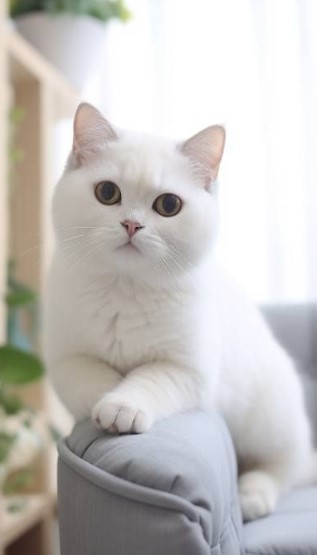
The defining feature of the breed is the Van pattern. The body is glistening chalk-white, with colored markings preferably confined to the head (often appearing as two patches separated by a white blaze) and the tail. Limited random body spots are permitted in most standards as long as they do not exceed a small percentage of the body and do not create a bicolor appearance. Classic colors include auburn (red), cream, black, and blue, in both solid and tabby patterns. Tortoiseshell combinations are also accepted in some registries. Solid white cats from the same region are sometimes called Vankedisi and are recognized by certain organizations but not always by others as true Turkish Vans.
Temperament and Personality
Turkish Vans are widely regarded as one of the more active and interactive cat breeds. They are intelligent, curious, playful, and highly energetic. Many retain kitten-like enthusiasm well into adulthood. They form strong bonds with their people and often follow their owners from room to room. Unlike more independent breeds, they generally enjoy being involved in household activities and can be quite demanding of attention.
Their athleticism is notable. Powerful hind legs make them excellent jumpers and climbers; owners frequently find them perched in high places surveying their domain. They can be trained to play fetch, walk on a leash, or perform tricks using positive reinforcement. The breed’s affinity for water is genuine in many individuals—some will paddle in shallow water, investigate running faucets, or even join their owners in the bath or shower. Not every Turkish Van loves swimming, but the tendency is far more common than in most other breeds.
They are typically friendly with family members and can do well with children who treat them respectfully. With proper socialization they may also accept other pets, though their high energy and hunting drive should be considered. Some Turkish Vans can be vocal, using a range of sounds to communicate. While affectionate, they are not always classic lap cats; many prefer active interaction over prolonged stillness.
A 2021 Finnish study noted higher-than-average tendencies toward fearfulness and certain stress-related behaviors in some Turkish Vans, reminding owners that individual temperament varies and that early, positive socialization remains important.
Care Requirements
Grooming
Because the coat lacks a heavy undercoat, Turkish Vans generally require less intensive grooming than many other semi-longhaired breeds. Weekly brushing is usually sufficient to remove loose hair and keep the coat in good condition. Seasonal shedding increases the need for brushing. The water-resistant quality of the coat means they often stay relatively clean. Regular nail trims, ear checks, and dental care are still essential.
Exercise and Enrichment
These are high-energy cats. Daily interactive play sessions, climbing opportunities (cat trees, shelves, perches), and puzzle toys help meet their physical and mental needs. Without adequate outlets they may become bored and engage in unwanted behaviors. Vertical space is particularly valued.
Diet and Nutrition
A high-quality diet appropriate for the cat’s age, size, and activity level supports their muscular build and energy. Portion control is important to prevent obesity, which can stress joints and overall health. Fresh water should always be available; some Turkish Vans enjoy drinking from running sources or fountains.
Litter Box and Environment
Provide appropriately sized litter boxes in quiet locations. Because of their size and activity level, multiple boxes and sturdy, large options work best in multi-cat or multi-level homes. Secure windows and balconies, as their athleticism and curiosity can lead them into risky situations.
Health and Lifespan
As a natural breed shaped by centuries of environmental adaptation rather than intensive selective breeding for extreme traits, the Turkish Van is generally considered robust. There are few widely recognized breed-specific genetic diseases. Average lifespan is typically 12 to 17 years, with many individuals living around 15 years when well cared for.
Like all cats, Turkish Vans can develop common feline conditions such as dental disease, obesity-related issues, hypertrophic cardiomyopathy (HCM), and kidney disease in older age. White cats with blue eyes in many breeds have a higher risk of congenital deafness, but Turkish Vans appear to be an exception; hereditary deafness is not considered a significant problem in the breed. Routine veterinary care, including wellness exams, vaccinations, parasite prevention, and dental attention, remains essential. Prospective owners should ask breeders about health testing of breeding cats where available.
Suitability as a Pet
Turkish Vans suit active households that can provide space, climbing opportunities, and daily interaction. They are generally good with respectful children and can adapt to multi-pet homes with proper introductions. Their size, energy, and strength make them less ideal for very young children who might handle them roughly or for owners seeking a quiet, sedentary lap cat. First-time cat owners can succeed if they are prepared for an athletic, interactive companion.
Because the breed is rare, finding a kitten often involves waiting lists with reputable breeders. Adoption of adult Turkish Vans or Van-patterned cats through breed rescues is sometimes possible and allows a clearer view of adult temperament and size.
Living with a Turkish Van
Daily life with a Turkish Van is rarely dull. Expect a cat that investigates everything, invents games, and seeks out its people for play or companionship. Many owners describe them as loyal shadows that want to be part of the action. Providing vertical territory, interactive toys, and consistent positive engagement channels their energy productively. Their intelligence makes training rewarding; their independent streak means training must remain interesting and reward-based.
The seasonal coat change is a practical consideration—more frequent brushing in spring and fall helps manage shedding. Their water interest can be encouraged with supervised shallow water play or simply accepted as an endearing quirk.
FAQs
1. What makes the Turkish Van unique?
Its distinctive Van pattern (white body with color on head and tail), large muscular build, lack of undercoat, and frequent affinity for water.
2. Do all Turkish Vans like water?
Many do, more than most breeds, but individual variation exists. Not every Turkish Van will swim.
3. How big do Turkish Vans get?
Males often 10–20 pounds; females 7–12 pounds. They mature slowly over 3–5 years.
4. Are Turkish Vans good with children?
Yes, with older or respectful children. Their size and energy require supervision with very young kids.
5. How much grooming do they need?
Relatively little compared with other semi-longhaired breeds—usually weekly brushing—thanks to the absence of a dense undercoat.
6. Are Turkish Vans rare?
Yes. They remain uncommon both in Turkey and internationally.
7. What is the difference between a Turkish Van and a Turkish Angora?
They are distinct natural breeds from different regions of Turkey. Turkish Angoras are typically finer-boned, with different head type and coat, and are more often solid-colored or differently patterned.
8. Do Turkish Vans shed a lot?
They shed seasonally. The single-layer coat makes shedding more manageable than in double-coated longhairs.
9. Are they healthy?
Generally yes. As a natural breed they have few breed-specific genetic problems, though routine feline health care is still required.
10. Can Turkish Vans be trained?
Yes. Their intelligence and food motivation make them responsive to positive reinforcement training, including fetch and leash walking.
Conclusion
The Turkish Van stands as a living link to an ancient feline population that adapted to the harsh climate and varied terrain around Lake Van. Its striking appearance, athletic power, intelligence, and engaging personality have earned it devoted admirers around the world, even as the breed remains relatively rare. For the right household—one that can meet its need for activity, interaction, and mental stimulation—the Turkish Van offers a uniquely rewarding companionship that blends the independence of a cat with a loyalty and playfulness often compared to that of a dog. Understanding the breed’s history, physical traits, and energetic nature allows owners to provide an environment in which these remarkable cats can thrive. When matched with committed, active people, the Turkish Van reveals itself as one of the most distinctive and captivating natural breeds in the feline world—a true swimming cat of the mountains whose presence brings energy, affection, and a touch of ancient legend into modern homes.