
Can Cats Have Banana? A Complete Guide to Feeding This Fruit to Your Feline Friend
If you have ever peeled a banana and noticed your cat watching with intense interest, you are not alone. Many cat owners wonder whether this common household fruit is safe to share. The short answer is yes—cats can have banana in small amounts—but the full story is more nuanced. Bananas are not toxic to cats, yet they are far from an ideal everyday food. Understanding the details helps you decide whether, when, and how to offer this sweet treat without upsetting your cat’s digestive system or overall health.
This comprehensive guide explores every angle of the question “can cats have banana.” We will examine the nutritional realities of an obligate carnivore, the specific components of a banana, potential benefits and risks, practical feeding advice, common myths, and what to do if your cat eats more than intended. By the end you will have clear, evidence-based information so you can make confident decisions for your pet.
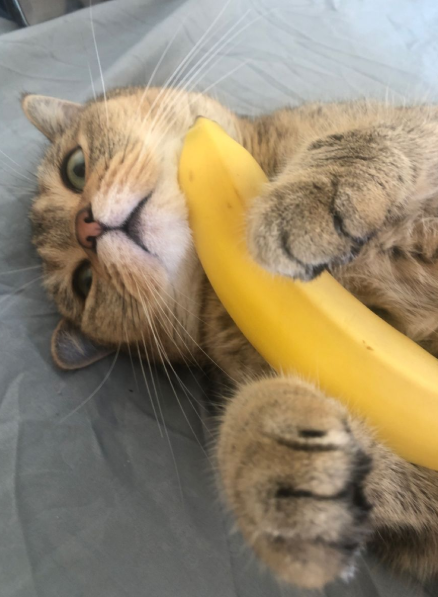
Why the Question Matters: Cats Are Not Small Humans
Cats are obligate carnivores. Their bodies are designed to thrive on a diet centered on animal protein, animal fat, and certain nutrients found primarily in meat. Unlike dogs or humans, cats have limited ability to process large amounts of plant material. Their digestive tract is shorter, their enzyme systems differ, and they lack some of the metabolic pathways that make fruits and vegetables useful for other species.
This biological reality does not mean cats can never eat plant foods. Many veterinarians agree that occasional small quantities of certain fruits and vegetables are harmless and can even provide variety or minor nutritional bonuses. Bananas fall into this category: safe in moderation, unnecessary as a staple, and potentially problematic if overfed. The key is portion size, frequency, and individual tolerance.
Are Bananas Toxic to Cats?
Bananas are not listed among toxic foods for cats by major veterinary organizations such as the ASPCA or the Pet Poison Helpline. There is no compound in ripe banana flesh that causes poisoning in the way that onions, garlic, grapes, or chocolate can. The fruit itself is generally recognized as non-toxic.
That said, “non-toxic” is not the same as “ideal.” Safety depends on how much is offered and how it is prepared. The peel, for example, is difficult to digest and can cause gastrointestinal blockage if swallowed in large pieces. Unripe bananas contain higher levels of resistant starch that may ferment in the gut and produce gas or loose stools. Overripe bananas are higher in simple sugars, which can lead to digestive upset or contribute to weight gain if given regularly.
In short, the flesh of a ripe banana is safe for most healthy adult cats when limited to a few small pieces on rare occasions. The peel should be discarded, and any banana product containing added sugar, chocolate, or xylitol must be avoided completely.
Nutritional Breakdown: What a Banana Actually Offers
A medium banana contains roughly 105 calories, 27 grams of carbohydrate (mostly sugar), 3 grams of fiber, and small amounts of protein and fat. It is a good source of potassium, vitamin B6, vitamin C, and manganese for humans. For cats the picture looks different.
Cats have very low requirements for carbohydrate. Their natural prey (mice, birds, insects) provides almost no plant sugar. Excess dietary sugar can contribute to obesity, dental issues, and, in predisposed cats, blood-sugar dysregulation. Potassium is useful, yet cats obtain ample amounts from meat-based diets. Vitamin C is synthesized by cats in their own bodies, so dietary sources are unnecessary. The fiber in banana can mildly support digestive regularity, but too much can cause diarrhea or constipation depending on the individual cat.
The calorie density also matters. A few bites of banana may represent a meaningful percentage of a small cat’s daily caloric needs. Regular treats of this type can easily tip the balance toward weight gain, especially in indoor cats with limited activity.
Potential Benefits of Banana for Cats
Despite the limitations, small amounts of banana can offer modest positives for some cats:
- Palatability and enrichment. Many cats enjoy the soft texture and mild sweetness. Offering a novel food can provide mental stimulation and strengthen the bond during treat time.
- Fiber contribution. A tiny amount of soluble fiber may help mild constipation in certain cats, though better fiber sources (such as pureed pumpkin) are usually preferred by veterinarians.
- Potassium boost. In rare cases where a cat has low potassium due to illness or medication, a small banana piece might supply a temporary increase. This should only occur under veterinary guidance.
- Hydration support. Banana contains water, and the moisture can be slightly helpful for cats that drink little, although wet food remains far superior for hydration.
These benefits are secondary and easily obtained from a complete, balanced commercial cat diet. Banana should never replace meat-based nutrition or prescribed veterinary diets.
Risks and Downsides of Feeding Banana
Several concerns arise when banana becomes more than an occasional nibble:
Digestive upset. Cats lack the digestive enzymes optimized for breaking down large quantities of fruit sugar and starch. Resulting symptoms can include vomiting, diarrhea, gas, or abdominal discomfort. Individual sensitivity varies widely; some cats tolerate a small piece with no issue, while others react strongly.
Sugar content and weight gain. The natural sugars in banana add empty calories. Over time, frequent treats contribute to obesity, which is linked to diabetes, joint problems, and reduced lifespan in cats.
Choking and obstruction risk. Large chunks or pieces of peel can lodge in the throat or intestines. Always mash or finely dice banana and supervise the first few times you offer it.
Allergic or intolerance reactions. Although uncommon, some cats may develop soft stools or skin itching after eating banana. Discontinue use if any adverse signs appear.
Interference with balanced nutrition. Filling a cat with fruit reduces appetite for essential animal protein and taurine-rich foods. Chronic displacement of proper nutrients is more harmful than any single banana episode.
Dental considerations. Sticky fruit residue can cling to teeth. While banana is not as problematic as sticky human candies, it is still wise to offer it sparingly and maintain regular dental care.
How to Safely Offer Banana to Your Cat
If you decide to try banana, follow these practical guidelines:
- Choose a ripe but not overripe banana. The flesh should be soft and yellow with minimal brown spots.
- Peel completely and discard the skin. Never offer the peel.
- Cut or mash a very small portion—think the size of a pea or two for an average adult cat. A teaspoon or less is a generous upper limit for most cats.
- Serve plain. No added sugar, honey, yogurt, chocolate, or other mix-ins.
- Offer as an occasional treat only—once a week or less frequently is a reasonable starting point.
- Introduce gradually. Watch for vomiting, diarrhea, or changes in appetite over the next 24 hours.
- Store any leftover mashed banana in the refrigerator and use within a day, or freeze small portions for later.
- Consider mixing a tiny amount into regular wet food if your cat is hesitant to try it alone.
Kittens, senior cats, and cats with existing health conditions (diabetes, kidney disease, inflammatory bowel disease, obesity) should generally avoid banana unless a veterinarian specifically approves it. Pregnant or nursing cats also need carefully controlled nutrition; novel treats are best postponed.
What to Do If Your Cat Eats Too Much Banana
Most cats that steal a larger piece or two will experience only mild, temporary digestive upset. Monitor for vomiting, diarrhea, lethargy, or refusal to eat. Provide access to fresh water and their regular food. If symptoms are severe, persist beyond 24 hours, or include blood in the stool or signs of pain, contact a veterinarian promptly. In rare cases of peel ingestion or very large quantities, imaging or supportive care may be needed to rule out obstruction.
Prevention is simpler than treatment. Keep bananas and other human foods out of reach, and educate household members about appropriate treats.
Common Myths About Cats and Bananas
Myth: Cats need fruit for vitamins.
Reality: Complete commercial cat foods already supply all required vitamins and minerals in bioavailable forms. Additional fruit is unnecessary.
Myth: Banana is a healthy low-calorie treat.
Reality: Relative to a cat’s size and caloric needs, banana is moderately calorie-dense and high in sugar.
Myth: All cats love banana.
Reality: Preference is highly individual. Some cats ignore it completely; others show mild interest. Never force a food a cat refuses.
Myth: Organic banana is significantly safer.
Reality: Organic status does not change the sugar or fiber content that matters most for cats. Washing conventional bananas is sufficient if the peel is discarded.
Myth: Banana helps with hairballs.
Reality: There is no strong evidence supporting this claim. Proven hairball remedies and regular grooming are more effective.
Better Alternatives to Banana for Cat Treats
If you want to offer plant-based variety, safer and more commonly recommended options include small amounts of cooked plain pumpkin, steamed green beans, or a few blueberries. Commercial cat treats formulated for feline nutrition remain the most reliable choice. Freeze-dried meat treats closely match a cat’s natural dietary preferences and provide higher protein with fewer carbohydrates.
Special Situations: Kittens, Seniors, and Medical Conditions
Kittens have higher protein and calorie needs for growth and less mature digestive systems. Novel fruits are best delayed until adulthood. Senior cats may have reduced digestive efficiency or concurrent diseases that make sugar and fiber changes riskier. Cats with diabetes should avoid banana because of its sugar content. Cats with chronic kidney disease already require careful phosphorus and potassium management; added fruit can complicate the balance. Always consult your veterinarian before introducing new foods to cats with diagnosed conditions.
The Bigger Picture: Treats in a Cat’s Diet
Treats of any kind, including banana, should make up no more than 10 percent of a cat’s daily caloric intake—and preferably far less. The foundation of health remains a high-quality, complete, and balanced cat food appropriate for the life stage. Regular veterinary check-ups, weight monitoring, and observation of stool quality and energy levels provide better feedback than any single treat choice.
Offering an occasional banana can be a harmless way to share a moment with your cat and satisfy curiosity. It should never become a dietary cornerstone or a substitute for proper nutrition.
FAQs
Can cats eat banana every day?
No. Daily feeding risks digestive upset and excess sugar intake. Limit to occasional small portions.
Is banana peel safe for cats?
No. The peel is tough, difficult to digest, and can cause intestinal blockage. Always remove it completely.
Can kittens have banana?
It is best to wait until they are adult cats on a stable diet. Kittens need carefully controlled nutrition for growth.
What if my cat has diarrhea after eating banana?
Stop offering the fruit and monitor. Provide water and regular food. If diarrhea continues more than a day or is severe, contact your veterinarian.
Are banana chips or dried banana safe?
Generally no. They are more concentrated in sugar, may contain added ingredients, and pose a higher choking risk.
Can cats eat banana with peanut butter?
Avoid this combination. Many peanut butters contain xylitol (toxic to pets) or excess salt and sugar. Plain banana is preferable if offered at all.
Does banana help cats with constipation?
A very small amount of fiber might help mild cases, but pureed pumpkin is usually a better-researched option. Consult your vet for persistent constipation.
How much banana can an average adult cat safely eat?
A pea-sized piece to a maximum of about one teaspoon, offered infrequently. Adjust downward for smaller cats.
Is green or unripe banana okay?
Not recommended. Higher resistant starch can cause more gas and digestive discomfort.
Can diabetic cats have banana?
Usually not. The sugar content makes it unsuitable. Follow your veterinarian’s dietary recommendations strictly.
What human fruits are safer alternatives?
Small amounts of blueberries, seedless watermelon (no rind), or cooked pumpkin are often better tolerated. Always introduce one at a time in tiny quantities.
My cat stole a whole banana—what now?
Monitor closely for vomiting, diarrhea, lethargy, or abdominal pain. Contact a veterinarian or pet poison hotline for guidance based on the amount eaten and your cat’s size.
Do indoor cats need fruit treats for variety?
No. High-quality commercial food plus interactive play and environmental enrichment meet their needs more effectively than plant-based treats.
Can banana cause allergic reactions in cats?
True allergies are rare, but intolerances leading to soft stools or mild gastrointestinal signs can occur. Discontinue if any reaction appears.
Conclusion
Cats can have banana, but only in the strictest sense of the word “can.” The fruit is non-toxic, and a tiny, occasional piece of ripe flesh is unlikely to harm a healthy adult cat. At the same time, bananas offer little nutritional value that a cat cannot obtain more appropriately from meat-based sources, and their sugar and carbohydrate content make them a poor choice for regular feeding.
The wisest approach is restraint and observation. If your cat shows interest and tolerates a pea-sized amount without digestive consequences, you may continue offering it sparingly as a novel treat. If your cat ignores banana or develops any signs of upset, there is no reason to persist. In either case, the foundation of feline health remains a complete and balanced diet formulated for cats, regular veterinary care, clean water, and an environment that supports natural behaviors.
Sharing food can feel like an act of affection, yet the most affectionate choice is often the one that prioritizes long-term well-being over momentary novelty. A cat that receives proper nutrition, appropriate treats, and attentive care will thrive far more than one whose diet is shaped by human snack preferences. Keep the banana for yourself most of the time, and when you do share a tiny piece, do so with knowledge, moderation, and a clear understanding of what your obligate carnivore truly needs.