Pomeranian Colors: The Complete Guide to the Rainbow of Coat Colors and Patterns
Pomeranians are famous for their fox-like faces, plumed tails, and outgoing personalities, but one of their most captivating features is the extraordinary range of coat colors and patterns they display. Few dog breeds offer as many recognized and emerging color variations as the Pomeranian. From classic orange and black to rare blues, beavers, and parti-colors, the breed is a living palette. This comprehensive article explores Pomeranian colors in depth: the genetics behind them, detailed descriptions of common and rare colors, patterns such as sable and merle, how colors change from puppyhood to adulthood, health and ethical considerations, grooming notes, and practical advice for owners and prospective buyers. Whether you are drawn to a bright orange Pom or a striking blue merle, understanding color will help you make informed decisions and appreciate the breed’s diversity.
Check Also: Pet Lovia
The Amazing Variety of Pomeranian Colors
The American Kennel Club (AKC) and other major registries accept a wide spectrum of colors for Pomeranians. Unlike some breeds with limited color standards, Pomeranians may appear in solid colors, clear colors, sable patterns, tan-point patterns, and parti-color combinations. This variety stems from the breed’s history as a miniaturized northern spitz-type dog and from decades of selective breeding for companion aesthetics.
Color in Pomeranians is controlled by multiple genes that interact in complex ways. Key genetic factors include the base color genes, the dilution gene, the sable/agouti series, the spotting gene, and modifier genes that influence intensity and pattern. Because many genes are involved, even experienced breeders can be surprised by the final adult color of a puppy.
Common and Recognized Pomeranian Colors
Orange and Orange Sable
Orange is one of the most popular and classic Pomeranian colors. It ranges from light apricot to deep, vibrant orange. Orange sable dogs have black-tipped guard hairs that give a shaded appearance, often darker on the back and lighter on the legs, chest, and ruff. Many orange Pomeranians are born with darker masks or shading that lightens with maturity.
Red and Red Sable
Red is a deeper, richer version of orange. True reds are intense and eye-catching. Red sable follows the same tipped-hair pattern as orange sable but on a deeper base. These colors often become more brilliant as the adult coat comes in.
Black
Solid black Pomeranians have a glossy, solid black coat with dark eyes and pigment. Black is genetically dominant in many combinations and can appear dramatic against the breed’s characteristic ruff and plumed tail.
Black and Tan
This pattern features a black body with tan points on the eyebrows, muzzle, chest, legs, and under the tail—similar to the classic Doberman or Rottweiler points. The contrast is striking on a small dog.
Chocolate (Brown) and Chocolate Sable
Chocolate Pomeranians have warm brown coats ranging from milk chocolate to deep liver. Nose, eye rims, and pads are also brown rather than black. Chocolate sable shows lighter undercoat with darker-tipped hairs. Chocolate is recessive and requires both parents to carry the gene.
Blue and Blue Sable
Blue is a dilute of black, producing a steel-gray or slate-blue coat. Blue Pomeranians have blue-gray noses and pigment. Blue sable combines the dilute with the sable pattern. Dilute colors can be prone to color dilution alopecia in some individuals, so careful breeding is important.
Cream and Cream Sable
Cream ranges from pale ivory to a soft yellow-cream. Clear creams have minimal shading, while cream sables show light tipping. Many cream puppies are born darker and lighten significantly.
White
Pure white Pomeranians have no color other than white. True white is different from extreme piebald or very light cream. White dogs should still have dark eye rims and noses for preferred pigment in most standards.
Wolf Sable
Wolf sable is a distinctive pattern with banded hairs that create a grayish, wolf-like appearance. It often includes darker tipping and a lighter undercoat, giving a wild, shaded look.
Beaver
Beaver is a dilute of chocolate, producing a soft, taupe or beige-brown color with diluted pigment. It is less common and often sought after for its unique muted tone.
Check Also: Best Friends Pet Care
Patterns Beyond Solid Colors
Sable
Sable is one of the most frequent patterns in Pomeranians. Guard hairs are tipped with black (or dilute pigment), creating a shaded or “wild” appearance. The amount of tipping varies widely.
Parti-Color and Piebald
Parti-color Pomeranians have a white base with irregular patches of another color (orange, black, chocolate, etc.). Extreme piebald dogs are mostly white with minimal color patches. The spotting gene controls the amount of white.
Tan Points
Seen in black and tan, chocolate and tan, and blue and tan dogs. The points are typically located in specific areas and create sharp contrast.
Merle
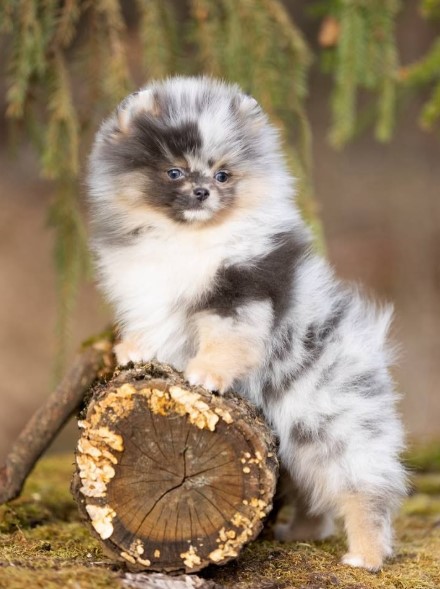
Merle produces mottled patches of color and is controversial in Pomeranians. Blue merle and chocolate merle exist, but merle is not accepted in the AKC breed standard and carries health risks. Breeding two merles together can produce double-merle puppies with a high chance of deafness, blindness, or both. Many responsible breeders avoid merle entirely.
Brindle
Brindle appears as stripes of darker color over a lighter base. It is rare in Pomeranians and not always stable.
How Pomeranian Colors Change with Age
One of the most important things new owners must understand is that Pomeranian puppies often look very different as adults. Many puppies are born with darker coats, masks, or more extensive shading that lightens or shifts during the first one to two years. The “puppy uglies” stage, when the coat transitions from puppy fluff to adult coat, can also alter the appearance of color and pattern. Orange puppies may deepen or lighten, sable tipping may become more or less pronounced, and cream dogs frequently lighten dramatically. Buyers should never choose a puppy based solely on its color at eight weeks.
Rare and High-Demand Colors
Colors such as blue, beaver, lavender (a double dilute), and certain merles often command higher prices because they are less common. Higher price does not equal better health or temperament. In fact, the demand for rare colors has sometimes encouraged breeding practices that prioritize appearance over health testing, structural soundness, and temperament. Prospective owners should treat rare color as a secondary consideration at best.
Color, Health, and Ethics
Most Pomeranian colors have no direct impact on health. Exceptions include:
- Dilute colors (blue, beaver, lilac) carry a risk of color dilution alopecia in some lines.
- Merle, especially double merle, carries significant risks of sensory impairments.
- Extreme white or poorly pigmented dogs may have a higher chance of hearing issues in certain genetic combinations, though this is less common than in some other breeds.
Ethical breeders focus first on health testing (patellas, eyes, heart, trachea, and relevant genetic panels), temperament, and correct structure. Color should never be the primary breeding goal. Reputable breeders are transparent about the genetics of their lines and avoid producing double merles or repeatedly breeding dogs with known dilute-related skin problems.
Grooming and Color
Coat care is similar across colors, but lighter colors may show dirt more readily and darker colors may show dandruff or dryness more clearly. Regular brushing, occasional baths with quality products, and protection from excessive sun (which can fade some colors) help maintain coat appearance. The thick double coat of the Pomeranian requires consistent maintenance regardless of color.
Choosing a Pomeranian by Color
While color preference is personal, the best approach is to select a healthy, well-tempered puppy or adult from responsible sources and treat color as a bonus. Visit breeders who health-test, ask about the color history of the parents, and request photos of adult relatives when possible. Adoption is also an excellent option—many wonderful Pomeranians of all colors need homes.
FAQs
1. What is the most common Pomeranian color?
Orange and orange sable are among the most frequently seen colors.
2. Do Pomeranian colors change as they grow?
Yes, often significantly. Many puppies lighten or shift pattern as they mature.
3. Are blue Pomeranians rare?
They are less common than orange or black and often more expensive, but availability has increased with demand.
4. Is merle accepted in Pomeranians?
Merle is not accepted in the AKC breed standard and carries health risks when poorly managed.
5. Does coat color affect a Pomeranian’s personality?
No. Personality is influenced by genetics, upbringing, and environment, not coat color.
6. What is a beaver Pomeranian?
Beaver is a dilute chocolate color, producing a soft taupe or beige coat with diluted pigment.
7. Are white Pomeranians deaf more often?
Pure white alone does not guarantee deafness, but certain genetic combinations involving extensive white can increase risk in some breeds. Responsible breeding reduces this concern.
8. Why are some Pomeranian colors more expensive?
Rarity and current demand drive price, not inherent superiority.
9. Can two orange Pomeranians produce a black puppy?
Yes, depending on the hidden genes each parent carries.
10. Should I choose a Pomeranian based on color?
Color can be a preference, but health, temperament, and ethical breeding should always come first.
Conclusion
Pomeranian colors offer one of the most delightful ranges in the dog world, from classic oranges and blacks to delicate creams, rich chocolates, and striking parti combinations. Understanding the genetics, the likelihood of color change with maturity, and the ethical issues surrounding rare or dilute colors allows owners to appreciate this diversity responsibly. A Pomeranian’s value lies far more in its health, temperament, and the bond it forms with its people than in the shade of its coat. By choosing breeders who prioritize well-being over trends and by providing excellent care regardless of color, you can enjoy the full charm of this spirited breed. Whether your Pom is a bright orange ambassador or a soft cream companion, the true beauty of the Pomeranian shines through its lively personality and devoted heart.