Miniature Poodle Puppy: The Complete Guide to Raising a Smart, Stylish Companion
Miniature Poodle puppies rank among the most intelligent, adaptable, and endearing small dogs available. With their curly coats, expressive eyes, and eager-to-please personalities, these puppies quickly win hearts. Yet the same traits that make them so appealing—high intelligence, continuous-growing coats, and sensitive natures—also mean they require informed, consistent care from day one.
This comprehensive guide covers everything prospective and new owners need to know about Miniature Poodle puppies. It explores the breed’s history and size standard, temperament and trainability, grooming demands, exercise and mental stimulation needs, health considerations, feeding, socialization, house-training, common challenges, and how to choose a responsible source. Whether you are preparing for your first Mini Poodle or refining your puppy-raising approach, this article provides practical, detailed guidance.
What Is a Miniature Poodle?
The Poodle is an ancient breed with roots in Germany and strong development in France, originally used as a water retriever. Over time, three size varieties were standardized: Standard, Miniature, and Toy. The Miniature Poodle sits in the middle.
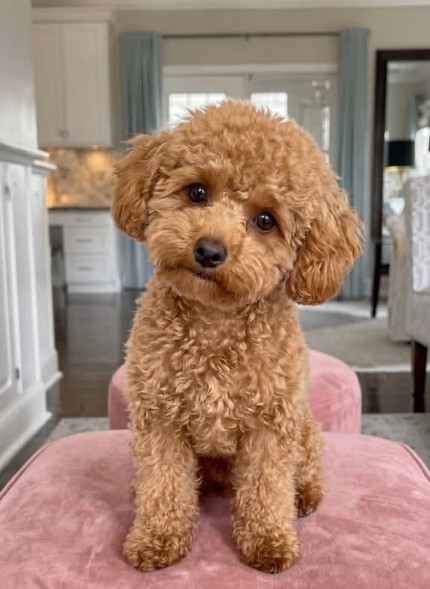
According to major kennel clubs, Miniature Poodles stand more than 10 inches and no more than 15 inches at the highest point of the shoulders. Most adults weigh between 10 and 15 pounds. They share the same elegant proportions, dense curly coat, and keen intelligence as their larger and smaller cousins, simply in a more compact package.
Colors are varied and include black, white, apricot, cream, red, silver, blue, brown, café au lait, and more. The coat is single-layered and continuously growing, which contributes to the low-shedding reputation that attracts many allergy-conscious owners.
Temperament of a Miniature Poodle Puppy
Miniature Poodle puppies are typically bright, affectionate, playful, and highly attuned to their people. They rank among the most trainable of all breeds and often learn new cues in just a few repetitions when motivated by positive reinforcement. They tend to be social, good with children when properly introduced and supervised, and capable of getting along with other pets.
Because they are so intelligent and people-oriented, they thrive on interaction and can become bored or anxious if left alone for long periods without enrichment. Some individuals are more sensitive or reserved; early, positive socialization helps them develop confidence. They can be vocal, alerting to sounds or changes in the environment, though excessive barking is usually manageable with training.
Overall, a well-bred, well-socialized Miniature Poodle puppy grows into a versatile companion suitable for apartments, houses, active singles, and families who can meet the breed’s mental and grooming needs.
Preparing for Your Miniature Poodle Puppy
Before your puppy comes home, set up a supportive environment:
- Choose a correctly sized crate for secure rest and house-training.
- Puppy-proof the home—secure cords, remove toxic plants, block off unsafe areas.
- Gather essentials: high-quality puppy food, shallow bowls, a harness and lightweight leash, appropriate toys, a soft brush and comb, and cleaning supplies for accidents.
- Locate a groomer experienced with Poodle coats and book an initial appointment.
- Identify a veterinarian and schedule a wellness exam shortly after arrival.
- Plan a consistent daily schedule for feeding, potty breaks, play, training, and rest.
Many experts also recommend considering pet insurance early, given the potential for hereditary conditions and the costs of regular professional grooming.
Feeding a Miniature Poodle Puppy
Feed a high-quality, AAFCO-approved puppy food formulated for small breeds. These diets account for faster metabolisms and the risk of hypoglycemia in very small dogs. Follow age- and weight-based guidelines on the package and adjust according to your veterinarian’s advice and the puppy’s body condition.
Young puppies typically need three to four measured meals per day. Transition gradually to two meals as they mature. Avoid free-feeding. Fresh water should always be available. Monitor weight closely—obesity stresses joints and can shorten lifespan. Treats should remain a small percentage of daily calories and can be used effectively for training.
Exercise and Mental Stimulation
Miniature Poodles are energetic for their size and need daily physical activity plus substantial mental work. Aim for 40–60 minutes of exercise broken into walks, play sessions, and interactive games. They enjoy fetch, short hikes, agility foundations, and puzzle toys.
Because they are highly intelligent, mental stimulation is just as important as physical exercise. Training sessions, scent games, food puzzles, and learning new tricks help prevent boredom-related behaviors such as excessive barking or destructive chewing. Puppies need carefully managed activity to protect growing joints—avoid excessive forced running or repetitive high-impact exercise until growth plates close.
Grooming: The Defining Commitment
The continuously growing curly coat is the biggest ongoing responsibility of Miniature Poodle ownership.
- Brush and comb the coat every two to three days (more often during humid weather or coat changes) to prevent mats that form close to the skin.
- Professional grooming every 4–8 weeks is standard. A typical appointment includes bathing, thorough drying, clipping or scissoring, ear cleaning and plucking, nail trimming, and sanitary trimming. Costs vary by location but often fall in the $60–$100+ range per visit.
- Clean ears regularly; hair growth inside the canal can trap moisture and lead to infections.
- Wipe eyes as needed to manage tear staining.
- Brush teeth daily if possible—small breeds are prone to dental disease.
- Trim nails frequently.
Popular pet clips include the puppy clip (uniform short length) and sporting or lamb clips, which are easier to maintain between appointments than elaborate show styles. Starting gentle handling and brushing early makes lifelong grooming much easier.
Never shave a Poodle down to the skin routinely unless medically necessary; the coat provides protection and insulation.
Training and Socialization
Miniature Poodle puppies excel at training when sessions are positive, short, and varied. Use food rewards, praise, and play. Begin with name recognition, crate training, house-training, sit, come, leave it, and loose-leash walking. Progress to more advanced skills, tricks, or dog sports as the puppy matures.
Socialization during the critical early window (and continuing afterward) is essential. Expose the puppy positively to different people, dogs, surfaces, sounds, environments, and handling. Puppy classes provide structured socialization and basic manners in a controlled setting.
Consistency across the household prevents confusion. These smart dogs notice patterns and will exploit inconsistency.
Health Considerations
Miniature Poodles are generally long-lived, with many reaching 13–16 years or more when well cared for. However, they are predisposed to certain conditions:
- Progressive retinal atrophy (PRA) and other eye issues
- Patellar luxation
- Hip dysplasia and Legg-Calvé-Perthes disease
- Epilepsy
- Addison’s disease
- Dental disease
- Allergies or skin sensitivities
- Hypothyroidism in some lines
Responsible breeders perform health testing on parent dogs, including eye exams, patella evaluations, hip evaluations where appropriate, and DNA tests for PRA and other relevant conditions. Ask for documentation. Maintain a healthy weight, keep up with dental care, schedule regular veterinary check-ups, and monitor for changes in vision, gait, or energy.
House-Training and Common Puppy Challenges
Miniature Poodle puppies can be quick learners for house-training when a consistent schedule, frequent potty opportunities, and positive reinforcement are used. Crate training supports the process. Accidents should be cleaned thoroughly without punishment.
Common challenges include mouthing, jumping, excessive barking if under-stimulated, and sensitivity to being left alone. Address these early with redirection, enrichment, and gradual alone-time training. Their intelligence means they can learn unwanted behaviors as quickly as desired ones if boundaries are unclear.
Living with a Miniature Poodle Puppy
These dogs adapt well to apartment living if exercised and mentally stimulated. They thrive on companionship and prefer to be involved in family activities. They are generally good with respectful children and can live harmoniously with other pets when socialized.
Because of their size, they can be vulnerable to injury from rough play or falls from furniture. Supervise interactions and consider ramps or steps. They enjoy moderate climates but should be protected from extreme heat or cold.
Pros and Cons of Miniature Poodle Puppies
Pros
- Exceptional intelligence and trainability
- Low shedding (often better tolerated by allergy sufferers)
- Affectionate and people-oriented
- Adaptable to various living situations
- Long lifespan potential
- Versatile—companionship, sports, therapy work
Cons
- High grooming time and expense
- Can develop separation anxiety
- Needs substantial mental stimulation
- Potential hereditary health issues
- May be vocal
- Not ideal for households seeking a truly low-maintenance dog
Choosing a Miniature Poodle Puppy
Seek breeders who health-test extensively, raise puppies with socialization, provide transparent information, and offer ongoing support. Visit the environment if possible, meet at least one parent, and review health clearances. Be wary of extremely low prices or sellers who cannot provide documentation.
Rescue organizations occasionally have Miniature Poodles or Poodle mixes available. Adult dogs can be wonderful options with known temperaments.
Frequently Asked Questions
How big do Miniature Poodle puppies get?
Adults typically stand 10–15 inches at the shoulder and weigh 10–15 pounds.
Are Miniature Poodles hypoallergenic?
They are low-shedding and often better tolerated by people with mild allergies, but no dog is completely hypoallergenic.
How much exercise does a Mini Poodle puppy need?
Age-appropriate play and short walks, building to about 40–60 minutes of daily activity plus mental stimulation as an adult.
How often do they need professional grooming?
Every 4–8 weeks for most pet clips, combined with frequent home brushing.
Are they good with children?
Yes, when socialized and supervised. Their size means interactions with very young children should be monitored.
What health tests should parents have?
Eye exams, patella evaluations, relevant DNA tests (including PRA), and other screenings recommended for the breed.
How long do Miniature Poodles live?
Often 13–16 years or longer with good care; the broader range is commonly listed as 10–18 years.
Do they bark a lot?
They can be alert barkers. Training and sufficient exercise and mental work help keep barking manageable.
Can they live in apartments?
Yes, provided their exercise, training, and companionship needs are met.
Are Miniature Poodles easy to train?
Yes—they are among the most trainable breeds when positive reinforcement and consistency are used.
Conclusion
A Miniature Poodle puppy offers the rare combination of high intelligence, affectionate companionship, and a low-shedding coat in a convenient size. These qualities have made the variety a favorite for families, individuals, and people seeking a versatile, long-lived companion. At the same time, the breed’s continuously growing coat, need for mental engagement, and potential hereditary health issues require genuine commitment.
Success with a Mini Poodle rests on choosing a responsibly bred puppy when possible, investing in early socialization and positive training, maintaining a rigorous grooming routine, providing daily physical and mental outlets, and staying proactive about veterinary care. When those foundations are in place, a Miniature Poodle often becomes a deeply bonded, entertaining, and remarkably responsive member of the family for many years.
If you are prepared for the grooming demands and the intellectual partnership these dogs offer, a Miniature Poodle puppy can bring lasting joy, loyalty, and liveliness into your home. Take time to research, ask questions, prepare your environment, and commit to meeting the breed’s needs. The reward is a smart, stylish, and devoted companion who thrives on the life you share together.