Bichon Frise Poodle Mix (Poochon): The Complete Guide to This Adorable Designer Dog
The Bichon Frise Poodle mix, most commonly known as the Poochon, Bichpoo, or Bichon Poo, is a small designer hybrid created by crossing a Bichon Frise with a Toy or Miniature Poodle. This combination produces a cheerful, intelligent, low-shedding companion that appeals to apartment dwellers, allergy sufferers, families, and first-time dog owners who can commit to regular grooming and training. With their fluffy, teddy-bear appearance, playful personality, and people-oriented nature, Poochons have become one of the more popular “doodle-type” mixes in recent decades.
Check Also: Pet Lovia
This comprehensive guide covers everything you need to know about the Bichon Frise Poodle mix: origins, size and appearance, temperament, exercise and training needs, grooming demands, health considerations, suitability for different households, and practical ownership advice. Whether you are researching the breed before bringing a puppy home or simply want accurate information, the details below will help you understand what life with a Poochon is really like.

What Is a Poochon?
A Poochon is a cross between a Bichon Frise and a Poodle (almost always a Toy or Miniature Poodle rather than a Standard). The goal of the cross is to combine the Bichon’s cheerful, affectionate temperament and compact size with the Poodle’s intelligence, trainability, and low-shedding curly coat. Like other designer hybrids, Poochons are not recognized as a purebred by major kennel clubs. Traits can vary depending on which parent the individual dog takes after more strongly and on the generation (F1, F1b, multigenerational).
The mix first gained noticeable popularity in the 1990s and 2000s as demand grew for small, companionable, allergy-friendly dogs. Today Poochons are widely available from specialty breeders and occasionally through rescues.
Size and Appearance
Poochons are small dogs. Most adults stand 9 to 15 inches at the shoulder and weigh between 6 and 18 pounds, though some individuals from Miniature Poodle lines can reach the higher end of that range or slightly beyond. They have a compact, light, and agile build rather than a stocky one.
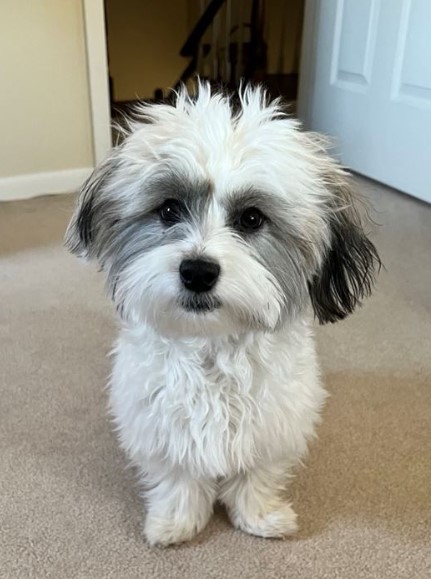
The coat is typically curly or wavy, soft, and dense. Colors commonly include white, cream, apricot, red, black, silver, gray, and various combinations. Many Poochons have a rounded, teddy-bear face with dark expressive eyes and a black nose. The overall look is often described as fluffy and charming, which contributes heavily to the breed’s popularity.
Because the coat grows continuously like that of both parent breeds, regular professional grooming is required to keep it neat and free of mats.
Temperament and Personality
Poochons are generally cheerful, affectionate, playful, and highly people-focused. They inherit the Bichon’s clownish, social nature and the Poodle’s sharp intelligence and eagerness to please. Most are friendly with family members, visitors, children (with supervision), and other pets when properly socialized. They thrive on companionship and often want to be involved in whatever their people are doing.
These dogs can be sensitive and may develop separation anxiety if left alone for long periods without gradual training. Some individuals are more vocal and will alert-bark at sounds or strangers. Early training and sufficient mental stimulation help keep barking under control. Overall, the Poochon tends to be a happy, interactive companion that forms strong bonds with its household.
Exercise and Mental Stimulation
Despite their small size, Poochons have moderate energy levels and need daily activity. Most do well with 30 to 60 minutes of exercise per day, which can include walks, indoor play, and short training sessions. They enjoy games of fetch, puzzle toys, and interactive play that engages both body and mind.
Because they are intelligent, mental stimulation is just as important as physical exercise. Without enough engagement, a Poochon may become bored and develop unwanted behaviors such as excessive barking or destructive chewing. Short training sessions, scent games, and rotating toys help keep them content. They adapt well to apartment living as long as their exercise and companionship needs are met.
Training a Poochon
Poochons are highly trainable thanks to the Poodle’s intelligence and the Bichon’s desire to please. Positive reinforcement methods—using treats, praise, and play—work best. They learn basic obedience, tricks, and household manners relatively quickly when training is consistent and upbeat.
Early socialization is important. Expose the puppy to different people, places, sounds, and other animals in a positive way during the critical developmental window. Housetraining can take patience with small breeds, so crate training and a consistent schedule help. Address any tendency toward barking or separation anxiety early with proper management and training rather than punishment.
Grooming Requirements
Grooming is one of the most significant ongoing commitments with a Poochon. The curly or wavy coat mats easily if neglected. Most owners need to:
- Brush the coat several times per week (daily for longer styles) using a slicker brush and metal comb
- Schedule professional grooming every 4 to 8 weeks for bathing, trimming, nail care, and ear cleaning
- Clean the ears regularly, as the hair and shape of the ears can trap moisture
- Maintain dental care, as small breeds are prone to dental disease
- Monitor for tear staining, which is common in light-colored individuals
Many owners keep their Poochon in a shorter “puppy clip” or teddy-bear trim to reduce daily brushing while preserving the cute appearance. The low-shedding nature of the coat is a major advantage for allergy sufferers and for keeping the home cleaner, but it does not eliminate the need for regular coat maintenance.
Health Considerations
As a hybrid, the Poochon may benefit from hybrid vigor, but it can still inherit health issues from either parent breed. Common concerns include:
- Patellar luxation (kneecap slipping)
- Dental disease
- Eye conditions such as progressive retinal atrophy or cataracts
- Allergies and skin issues
- Ear infections
- Addison’s disease (more associated with Poodles)
- Legg-Calvé-Perthes disease in some small dogs
Responsible breeders health-test parent dogs and provide documentation. Regular veterinary care, dental cleanings, weight management, and prompt attention to any signs of lameness, eye changes, or skin problems support a longer, healthier life. Lifespan is typically 12 to 15 years, with some individuals living longer.
Suitability for Different Households
Poochons often do well in:
- Apartments and smaller homes
- Families with older children who understand gentle handling
- Households with other pets (with proper introductions)
- Homes of people with mild allergies (though no dog is completely hypoallergenic)
- Owners who can provide daily companionship and grooming
They are less ideal for people who are away from home for very long hours every day, those unwilling to invest in regular professional grooming, or households with very young children who may handle a small dog roughly.
Finding a Poochon
Look for breeders who health-test the parent dogs, raise puppies in a home environment with early socialization, and offer contracts and ongoing support. Prices vary by location and breeder reputation but often range from several hundred to a few thousand dollars. Adoption through breed-specific or all-breed rescues is another excellent option and can provide a loving home to a dog in need.
Avoid sellers who cannot provide health information, who offer very young puppies, or who prioritize extreme size or rare colors over health and temperament.
Frequently Asked Questions
How big does a Poochon get?
Most adults stand 9–15 inches tall and weigh 6–18 pounds, depending on whether a Toy or Miniature Poodle was used in the breeding.
Do Poochons shed?
They are low-shedding. Loose hair is largely trapped in the curly coat and removed by brushing and grooming.
Are Poochons hypoallergenic?
They are often better tolerated by people with allergies than many other breeds, but no dog is 100% hypoallergenic.
How much exercise does a Poochon need?
About 30–60 minutes of daily activity plus mental stimulation is typical.
Are Poochons good with children?
Yes, when properly socialized and supervised. Their small size means interactions with very young children should be monitored carefully.
How often do they need professional grooming?
Every 4–8 weeks is common, along with regular home brushing.
Do Poochons bark a lot?
Some can be vocal. Training and sufficient exercise and mental stimulation help manage excessive barking.
What health problems should I watch for?
Patellar luxation, dental disease, eye issues, allergies, and ear infections are among the more common concerns.
How long do Poochons live?
Typically 12–15 years with good care.
Are they easy to train?
Yes. They are intelligent and usually eager to please when positive methods are used.
Can Poochons live in apartments?
Yes. Their small size makes them well-suited to apartment living as long as exercise and companionship needs are met.
Do they get along with other dogs and pets?
Most do when socialized properly from a young age.
Conclusion
The Bichon Frise Poodle mix, or Poochon, offers an appealing combination of small size, intelligence, affection, and a low-shedding coat that makes it a popular choice for many modern households. These dogs bring the cheerful, people-loving nature of the Bichon Frise together with the bright, trainable mind of the Poodle, resulting in a companion that thrives on interaction and can adapt to a variety of living situations.
Success with a Poochon depends on realistic expectations—particularly regarding the ongoing commitment to grooming, the need for daily companionship, and the importance of early training and socialization. Owners who are prepared to meet these needs are rewarded with a loyal, playful, and often deeply bonded little dog that can share their lives for many years.
Whether you are drawn to the fluffy teddy-bear look, the hypoallergenic qualities, or the lively yet manageable personality, the Poochon can be an excellent companion when matched with the right home. Choosing a puppy or adult from a responsible source and providing consistent care, training, and affection sets the foundation for a happy relationship with this charming designer mix. For those ready to invest the time and attention these small dogs require, the Bichon Frise Poodle mix often becomes a treasured member of the family.