Rare Kittens: A Complete Guide to the World’s Most Unique and Uncommon Cat Breeds
Rare kittens capture the imagination like few other pets. With striking appearances, unusual coats, distinctive features, and limited availability, these feline rarities stand apart from everyday domestic shorthairs and popular breeds such as Ragdolls or Maine Coons. Whether it’s the werewolf-like Lykoi, the wiry-coated American Wirehair, the pure-white Khao Manee with its jewel-like eyes, or the athletic hybrid Savannah, rare kittens represent the fascinating extremes of feline genetics, natural mutations, and selective breeding.
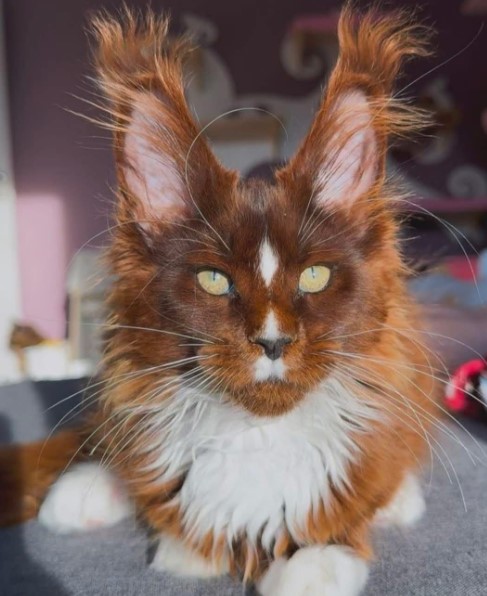
Yet rarity comes with important responsibilities. True rare breeds often have small gene pools, higher price tags, specialized care needs, and, in some cases, significant health or ethical considerations. This in-depth guide explores what makes a kitten rare, profiles some of the most uncommon breeds, discusses temperament and care requirements, addresses health and ethical issues, and provides practical advice for anyone considering bringing a rare kitten into their home. The goal is responsible appreciation—celebrating uniqueness while prioritizing animal welfare.
What Makes a Kitten “Rare”?
Rarity in cats is defined by several factors. According to organizations like the Cat Fanciers’ Association (CFA), some breeds rank among the least frequently registered each year. Low registration numbers often reflect limited breeding populations, geographic isolation of founding stock, or the relative newness of a breed still gaining recognition.
Natural mutations also drive rarity. Coat texture changes (wiry, curly, or sparse “werewolf” patterns), unusual eye colors, taillessness, or partial hairlessness can appear spontaneously and then be carefully preserved through selective breeding. Hybrid breeds, such as those with recent wild ancestry (e.g., Savannahs descended from servals), remain uncommon due to complex breeding logistics, legal restrictions in some regions, and high costs.
Designer or experimental breeds and specific color variations (such as cinnamon Sphynx) further contribute to scarcity because the required recessive genes appear infrequently. Finally, some historically significant breeds from specific regions, like the Sokoke from Kenya or the Khao Manee from Thailand, have never been widely exported or bred in large numbers outside their homelands.
It is important to note that “rare” does not automatically mean healthier, easier, or more desirable as a pet. Many rare breeds require experienced owners, specialized veterinary knowledge, and a long-term commitment that goes beyond the novelty of an unusual appearance.
Profiles of Notable Rare Cat Breeds and Their Kittens
American Wirehair
One of the rarest breeds recognized by the CFA, the American Wirehair originated from a spontaneous mutation on a New York farm. Every hair is crimped, hooked, or bent, creating a dense, springy, wiry coat that feels unique to the touch—even the whiskers are affected. Kittens may not fully show the wired coat at birth, and not every kitten in a litter inherits the trait strongly. These medium-sized cats are generally healthy, affectionate, playful, and adaptable. Lifespan typically ranges from 10–16 years or more with good care. Grooming is relatively straightforward since the coat resists matting.
LaPerm
Another American mutation breed, the LaPerm features soft, curly, or wavy fur that can range from tight ringlets to looser waves. Kittens are often born bald or sparsely coated and develop their signature curls as they mature. LaPerms are known for being affectionate, people-oriented, and playful. Their coats are surprisingly low-maintenance and less prone to matting than many longhaired breeds. They remain relatively uncommon, with dedicated but limited breeding programs.
Khao Manee
Meaning “white gem” in Thai, this ancient breed is prized for its pure white coat and striking eyes that may be blue, gold, or odd-eyed (one of each). Historically considered lucky and once reserved for royalty, the Khao Manee has only recently gained wider international recognition. Numbers remain low outside Thailand. These cats are typically active, intelligent, and social. Prospective owners should research breeders carefully due to limited availability.
Sokoke
Originating from the Arabuko-Sokoke forest in Kenya, the Sokoke is one of the rarest naturally occurring breeds. These athletic, spotted cats retain a somewhat wild appearance and high activity level. Worldwide populations are estimated in the low hundreds in some reports, with most breeding occurring in Europe and a handful of other countries. They need ample space, mental stimulation, and secure environments.
Lykoi (Werewolf Cat)
The Lykoi is a relatively new breed developed from a natural mutation that produces a sparse, roan coat with hairless areas around the eyes, muzzle, and sometimes other parts of the body, giving a distinctive “werewolf” appearance. The mutation is not related to the Sphynx hairlessness gene. Lykoi kittens are highly sought after for their unique look and typically friendly, curious, and interactive personalities. Responsible breeders emphasize health testing and careful socialization. Because the breed is still developing, litters are limited and waiting lists are common.
Savannah
Savannahs are hybrids resulting from crosses between domestic cats and African servals. Early-generation (F1–F2) kittens most closely resemble their wild ancestors—tall, long-legged, spotted, and energetic—and command the highest prices, sometimes ranging from several thousand to over $20,000 depending on generation and quality. Later generations (F4–F6 and beyond) are more domestic in temperament while retaining exotic looks. Legal restrictions exist in some areas, and these cats require experienced owners who can provide high levels of enrichment, space, and secure housing. Temperament can be bold and dog-like.
Other Noteworthy Rarities
- American Bobtail: Short or bobbed tail from a natural mutation; sturdy, intelligent, and dog-like in personality.
- Turkish Van / Turkish Angora: Historic breeds with elegant appearances; the Van is famously water-loving.
- Ojos Azules: Extremely rare blue-eyed mutation that can appear with any coat color; population is tiny.
- Egyptian Mau: Naturally spotted, elegant, and one of the faster domestic breeds; low registration numbers in some registries.
- Sphynx color variants (e.g., cinnamon): Already uncommon hairless cats made rarer by specific recessive colors.
- Peterbald and other hairless or semi-hairless breeds: Distinct from Sphynx in origin and coat expression.
Temperament and Personality of Rare Kittens
Rare does not mean aloof or difficult. Many uncommon breeds are highly people-oriented. Lykoi, LaPerms, American Wirehairs, and Khao Manees often form strong bonds with their families. Savannahs and Sokokes tend toward high energy and curiosity, thriving with interactive play and climbing opportunities. Individual personality always varies more than breed stereotypes, especially in breeds with limited gene pools where careful selection by breeders plays a large role.
Socialization from an early age is critical for any kitten and particularly important for rarer breeds that may have higher activity or novelty-seeking drives. Early positive exposure to people, handling, household sounds, and (when appropriate) other pets helps produce confident adults.
Care Requirements for Rare Kittens
Care needs vary widely by breed:
- Coat and skin care: Wirehairs and LaPerms need regular but simple grooming. Hairless or sparsely coated cats (Sphynx variants, some Lykoi, Peterbald) require regular bathing to manage skin oils, protection from sun and cold, and attention to ear and nail care.
- Activity and enrichment: High-energy breeds such as Savannahs, Sokokes, and many active rarities need vertical space, puzzle feeders, interactive toys, and daily play sessions. Under-stimulated cats may develop behavioral issues.
- Diet and health monitoring: High-quality nutrition appropriate to age and activity level is essential. Some breeds benefit from specialized diets or closer monitoring for breed-predisposed conditions.
- Environment: Secure housing is non-negotiable for hybrid or highly athletic breeds that may be escape artists or stronger hunters.
All kittens, rare or common, need appropriate veterinary care, vaccinations, parasite control, and spay/neuter (unless part of a responsible breeding program). Locating a veterinarian experienced with the specific breed or with exotic/hybrid cats is advisable for less common varieties.
Health Considerations and Ethical Breeding
Small breeding populations can increase the risk of inherited conditions if not carefully managed. Responsible breeders perform relevant health testing (for example, cardiac screening for hypertrophic cardiomyopathy in many breeds, genetic tests where available, and orthopedic evaluations). Some traits associated with rarity carry welfare concerns: folded ears in Scottish Folds are linked to osteochondrodysplasia affecting cartilage throughout the body; extreme dwarfism in Munchkins raises skeletal concerns; certain hybrid early generations may present management challenges.
Ethical considerations extend beyond health testing. Prospective owners should seek breeders who prioritize temperament and welfare over extreme appearance, maintain transparent practices, provide health guarantees, allow facility visits (or virtual equivalents), and take lifelong responsibility for the cats they produce. Avoid supporting operations that prioritize volume, novelty, or maximum profit at the expense of the animals.
Adoption remains a valuable option. Unusual appearances occasionally appear in shelter and rescue populations, and many wonderful cats of mixed or unknown ancestry offer unique looks without the higher costs or potential issues of rare purebreds. When purchasing, verify registrations, health documentation, and the breeder’s reputation through independent sources.
Cost and Availability
Prices for rare kittens vary dramatically. More established uncommon breeds may range from roughly $1,000–$3,000 or higher from reputable breeders. Early-generation hybrids and extremely limited breeds can reach tens of thousands of dollars. Ongoing costs include specialized care, potential higher veterinary expenses, and enrichment. Availability often involves waiting lists, deposits, and geographic limitations.
Frequently Asked Questions
Are rare kittens harder to care for than ordinary cats?
Not necessarily, but many have specific needs related to coat, activity level, or health monitoring. Research the individual breed thoroughly.
Is it better to adopt or buy a rare kitten?
Adoption is often the most ethical first choice and can yield uniquely appearing cats. For a specific rare purebred, work only with highly reputable, health-testing breeders.
Why are some rare kittens so expensive?
Limited breeding numbers, specialized care of breeding cats, health testing, low litter frequency (especially in hybrids), and demand all contribute to higher prices.
Do rare breeds have more health problems?
Some do because of small gene pools or the nature of the defining mutation. Others are relatively robust. Health testing and responsible breeding practices make a major difference.
Are hybrid cats like Savannahs legal everywhere?
No. Regulations vary by country, state, and locality. Always check local laws before considering a hybrid.
How can I find a reputable breeder of a rare breed?
Look for registration with major associations (CFA, TICA, etc. where applicable), evidence of health testing, willingness to answer detailed questions, references, and a focus on the cats’ long-term welfare rather than quick sales.
Can mixed-breed cats look rare?
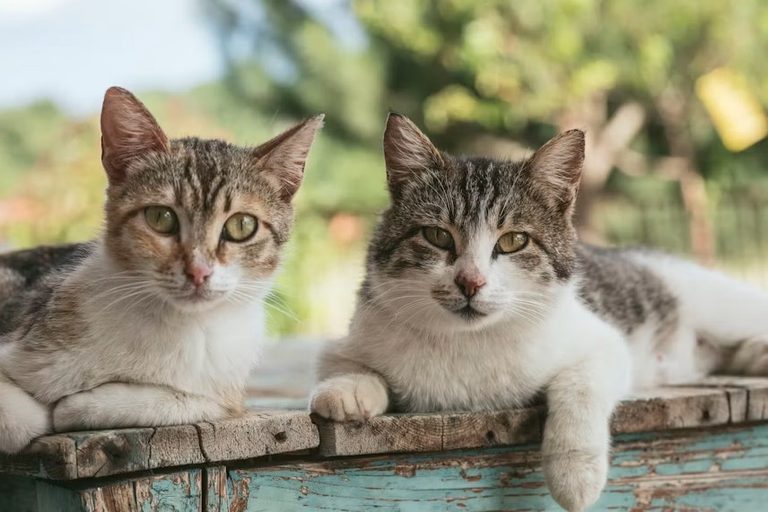
Yes. Unique coat patterns, colors, and features appear regularly in domestic mixed-breed populations and rescues.
What should I prepare before bringing a rare kitten home?
Secure environment, appropriate litter and feeding setup, enrichment, a carrier, a first veterinary appointment scheduled, and realistic expectations about time and commitment.
Do rare kittens make good family pets?
Many do when matched to the household’s activity level and experience. High-energy or highly social breeds suit interactive families; some rarities prefer quieter homes.
Is the novelty of a rare kitten worth it?
Only if you are prepared for the full responsibility of the individual animal for its entire life. Appearance fades in importance compared with the daily relationship and care commitment.
Conclusion
Rare kittens offer a window into the remarkable diversity of the feline world—from spontaneous genetic mutations preserved by dedicated breeders to ancient regional populations and carefully managed hybrid programs. Their uniqueness can bring great joy, conversation, and companionship to the right homes. At the same time, rarity demands heightened responsibility: thorough research, realistic assessment of one’s ability to meet specialized needs, prioritization of health and temperament over looks, and a strong preference for ethical sources.
Whether you ultimately welcome a Lykoi, an American Wirehair, a Khao Manee, a later-generation Savannah, or a wonderfully unique mixed-breed cat that simply looks extraordinary, the foundation of a successful relationship remains the same. Provide excellent care, mental and physical enrichment, veterinary partnership, and consistent love. When those elements are in place, the label “rare” becomes secondary to the far more important reality of a cherished individual companion.
Approach the search for a rare kitten with patience, knowledge, and a commitment to welfare above all. In doing so, you honor both the special nature of these uncommon cats and the responsibility that comes with sharing your life with any animal. The most rewarding rare kitten is not the rarest or most expensive—it is the one whose needs you can truly meet for a lifetime.