Boxerdoodle: The Complete Guide to the Boxer Poodle Mix
The Boxerdoodle (sometimes called Boxerpoo) is a designer hybrid created by crossing a Boxer with a Poodle—most often a Standard or Miniature Poodle, though Toy Poodles are occasionally used. This mix aims to combine the Boxer’s playful, loyal, and athletic nature with the Poodle’s intelligence, trainability, and lower-shedding curly coat. The result is typically an energetic, people-oriented companion that thrives in active households. Because the Poodle parent can be any of the three sizes, Boxerdoodles vary widely in height and weight, and individual temperament and coat type can lean more toward one parent or the other.
Check Also: Pet Lovia
This comprehensive guide covers the Boxerdoodle’s background, size and appearance, temperament, exercise and training needs, grooming requirements, health considerations, suitability for different homes, and practical ownership advice. It is designed to give prospective owners a realistic understanding of what life with this hybrid involves.
Origins of the Boxerdoodle
The Boxerdoodle is a relatively modern intentional cross rather than an ancient natural breed. Boxers originated in Germany as working and companion dogs known for their strength, loyalty, and playful personality. Poodles, originally developed as water retrievers, come in Standard, Miniature, and Toy sizes and are prized for intelligence and a low-shedding coat. Breeders began crossing the two to produce a dog that retained the Boxer’s friendly, energetic character while reducing shedding and adding the Poodle’s trainability and often curly coat.
Like other “doodle” mixes, the Boxerdoodle is not recognized as a purebred by major kennel clubs. Traits can differ significantly between litters and even between siblings depending on genetics and whether a Standard, Miniature, or Toy Poodle was used. First-generation (F1) crosses are the most common, though multigenerational breeding also occurs.
Size and Appearance
Boxerdoodles show a wide size range because of the different Poodle varieties:
- Toy Poodle crosses: often 10–16 inches tall and 12–25 pounds
- Miniature Poodle crosses: typically 16–22 inches and 25–40 pounds
- Standard Poodle crosses: commonly 21–25+ inches and 40–70 pounds (sometimes higher)
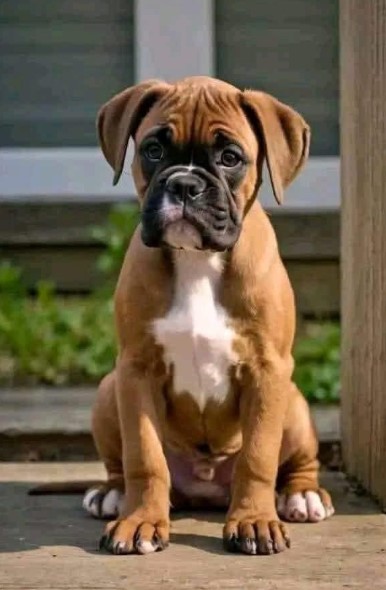
Most Boxerdoodles fall in the medium-to-large category when a Standard Poodle is used. The body is usually athletic and well-muscled, reflecting the Boxer’s sturdy build. The head may show the Boxer’s broader muzzle or a more refined Poodle-like look. Ears are often medium to long and can be floppy.
The coat is highly variable. It may be short and smooth like a Boxer’s, wavy, or tightly curly like a Poodle’s. Colors commonly include fawn, brindle, black, brown, red, cream, white, and various combinations, sometimes with a black mask or white markings on the chest, face, or paws. Curly-coated individuals tend to shed less; straighter coats may shed more moderately.
Temperament and Personality
Boxerdoodles are generally described as friendly, playful, loyal, energetic, and affectionate with their families. They often inherit the Boxer’s clownish, people-oriented nature and the Poodle’s intelligence and eagerness to engage. Many are patient and good with children when properly socialized, though larger, more boisterous individuals do better with older kids who can handle energetic play.
These dogs typically form strong bonds with their people and prefer to be involved in family activities. They can be protective and make alert watchdogs without usually being overly aggressive. Some may be initially reserved with strangers. Early socialization helps ensure confident, well-mannered adults.
High energy and intelligence mean they need both physical exercise and mental stimulation. Without adequate outlets they can become bored, leading to jumping, mouthiness, or destructive behaviors—especially as adolescents. They generally do not like being left alone for long periods and may develop separation anxiety if not gradually accustomed to alone time.
Exercise and Mental Stimulation Needs
Boxerdoodles are high-energy dogs that typically require 60–90 minutes (or more) of daily activity. This can include brisk walks, jogging (once mature), fetch, swimming, hiking, and interactive play. Mental work is equally important: training sessions, puzzle toys, scent games, and dog sports such as agility or obedience help keep them content.
A tired Boxerdoodle is usually a well-behaved Boxerdoodle. Under-exercised dogs are more likely to develop unwanted habits. Secure fencing is recommended because their athletic build and curiosity can lead to climbing or jumping if they become bored.
Training a Boxerdoodle
Intelligence from the Poodle side generally makes Boxerdoodles trainable and quick learners. The Boxer influence can add a streak of independence or stubbornness, so consistency and positive reinforcement work best. Short, engaging sessions with high-value rewards (food, toys, praise) produce better results than long, repetitive drills or harsh corrections.
Early socialization and puppy classes are highly recommended. Teaching basic manners, impulse control, and calm greetings helps manage the natural exuberance many display as puppies and young adults. These dogs often excel at learning tricks and participating in activities that challenge both body and mind.
Grooming Requirements
Grooming needs depend heavily on coat type:
- Curly or wavy (Poodle-dominant) coats: brush several times a week to prevent mats; professional grooming every 6–8 weeks is common.
- Straighter or shorter coats: less intensive brushing but still regular maintenance to control shedding and keep the skin healthy.
All Boxerdoodles benefit from routine ear cleaning (especially if ears are floppy and hair-filled), dental care, and nail trims. Bathing is needed as the coat becomes dirty, typically every few weeks to a couple of months depending on lifestyle. The lower-shedding curly coats appeal to many allergy sufferers, though no dog is completely hypoallergenic.
Health Considerations
As a hybrid, the Boxerdoodle may show some hybrid vigor, but it can inherit conditions common to Boxers and Poodles. Potential concerns include:
- Hip dysplasia
- Bloat (gastric dilatation-volvulus), especially in deeper-chested individuals
- Heart conditions (Boxers are predisposed to cardiomyopathy)
- Eye issues such as progressive retinal atrophy or entropion
- Allergies and skin problems
- Ear infections
- Epilepsy
- Certain cancers more frequently seen in Boxers
Responsible breeders health-test parent dogs (hips, heart, eyes, and relevant genetic screens) and provide documentation. Maintaining a healthy weight, feeding appropriate meals (often split to reduce bloat risk), regular veterinary care, and prompt attention to any signs of lameness, breathing changes, or skin issues support better long-term health. Lifespan is typically 10–14 years, with many falling in the 10–12-year range.
Suitability for Different Households
Boxerdoodles suit active individuals, couples, and families who can provide substantial daily exercise, training, and companionship. They often do well with older children and can coexist with other pets when socialized properly. Their size and energy make them less ideal for sedentary households, very small living spaces without adequate exercise plans, or owners who are away long hours every day.
Prospective owners should be prepared for the time and cost of grooming (especially with curly coats) and for the commitment required to channel high energy productively.
Finding a Boxerdoodle
Choose breeders who perform health testing on both Boxer and Poodle parents, raise puppies with early socialization, and prioritize temperament and health over appearance alone. Prices vary by location, size, and breeder reputation. Adoption through rescues or shelters is another option; Boxer and Poodle mixes appear with some frequency.
Avoid sources that cannot provide health clearances, that offer multiple litters continuously, or that prioritize extreme size or rare colors without regard for health.
Frequently Asked Questions
How big does a Boxerdoodle get?
Size varies widely: roughly 10–25 inches tall and 12–70 pounds depending on whether a Toy, Miniature, or Standard Poodle was used. Standard crosses are most common and tend to be medium to large.
Do Boxerdoodles shed?
It depends on the coat. Curly, Poodle-like coats typically shed less; straighter coats may shed moderately. Regular brushing helps control loose hair.
Are Boxerdoodles hypoallergenic?
Curly-coated individuals are often better tolerated by people with mild allergies, but no dog is 100% hypoallergenic.
How much exercise do they need?
Most require 60–90 minutes or more of daily physical activity plus mental stimulation.
Are Boxerdoodles good with children?
Many are patient and playful with children when socialized, though larger, more energetic dogs do better with older kids and supervision.
How often do they need professional grooming?
Curly coats often need professional grooming every 6–8 weeks; less curly coats may need less frequent professional care but still regular home brushing.
Do Boxerdoodles bark a lot?
They can be alert barkers. Training and sufficient exercise help manage excessive vocalization.
What health problems should I watch for?
Hip dysplasia, bloat, heart conditions, eye issues, allergies, and ear infections are among the more commonly noted concerns.
How long do Boxerdoodles live?
Typically 10–14 years, with many living 10–12 years with good care.
Are they easy to train?
Generally yes, thanks to Poodle intelligence. Positive, consistent methods work best; some independence from the Boxer side may appear.
Can Boxerdoodles live in apartments?
Possible if they receive enough exercise and mental stimulation, but they are usually happier with more space and an active lifestyle.
Do they get along with other pets?
Often yes when raised together or carefully introduced. Supervision and training help.
Conclusion
The Boxerdoodle brings together the playful loyalty of the Boxer and the intelligence and often lower-shedding coat of the Poodle. When well-bred and properly raised, these dogs can be affectionate, energetic, and highly engaging family companions. Their wide size range and variable coats mean each individual is unique, so meeting the parents and understanding the specific breeding is helpful when selecting a puppy.
Success with a Boxerdoodle depends on matching the dog’s high energy and social needs with an active, committed household. Daily exercise, consistent positive training, regular grooming, and early socialization are essential. Health screening of parent dogs and ongoing veterinary care further improve the odds of a long, healthy life.
For owners who enjoy an athletic, people-focused dog and are prepared for the time investment in training and coat care, the Boxerdoodle can be a rewarding and lively addition to the family. Choosing a responsible source and committing to meeting the breed mix’s needs sets the foundation for years of companionship with this bouncy, brainy hybrid. When the match is right, the Boxerdoodle often becomes a devoted and entertaining partner for the active home.