The Most Expensive Cat Breeds in the World: A Complete Guide to Luxury Felines
Cats have been companions to humans for thousands of years, yet some purebred and hybrid cats command prices that rival luxury cars or even small homes. While the average pet cat from a shelter costs little more than an adoption fee, certain breeds and early-generation hybrids regularly sell for thousands—and in rare cases tens of thousands—of dollars.
This comprehensive guide explores the most expensive cat breeds, the reasons behind their high price tags, what owners can realistically expect in terms of temperament and care, and important ethical and practical considerations. Prices fluctuate by location, breeder reputation, generation (for hybrids), coat quality, and demand, so the ranges given reflect typical market figures reported in recent years.
Why Are Some Cat Breeds So Expensive?
Several overlapping factors drive the cost of high-end cats:
- Rarity and limited supply — Breeds with small global populations or restricted breeding programs produce fewer kittens.
- Hybrid breeding challenges — Crossing domestic cats with wild species (serval, Asian leopard cat, jungle cat) is difficult. Litters are often small, fertility can be low (especially in males of early generations), and specialized facilities and permits are required.
- Health testing and responsible breeding costs — Reputable breeders invest heavily in genetic testing, cardiac ultrasounds, hip evaluations, and other screenings. These expenses are passed on to buyers.
- Demand for exotic appearance — Spotted “wild” coats, unusual eye colors, hairlessness, or extreme size create strong collector and status demand.
- Importation and regulation — Some breeds or early hybrids face legal restrictions, quarantine requirements, or high transport costs.
- Branding and exclusivity — Certain names are marketed as ultra-luxury products with limited annual production.
It is important to distinguish between recognized breeds registered with major associations (TICA, CFA, FIFe, GCCF) and branded or experimental hybrids whose status and genetics may be more controversial.
1. Ashera Cat
Often listed at the very top of “most expensive” rankings, the Ashera has been marketed with prices reportedly ranging from roughly $20,000 to $125,000 or more. Promoters have described it as a hybrid involving African serval, Asian leopard cat, and domestic cat ancestry, producing a large, spotted, leopard-like cat.
However, the Ashera’s status is highly controversial. Many experts and observers consider it largely a branded or re-marketed version of Savannah-type cats rather than a distinct, independently verified breed with transparent genetics. Production has been extremely limited, and independent DNA scrutiny has raised questions about the claims surrounding its origin. Prospective buyers should approach any Ashera offering with significant caution and demand full documentation.
2. Savannah Cat
The Savannah is widely regarded as one of the most expensive recognized hybrid breeds. Created by crossing a domestic cat with an African serval, Savannahs are tall, long-legged, spotted cats with a striking wild appearance and often dog-like loyalty and energy.
Price depends heavily on generation:
- F1 (50% serval parent): commonly $10,000–$25,000+ (sometimes higher)
- F2: often $6,000–$12,000
- F3–F4 and later: typically $1,500–$5,000
Early generations are larger, more “wild” in appearance and behavior, and more challenging to breed due to fertility and pregnancy issues. Savannahs require substantial space, high levels of enrichment, and experienced owners. Legal restrictions on early-generation hybrids exist in some jurisdictions.
3. Khao Manee
Also known as the “Diamond Eye” cat, the Khao Manee is an ancient natural breed from Thailand prized for its pure white coat and striking eyes (often odd-eyed—one blue and one gold or green). Historically associated with Thai royalty, the breed remains relatively rare outside its homeland.
High-quality kittens from established lines frequently sell in the $5,000–$11,000 range. Their rarity, historical prestige, and distinctive appearance drive demand among collectors and enthusiasts seeking something uncommon yet fully domestic.
4. Bengal
Bengals descend from crosses between domestic cats and the Asian leopard cat. Modern Bengals are many generations removed from the wild ancestor and are a fully established, popular breed. Still, top show-quality or particularly striking rosetted/marble-coated kittens from champion lines can command $2,000–$5,000 or more; exceptional or early-lineage cats have been listed higher.
Bengals are energetic, intelligent, and athletic. They need significant play, climbing opportunities, and mental stimulation. Their glittering “glitter” coat gene and wild-looking patterns keep demand (and prices for the best examples) elevated.
5. Chausie
The Chausie is a hybrid originating from the jungle cat (Felis chaus) crossed with domestic cats. Tall, lean, and athletic, Chausies are less common than Bengals or Savannahs. Prices for well-bred examples often fall in the several-thousand-dollar range and can reach higher for early or particularly typey individuals. Like other hybrids, they require experienced homes that can meet their activity needs.
6. Sphynx and Peterbald
Hairless and semi-hairless breeds such as the Sphynx and the Russian Peterbald regularly appear on expensive-cat lists. Quality kittens commonly range from $1,500–$5,000+, with rarer colors or top bloodlines higher.
Their high price reflects intensive breeding programs, health screening (these breeds can carry genetic issues), and strong demand for their unique appearance and affectionate, people-oriented personalities. Owners must commit to regular bathing, skin care, ear cleaning, and protection from temperature extremes.
7. Other Notable High-Value Breeds
Several established purebreds also reach elevated prices when quality is exceptional:
- Persian and Exotic Shorthair — Extreme facial type and coat quality can push top kittens into the multi-thousand-dollar range.
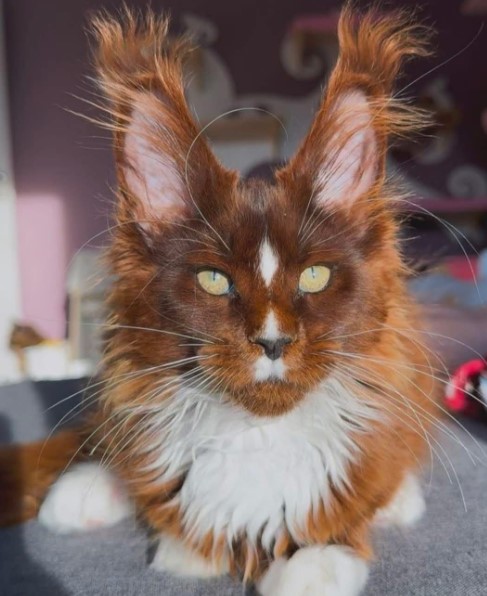
- Maine Coon — Very large size and particular colors or lines increase cost.
- Ragdoll, Siberian, British Shorthair, Scottish Fold — Popular breeds where show-quality or rare-color kittens from health-tested parents command premiums.
In all cases, “pet-quality” kittens from the same breed are usually significantly less expensive than breeding or show prospects.
Beyond the Purchase Price: True Cost of Ownership
The kitten’s price is only the beginning. Expensive breeds often bring higher ongoing costs:
- Specialized diets
- Frequent professional grooming (especially longhairs and some hybrids)
- Enrichment equipment (tall cat trees, puzzle feeders, secure outdoor enclosures)
- Potential higher veterinary bills related to breed predispositions
- Insurance premiums
- For hybrids: possible legal compliance, specialized housing, or behavioral training
Owners of early-generation Savannahs or similar hybrids must be prepared for cats that are more active, more “busy,” and sometimes more destructive than typical domestic cats if under-stimulated.
Ethical and Practical Considerations
High prices do not automatically equal better welfare. Responsible buyers should:
- Prioritize breeders who perform comprehensive health testing and provide written guarantees
- Visit the cattery or request extensive video documentation
- Understand local laws regarding hybrid cats
- Seriously consider whether their home can meet the enrichment and space needs of an active hybrid
- Explore adoption—many purebred and mixed-breed cats, including occasional purebreds, wait in shelters and breed rescues
Supporting ethical breeding helps reduce the market for poorly bred, unhealthy, or illegally obtained animals.
Frequently Asked Questions
What is the single most expensive cat breed?
The Ashera is frequently cited with the highest reported figures (up to $125,000), though its distinctiveness and genetics are debated. Among clearly recognized breeds, early-generation Savannahs command the highest regular prices.
Why do Savannah cats cost so much?
Breeding difficulty, small litters, the expense of maintaining servals, low fertility in early-generation males, specialized care, and strong demand for their exotic look all contribute.
Are expensive cats healthier?
Not necessarily. Price often reflects rarity, appearance, or branding more than health. The healthiest kittens come from breeders who invest in testing regardless of the final sale price.
Is it legal to own a Savannah or other hybrid?
Laws vary widely by country, state, and sometimes municipality. Early-generation hybrids face more restrictions than later generations or fully domestic breeds. Always check local regulations.
Do expensive cats make better pets?
Temperament and suitability depend on the individual cat, its upbringing, and the match with the owner’s lifestyle—not the price tag. Many wonderful companions cost little or nothing through adoption.
How can I avoid scams when buying an expensive kitten?
Deal only with established, transparent breeders; never pay large sums via irreversible methods without contracts and verifiable health records; be extremely wary of deals that seem too good to be true or sellers who refuse video calls or visits.
Are there cheaper alternatives that look similar?
Later-generation Savannahs, domestic Bengals, and even some mixed-breed cats with spotted coats can offer a similar aesthetic at a fraction of the cost of an F1 hybrid.
Should I buy an expensive breed as a status symbol?
Cats are living beings with complex needs, not accessories. Purchasing any animal primarily for prestige often leads to poor welfare outcomes when the novelty fades or the care requirements become clear.
Conclusion
The world of expensive cat breeds is driven by a combination of genuine rarity, challenging hybrid genetics, intensive breeding costs, and human desire for the exotic and exclusive. From the controversial Ashera and towering early-generation Savannahs to the royal white Khao Manee and glittering Bengals, these cats represent the upper end of the feline market.
Yet the highest price does not guarantee the best companion. What matters most is matching a cat’s real needs—space, activity, grooming, veterinary care, and social interaction—with an owner prepared to meet them for the animal’s entire life. Many people discover that the most rewarding cats are not those with the largest price tags but those whose personalities and care requirements fit their homes.
Whether you ultimately pursue a rare hybrid, a carefully bred purebred, or open your home to a cat from a shelter or rescue, the true value of any feline companion lies in the bond you form and the quality of life you provide. Research thoroughly, prioritize welfare over novelty, and remember that every cat—regardless of pedigree—deserves a lifetime of responsible care.