How Many Breeds of Cats Are There? A Complete Guide to Recognized Cat Breeds Worldwide
One of the most common questions cat lovers ask is: “How many breeds of cats are there?” The answer is not a single fixed number. Unlike dogs, where major kennel clubs often converge on a few hundred recognized breeds, the world of cats is more fragmented. Depending on which registry you consult, the number of officially recognized cat breeds typically falls between roughly 40 and 75. When experimental, provisional, and regionally recognized varieties are included, the total can climb toward 80–100 or more.
This variation exists because different cat associations apply different standards for what constitutes a distinct, registerable breed. In this comprehensive guide, we explore the major registries and their current counts, explain why the numbers differ, clarify the difference between purebred, pedigreed, landrace, and mixed-breed cats, examine how new breeds gain recognition, and place purebred cats in the broader context of the global feline population. We also address practical implications for owners and answer frequently asked questions.
Why There Is No Single Answer
Cat registries are independent organizations. Each maintains its own breed standards, acceptance criteria, and lists of championship-eligible breeds. Key factors that influence recognition include:
- Documented multi-generation pedigrees
- Consistency of physical type and temperament across litters
- Sufficient breeding population and geographic distribution
- Health and genetic considerations
- Historical or regional significance
- Philosophical differences (some registries are more conservative; others more inclusive of newer or hybrid-influenced breeds)
As a result, a breed fully recognized for championship competition in one organization may be provisional, experimental, or unrecognized in another.
Major Cat Registries and Their Breed Counts
Here is an overview of the most influential organizations based on recent data (2025–2026):
The International Cat Association (TICA)
TICA is widely regarded as the most inclusive major registry. It currently recognizes approximately 73 distinct breeds. TICA accepts a broader range of newer breeds, longhair/shorthair varieties treated separately in some cases, and breeds still advancing through experimental or advanced new-breed stages. It is also notable for allowing household pets of unknown ancestry to compete for titles alongside pedigreed cats.
Cat Fanciers’ Association (CFA)
One of the oldest and most established registries (founded 1906), the CFA takes a more conservative approach. It recognizes around 45 pedigreed breeds, with the majority eligible for championship competition and a small number in provisional or miscellaneous classes (examples in recent years have included breeds such as the Lykoi, Khao Manee, and Toybob working toward full status). CFA emphasizes long-term genetic stability and documented type.
Fédération Internationale Féline (FIFe)
This major European-based organization recognizes approximately 48 breeds. FIFe places strong emphasis on natural movement, vitality, and standards agreed upon by its member national federations. Some varieties that other registries treat as separate may be grouped differently here.
Governing Council of the Cat Fancy (GCCF)
The primary registry in the United Kingdom recognizes roughly 40 breeds (exact counts fluctuate slightly with sections and varieties). The GCCF is selective and has declined to recognize certain breeds linked to significant health or welfare concerns. It maintains strict rules around registration and showing.
Other Notable Registries
- World Cat Federation (WCF): Often lists a higher number (sources have cited figures in the 60s to higher ranges depending on how varieties are counted).
- New Zealand Cat Fancy and various national bodies: Typically fall in the 40–55 range.
- Regional and smaller associations add further variation.
Across the major World Cat Congress member organizations, the practical working range most commonly cited is 40 to 75 recognized breeds.
Purebred, Pedigreed, Landrace, and Mixed-Breed Cats
Understanding terminology is essential:
- Purebred / Pedigreed: A cat whose ancestry is recorded in a registry and typically traces back through multiple generations of the same breed (or approved outcrosses according to that registry’s rules). Only a small minority of cats fall into this category.
- Landrace: A population shaped more by geography, environment, and traditional human selection than by formal closed studbooks and written breed standards. Examples include certain regional populations that later became formalized breeds (such as early Maine Coons or Siberians).
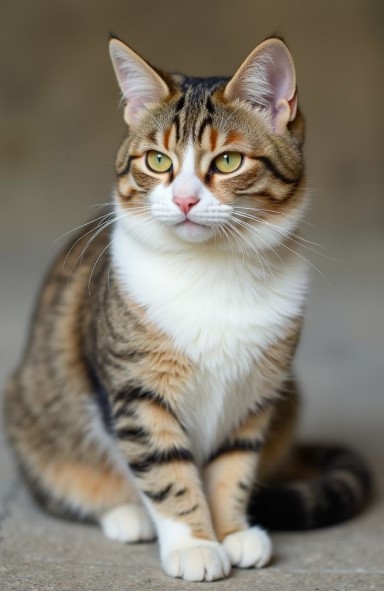
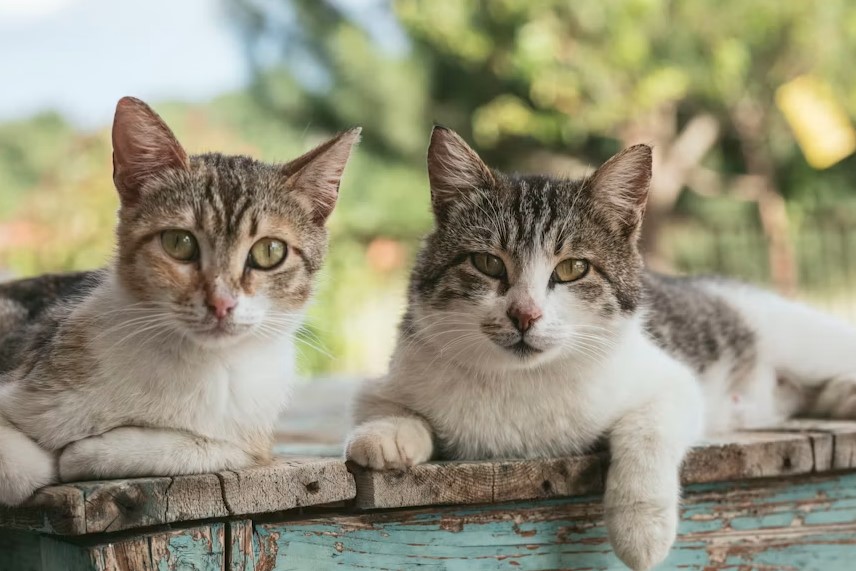
- Mixed-breed / Domestic Shorthair or Longhair / Moggy: The vast majority of cats. These animals have no formal pedigree and often display wonderful variety in appearance and personality.
Reliable estimates indicate that over 95% of household cats worldwide are mixed-breed or of unknown ancestry. Purebred cats represent only a small fraction of the total feline population.
This reality is important. While breed standards help preserve distinctive traits and guide responsible breeding, the average cat in a home or shelter is not a registered purebred—and that does not diminish its value as a companion.
A Brief History of Cat Breeds
Selective breeding of cats for specific appearance and temperament is relatively recent compared with dogs. Many foundation breeds (Siamese, Persian, British Shorthair, etc.) have longer histories, but a large proportion of today’s recognized breeds were developed or formalized within the last 100–150 years. Mutations (rex coats, hairlessness, curled ears, short legs, bobbed tails) and intentional crosses have driven much of the modern diversity. Hybrid breeds involving wild species (such as Savannahs or Bengals in their early generations) add another layer of complexity and, in some jurisdictions, legal or welfare considerations.
New breeds continue to emerge. The pathway usually involves experimental or provisional status, accumulation of registered cats and breeders, demonstration of consistent type, and eventual advancement to full championship recognition—if the registry’s criteria are met.
Popular vs. Rare Breeds
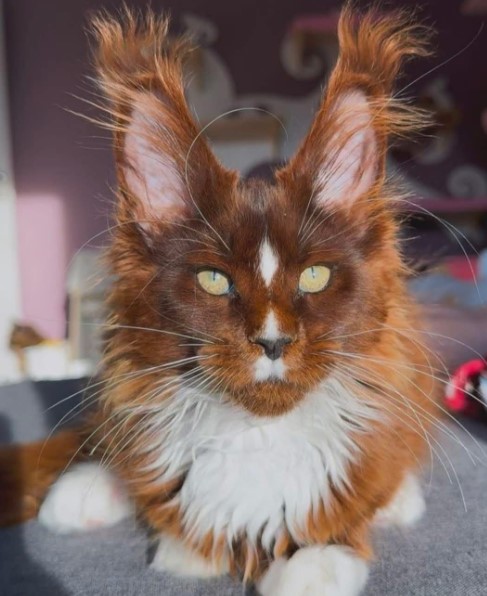
Registration statistics consistently show a handful of breeds dominating purebred registrations. Maine Coons, Ragdolls, Persians, British Shorthairs, and similar popular breeds account for a large share of recorded litters in many countries. At the other end of the spectrum, breeds such as the American Wirehair, Sokoke, certain rare color variants, or newly developing breeds may have only a handful of active breeders and very low annual registrations.
Rarity often correlates with higher purchase prices, longer waiting lists, and sometimes smaller gene pools that require careful management to maintain health.
How New Breeds Gain Recognition
The process is rigorous and multi-year in most registries. Typical steps include:
- Establishing a breeding program with documented cats.
- Registering cats in an experimental or new-breed class.
- Demonstrating that offspring consistently express the desired traits.
- Building a sufficient population across multiple catteries.
- Submitting detailed standards and advancing through provisional stages.
- Achieving full championship status once criteria for numbers, consistency, and (increasingly) health considerations are satisfied.
Some proposed breeds never advance due to insufficient interest, health concerns, or failure to meet population thresholds.
Why Breed Knowledge Matters (and When It Doesn’t)
Knowing a cat’s breed can offer useful insights into likely size, coat care needs, activity level, and predispositions to certain health conditions. It helps owners prepare appropriate environments and choose veterinarians familiar with breed-specific issues.
However, individual variation is enormous. Two cats of the same breed can differ significantly in personality, and mixed-breed cats frequently display traits associated with multiple ancestral influences. DNA testing can provide ancestry estimates for mixed cats, but it is not a substitute for observing the individual animal.
Responsible ownership focuses first on the needs of the specific cat in front of you—nutrition, enrichment, veterinary care, and a safe environment—regardless of pedigree status.
Frequently Asked Questions
How many cat breeds are there exactly?
There is no single exact number. Major registries recognize between approximately 40 and 73 breeds. Including experimental and provisional varieties pushes the broader total higher.
Which registry recognizes the most breeds?
TICA currently recognizes the highest number among the major registries (around 73).
Why does CFA recognize fewer breeds than TICA?
CFA applies stricter, more conservative criteria focused on long-term stability and established populations. TICA is more open to newer and developing breeds.
Are most cats purebred?
No. Over 95% of household cats worldwide are mixed-breed or of unknown ancestry.
Can new cat breeds still be created?
Yes. New breeds continue to be developed through mutations, selective breeding, and, in some cases, hybridization. Advancement to full recognition takes years and is not guaranteed.
Do all registries agree on the same breeds?
No. Overlap is substantial for classic breeds, but differences exist in newer, rarer, or hybrid-influenced breeds, as well as in how longhair and shorthair varieties are counted.
Is a “breed” the same as a coat color or pattern?
No. Color and pattern (for example, pointed, tabby, solid) are traits that can appear across multiple breeds. A breed is defined by a combination of structure, coat type, temperament tendencies, and pedigree requirements.
Should I only get a purebred cat?
Not necessarily. Mixed-breed cats make wonderful companions and are widely available through shelters and rescues. Choose based on the individual cat’s personality and your ability to meet its needs.
Do rare breeds cost more?
Often yes, due to limited availability, specialized breeding effort, and demand. However, cost should never override welfare considerations.
How can I verify a cat is a recognized purebred?
Ask for registration papers from a reputable registry, review the pedigree, visit the breeder if possible, and confirm health testing relevant to the breed.
Are some breeds banned or restricted?
Certain breeds or traits face restrictions or non-recognition in some registries or jurisdictions due to welfare concerns (for example, extreme conformations linked to health problems). Hybrid cats may also face legal limits in some areas.
Does breed guarantee personality?
No. Breed can suggest tendencies, but environment, early socialization, and individual genetics play large roles. Every cat is an individual.
Conclusion
So, how many breeds of cats are there? The most accurate answer is that major international registries currently recognize somewhere between about 40 and 75 distinct breeds, with TICA at the higher end and more conservative bodies such as the CFA and GCCF at the lower end. When provisional, experimental, and regionally acknowledged varieties are counted, the broader landscape of named cat types expands further.
What remains constant is that purebred cats represent only a small slice of the global feline population. The overwhelming majority of cats sharing our homes are mixed-breed animals of delightful and unpredictable variety. Breed standards and registries serve important roles in preserving distinctive traits, guiding ethical breeding, and supporting exhibition, but they do not define the worth of any individual cat.
Whether you are drawn to a classic Persian, an energetic Bengal, a rare Lykoi, or a one-of-a-kind shelter cat with no papers at all, the foundation of a successful relationship is the same: understanding the animal’s needs, providing excellent care, and offering a lifetime of responsible companionship. Numbers and labels are interesting, but the real story of cats has always been written in the quiet moments of connection between humans and the remarkable felines who choose to share their lives with us.
By approaching breed information with curiosity and perspective, cat lovers can better appreciate both the curated diversity of the purebred world and the boundless individuality found in the far larger population of mixed-breed companions. In the end, every cat—registered or not—deserves a home that values it for exactly who it is.